Who these croissants suit

Campers wanting breakfast without cooking

Choose a croissant that can be eaten on arrival or with minimal warming rather than a frozen product that needs baking. Waitrose states that its four-pack can be served hot or cold, while frozen products need frozen storage and cooking.

Families and groups sharing breakfast

Compare the number of croissants in the pack with the number of people eating. Tesco lists both four-pack and eight-pack all-butter options, so pack count can be more useful than how substantial a croissant looks.

Campers managing allergies or limited storage

Use the exact pack label to check allergens and storage instructions for the trip. Waitrose, M&S and Lidl listings identify wheat, milk and egg in their reviewed croissant products, with some precautionary allergen statements as well.

What to check before packing

Ready-to-eat multipack

Choose it when: several campers will eat soon after arrival and you do not want to rely on an oven or freezer.

Consider: the pack date and storage instructions still need to fit the timing of the trip.

Smaller ready-to-eat pack

Choose it when: clear ingredient, allergen and storage information matters more than feeding a larger group.

Consider: a smaller pack is not evidence of a thinner or thicker croissant.

Frozen bake-at-home croissants

Choose it when: your campsite setup can maintain frozen storage and you have suitable cooking equipment.

Consider: freezer transport and baking are essential conditions, not optional extras.

Priority What to check Your needs
Pack format Check pack count, net weight where published, and whether the croissants are ready to eat or require baking. Do not use product names or photographs as a thickness measure. I need enough croissants for one person or a group, without relying on an undefined “thick-cut” description.
Storage and cooking Follow the label’s storage instructions and best-before date. Frozen products require their stated frozen temperature and a suitable cooking method. I want breakfast that matches the trip length, weather and equipment available at the campsite.
Allergens Read the physical pack for ingredients, highlighted allergens and any precautionary statement. Check the label again when buying, as recipes can change. I need the exact product’s allergen information before packing food for the trip.

Camping croissant pitfalls

  • Assuming “thick-cut” proves size or quality

    Retailer listings do not use a common thickness measure for croissants, so appearance and marketing wording cannot establish how large, substantial or durable one will be.

    Compare stated pack count, net weight where available and serving instructions, then inspect the actual pack if thickness matters to you.

  • Treating a cool box as frozen storage

    Frozen croissants need their specified frozen storage. The Food Standards Agency says that a cool box is unlikely to keep food chilled for an extended period, so it is not a substitute for freezer storage.

    Take bake-at-home croissants only when you can keep them at the required temperature and cook them as directed. Otherwise, choose a ready-to-eat pack that suits the trip duration.

  • Relying only on an online ingredient list

    Croissants commonly contain wheat, milk and egg, and some packs include may-contain statements. Retailer product information can change between updates.

    Check the purchased pack’s ingredients, highlighted allergens, precautionary statement and date code immediately before packing.

Relevant brand references

Tesco Finest

Tesco’s premium own-label option sits within a wider croissant range that includes standard four-pack and eight-pack products.

  • Useful for comparing different pack counts within the same retailer.
  • The listing does not provide a thickness measurement.

Waitrose

Waitrose offers butter croissants in a four-pack with online ingredient, nutrition, storage and warming information.

  • The product is stated to be suitable for serving hot or cold and for freezing.
  • Waitrose advises that recipes and allergen information can change, so check the pack label.

M&S

M&S sells all-butter croissants in a 160 g pack, described by the retailer as best enjoyed warm.

  • The product page includes storage and freezing information.
  • The page does not establish a thick-cut comparison.

Sainsbury's

Sainsbury's offers standard all-butter croissants as well as a frozen all-butter six-pack format.

  • The frozen format provides a bake-at-home option.
  • It only suits trips with frozen storage and cooking facilities.

Lidl

Lidl has an in-store all-butter croissant option with store-dependent availability.

  • The product information lists allergens and an article number for an in-store check.
  • It is not vegan and includes a broad may-contain statement.

Joybuy frozen croissant options

These Joybuy options are frozen bake-at-home croissants for camping trips with freezer-capable storage and suitable cooking facilities.
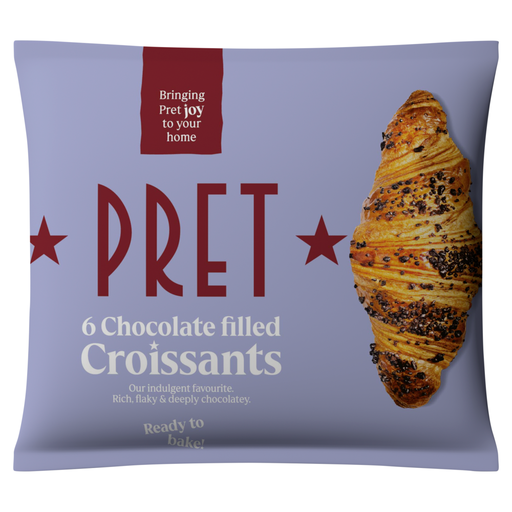
Pret A Manger 6 Chocolate Filled Croissants 420G

Pret A Manger 6 Chocolate Filled Croissants 420G

A six-croissant frozen option for a group breakfast where freezer storage and an oven are available.

Store at -18°C or cooler and bake at 190°C, or Fan 170°C, for 22 minutes. Contains wheat, gluten, milk, egg and soya; it is not suitable for nut and sesame allergy sufferers. Check the pack if croissant thickness is important.

Joybuy

Pret A Manger Butter Croissants 330g

Pret A Manger Butter Croissants 330g

A frozen bake-from-frozen choice for campers with dependable freezer storage and cooking equipment.

Keep frozen at -18°C or cooler; once thawed, do not refreeze. Bake from frozen for 20 minutes and serve piping hot. Contains wheat, gluten, milk and egg, and may contain nuts, sesame and soya.

Joybuy
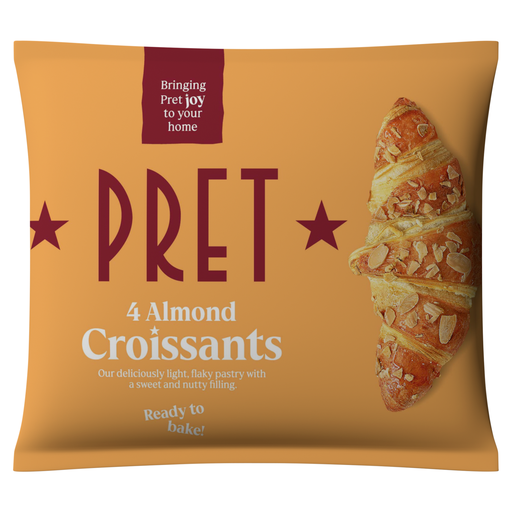
Pret A Manger Almond Croissants 280g

Pret A Manger Almond Croissants 280g

An almond-filled frozen option for a campsite setup that can keep food frozen and cook it safely.

Store at -18°C or cooler and do not refreeze after thawing. Contains wheat, gluten, milk, egg and almonds; may contain other nuts, sesame and soya. Check the pack for baking instructions, pack count and thickness if those details matter.

Joybuy

Frequently asked questions

Does “thick-cut” mean anything specific for croissants?

No common thickness or “thick-cut” standard appears in the reviewed UK retailer listings. Use the exact pack’s stated quantity, weight where available, and preparation requirements instead of relying on that wording.

Can I take ready-to-eat croissants camping without a cool box?

Follow the storage instruction and best-before date on the exact pack. The reviewed Waitrose and M&S products state cool, dry storage, while food normally kept refrigerated should also be kept cold outdoors. Keep bakery packs dry and protected from crushing.

Are frozen bake-at-home croissants suitable for camping?

They are suitable only when you can maintain the product’s required frozen temperature and cook it as directed. The checked Pret frozen croissants require storage at -18°C or cooler, and the Food Standards Agency says a cool box is unlikely to keep food chilled for an extended period.

What allergen checks should I make before packing croissants?

Read the label on the exact pack you buy. The reviewed products contain wheat, milk and egg; some also carry precautionary statements for nuts or other allergens. Retailers note that recipes and allergen information can change, so the physical pack is the final check.

When should I discard camping food that has been warm for too long?

This mainly applies to food that normally needs refrigeration, rather than a croissant stored correctly under an ambient pack label. GOV.UK says bacterial risk increases after four hours or more at warm temperatures of 8°C and above; in extremely hot weather, use food left out of the fridge within two hours.