
24/7 Customer Support

Free returns

Same-day & Next-day Delivery

Quality Guaranteed

Unlock Your Welcome Offers: FREE Delivery | Up to 80% OFF | Free 30-day JoyPlus trial
Download the APP
Frozen desserts are convenient for family gatherings, film nights, summer picnics and an occasional treat after dinner. However, choosing between ice cream cones, ice cream sticks, ice lollies, freeze pops and speciality options is not simply a matter of picking the most appealing packaging.
UK shoppers can easily pay more for a smaller portion, overlook important allergen information or choose a product that does not suit their freezer space or intended occasion. This guide explains the practical details to check before buying, followed by recommendations matched to different shopping needs.
A large-looking box may contain only a few individual items, while a smaller-looking multi-pack can offer more portions. Compare both the number of servings and the total volume. For example, a six-pack of 90ml cones provides a different sharing option from four 125ml cones, even if the outer packaging appears similar.
For parties or families, individually wrapped ice cream sticks and lollies can also reduce mess and make portioning easier.
Words such as “tropical”, “creamy” or “plant-based” describe the eating experience or product positioning, but they do not replace the ingredients list. A coconut-flavoured frozen dessert may contain coconut oil or coconut milk, while a dairy-free product may still carry a warning about possible traces of milk.
Always check the UK allergen declaration, especially for milk, wheat, soya, nuts, coconut and eggs. Recipes can change, so the packaging should take priority over an online description.
Frozen treats can lose texture if they partially thaw and are then refrozen. Look for products that are solidly frozen on arrival, transfer them to a freezer promptly and follow the stated storage instruction. Most products in this selection specify -18°C or below.
Do not refreeze a product once it has defrosted. This is particularly important for ice cream cones, where a softened wafer can become less crisp, and for fruit-based ice lollies, where texture may change.
Choose the format that suits how the dessert will be eaten:
The serving size also helps you compare nutrition information fairly. A 45ml tropical ice bar is not directly comparable with a 100ml chocolate-coated stick.
Read the full ingredients panel rather than relying on front-of-pack flavour claims. Common ingredients across ice cream and frozen treats include milk, coconut fat, glucose syrup, stabilisers and emulsifiers.
For example, classic cones may contain wheat, milk and hazelnuts, while some chocolate-coated products may contain soya or warn about other nuts. A product described as plant-based can still contain coconut and may carry a milk trace warning. Keep products separate from other foods if a household member has a serious allergy, and follow current medical advice.
Check whether the product must remain frozen continuously or needs to be frozen before opening. Some freeze pops can be stored in a cool, dry place before freezing, while most ice cream products should go straight into a freezer.
For smoother textures, certain products can stand briefly before eating. Do not leave frozen desserts at room temperature for extended periods, particularly during parties or outdoor events. Use an insulated cool bag for transport and return unused items to the freezer promptly.
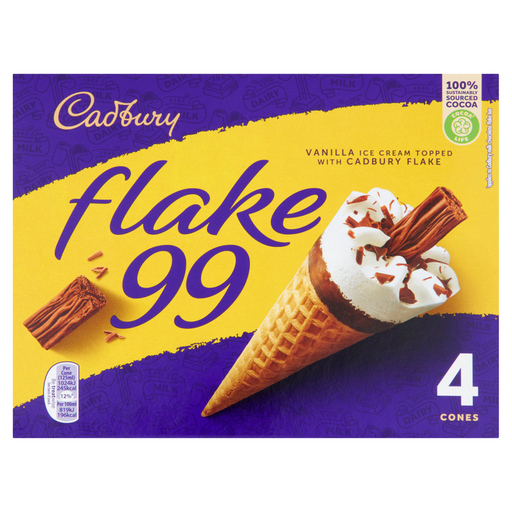
Why This Fits Their Persona: Four 125ml cones provide a straightforward option for small households or a family dessert without buying a large tub.
The listing clearly states the four-cone count, 500ml total volume and storage requirement, making portion comparison easier.
Crispy biscuit cone, milk chocolate Flake bar and chocolate curls. Contains milk, soya and wheat.
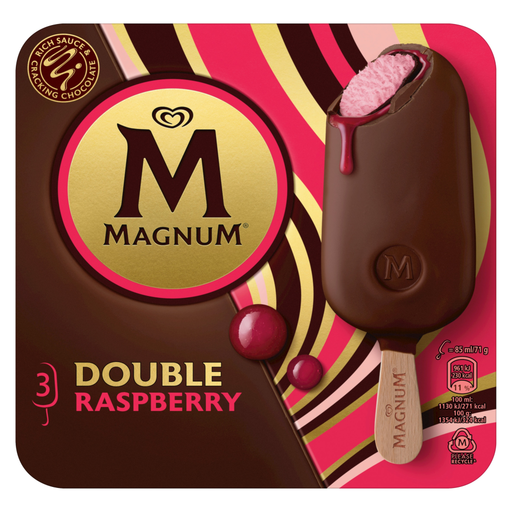
Why This Fits Their Persona: A three-pack of layered chocolate and raspberry sticks suits shoppers looking for an individual dessert with contrasting textures.
The 3 x 85ml format makes the smaller total volume visible, helping prevent comparisons based only on the size of the outer box.
Raspberry ice cream, raspberry-yuzu sauce and chocolate coating. Contains milk and may contain almond or soya.
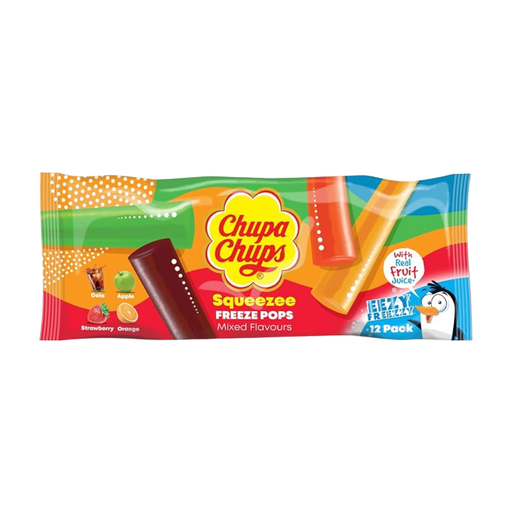
Why This Fits Their Persona: The 12-pack is practical for children’s parties, busy family freezers and warm-weather sharing.
The mixed-flavour format offers variety without buying several separate boxes, while each 45ml tube is individually portioned.
Mixed strawberry, apple, cola and orange flavours; the listing states no dairy, gluten or peanuts.
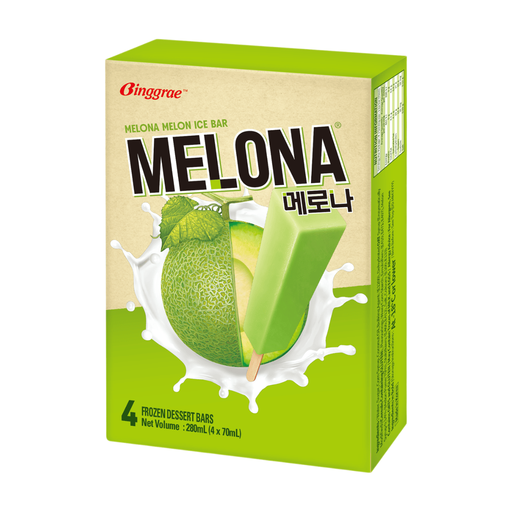
Why This Fits Their Persona: This Korean ice cream option suits shoppers exploring Asian frozen desserts and smooth melon flavours beyond conventional cones.
The listing identifies the four 70ml bars, South Korean origin and milk and cream allergens, rather than leaving the format unclear.
Smooth melon flavour, handheld format and four individually portioned bars. Contains milk and cream.
For chocolate fans, Magnum Classic 6 x 100ml, Magnum Salted Caramel 3 x 100ml and Oreo Ice Cream Sticks 4 x 90ml offer familiar coated formats. Families seeking classic cones can compare Cornetto Classico, mint or pistachio varieties.
For fruit-led refreshment, consider PopsMalaya Passion Fruit Pineapple Ice Bars, Wall’s Calippo Mini Cola or WANT WANT Shui Bing Bing freeze pops. Fans of Korean and tropical flavours can explore Melona mango, banana, coconut or purple yam. Those seeking a plant-based option may wish to review XO ICE Musang King Durian Gelato, checking its coconut and possible milk-trace information carefully.
We have compiled a complete, real-time list of products that fully satisfy these strict selection criteria and UK safety regulations.
Keep them out only long enough to serve. If a product has noticeably softened or thawed, follow the packaging guidance and do not refreeze it. During transport, use an insulated bag where possible.
Not necessarily, although water-based lollies often contain less fat than dairy-based ice cream. Compare the nutrition panel per serving, as serving sizes vary considerably between freeze pops, cones and sticks.
Start with the allergen statement rather than the product name. Some freeze pops list no major allergens, while products such as cones and chocolate-coated sticks commonly contain milk, wheat, soya or nuts. Always recheck the packaging before serving.