Choose a premium frozen dessert for care-home dining only when it fits the residents being served, including their assessed nutrition needs, allergies and any prescribed texture requirements. A shareable dessert can suit a planned occasion when portions can be managed, while ice-cream tubs allow portions to be planned individually; neither format is automatically suitable for a resident on a texture-modified diet.
Who is choosing these desserts?
Care-home catering managers planning occasion menus
For teams weighing presentation and menu variety against workable portions, freezer space and residents’ assessed nutrition needs. Public Health England’s residential-care catering toolkit advises screening for malnutrition risk and using an individual action plan.
Teams serving texture-modified diets
For staff who must distinguish an ordinary frozen dessert from one prepared and checked for a resident’s prescribed texture level. NHS England’s dysphagia guide estimates that more than 50% of care-home residents have some degree of dysphagia; that estimate does not determine what any individual resident can eat.
Teams managing individual dietary requirements
For staff checking each delivered dessert against documented allergies, coeliac disease, preferences and other requirements, with product identification maintained through storage and service.
What should a care home check?
Start with the people being served, then compare the dessert’s ingredients, texture and format with the way it will be portioned and served.
| Priority | What to check | Your needs |
|---|
| Individual nutrition |
Compare the current nutrition information and intended portion with the resident’s assessed plan. Check whether the planned dessert fits the wider menu. |
“I need a choice that fits each resident’s current plan, not one dessert assigned to everyone.” Public Health England’s residential-care catering toolkit calls for screening and an individual action plan where malnutrition risk is identified. |
| Prescribed texture |
Confirm the resident’s prescribed IDDSI food level and the home’s method for preparing and checking the dessert. Consider its texture at the point of service, including any pieces or toppings. |
“A dessert that looks soft still needs to meet the texture specified for the person eating it.” NHS Greater Glasgow and Clyde’s IDDSI guidance defines texture-modified food levels 3 to 7; appearance or a product name does not establish a level. |
| Allergens |
Read the current delivered pack or supplier declaration. Check substitutions and use the home’s controls for storage, preparation and service. |
“I need staff to know exactly which product is being served to a resident with a documented allergy.” The Food Standards Agency’s allergen guidance addresses providing allergen information and controlling allergen ingredients. |
| Occasion and choice |
Compare shareable desserts with individually served formats. Check the ingredients and intended portions before choosing a flavour or presentation. |
“For a celebration, I may want a dessert that can be served consistently to everyone for whom it is suitable.” A distinctive presentation does not replace individual dietary checks. |
| Portioning and storage |
Match the pack format to expected servings, freezer capacity and the home’s food-safety procedures. Plan how staff will identify and handle the product during service. |
“A larger dessert only works for our menu if we can portion and handle it as planned.” |
Common selection mistakes
-
Treating “premium” as a suitability check
Premium positioning may describe flavour or presentation, but it says nothing by itself about a resident’s nutrition plan, prescribed texture or allergies.
Compare the current product information with individual requirements before using presentation or flavour to decide between suitable options.
-
Assuming a soft-looking dessert meets a texture prescription
Pastry, toppings and pieces can create mixed textures. A frozen dessert’s texture can also change before it reaches the resident.
Follow the prescribed IDDSI level and the home’s clinical process; use a dessert prepared and checked for that level where required.
-
Relying on an older catalogue description
The dessert delivered, including any substitution, is the product staff must identify and check before service.
Review its current pack or supplier allergen information and retain its identity through storage and serving, in line with the home’s allergen controls.
-
Choosing a large dessert for presentation alone
A shareable tart or gateau needs a portioning and service plan that works for the number of residents who can have it.
Check planned portions, freezer capacity and the home’s food-safety procedures before ordering.
If the dessert cannot be portioned and used as planned, some may go unused.
Brand and retailer range references
Retail ranges can help narrow a format, but a brand or range name does not establish suitability for an individual resident.
M&S Food
M&S Food’s frozen-dessert page describes options including fruit pies and tarts.
- Different formats offer a starting point for planning an occasion menu.
- Check the exact product’s label, portions and texture against the residents being served.
Waitrose No.1
For a Waitrose No.1 dessert under consideration, assess the individual product rather than relying on its range name.
- Compare the product’s format with the planned occasion and serving method.
- Check its current ingredients, allergens and texture before including it on a resident menu.
Tesco
Tesco’s frozen-dessert categories include cheesecakes, pies and tarts, individual desserts, free-from and vegan desserts, and ice-cream desserts.
- The categories let buyers compare individual and shareable formats.
- A category label does not confirm the ingredients or suitability of a particular delivered product.
Häagen-Dazs
Tesco’s frozen-food listing includes Häagen-Dazs Salted Caramel and Strawberry Cheesecake ice-cream tubs, each listed as 460 ml.
- A tub format allows staff to plan individual servings.
- Check each flavour’s current label and the resident’s requirements; the brand and flavour do not establish texture suitability.
Joybuy frozen-dessert options
These Joybuy options are ice creams and individual ice-cream bars for planned dessert servings. Check each delivered product against the residents’ requirements; inclusion here does not establish premium quality or suitability for a prescribed texture.
 No image available
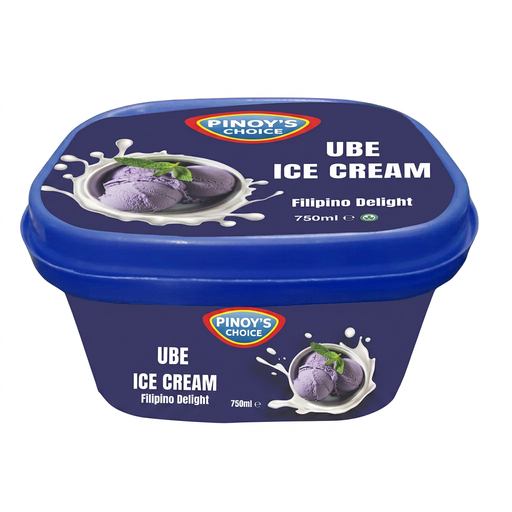
Frozen Pinoy's Choice Ube Flavoured Ice Cream 750 ml
The ube flavour offers a menu option where the product fits the people being served. Plan portions for the 750 ml format, and check the delivered pack’s allergens and any prescribed texture requirements.
View on Joybuy
 No image available
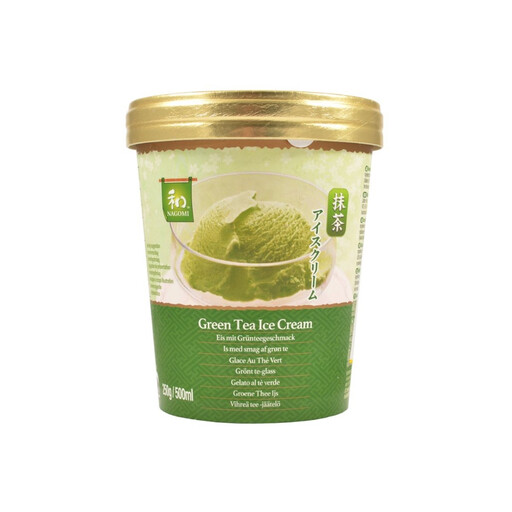
Nagomi Matcha Green Tea Ice Cream 500 ml
Consider the matcha green tea flavour when planning menu choice. For the 500 ml format, decide portions in advance and check the current pack and each resident’s requirements before service.
View on Joybuy
 No image available
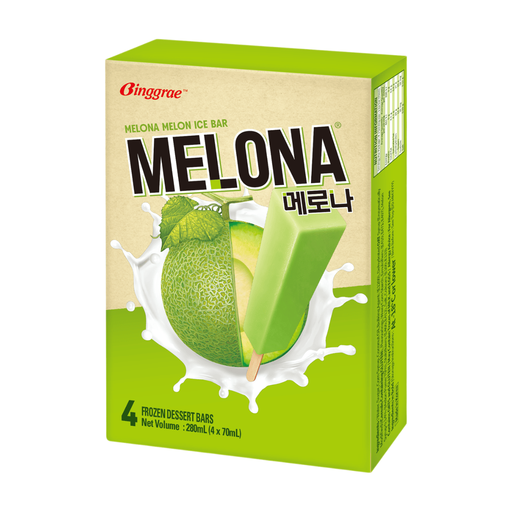
Melona Melon Flavour Ice Cream Bars, 70 ml × 4
The four 70 ml bars provide defined individual units for portion planning. Check the delivered pack’s allergens and the planned serving method against each resident’s requirements.
View on Joybuy
 No image available
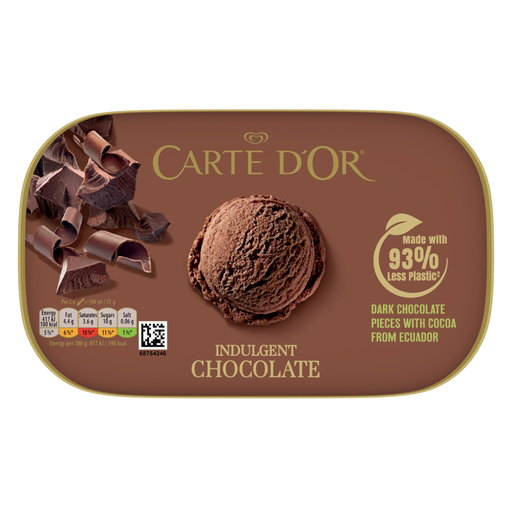
Carte D'Or Indulgent Chocolate Ice Cream Dessert 900 ml
This chocolate-flavoured 900 ml dessert is an option when servings will be planned from a larger format. Check its current ingredients, allergens and texture against the residents being served.
View on Joybuy
 No image available
Mackies Honeycomb Harvest Ice Cream 1 litre
The 1-litre format calls for a portioning plan if it is chosen for group service. Check the current pack for allergens and any pieces or mixed textures before serving a resident with a prescribed texture level.
View on Joybuy
Frequently asked questions
Can the same premium frozen dessert be served to every resident?
Not on the basis of its premium label. Check the dessert against each resident’s assessed nutrition needs, preferences, allergies and any clinical or texture requirements before including it in their menu.
Is ice cream automatically suitable for someone with dysphagia?
No. “Soft” or “scoopable” does not establish a prescribed IDDSI food level. Use the resident’s clinical plan and the home’s trained process to determine what texture and serving method are appropriate; NHS Greater Glasgow and Clyde’s IDDSI guidance defines food levels 3 to 7.
Which allergen information should staff check before service?
Check the current delivered pack or supplier information against the affected resident’s documented requirements, including after a substitution. Keep the product identifiable and apply the home’s cross-contact controls during storage and service, consistent with Food Standards Agency allergen guidance.
Can an occasion dessert take the place of a resident’s nutrition plan?
No. A dessert choice belongs within the resident’s assessed and reviewed plan, rather than replacing it. Public Health England’s residential-care catering toolkit advises screening people at risk of malnutrition and putting an individual action plan and review process in place.


