Who is the shop serving?
The useful pack size depends on whether customers buy a dessert to share, want a single serving or receive food through a care setting.
Retirement-shop buyers balancing choice and stock
A small shop can offer familiar pies, gateaux or ice cream alongside portioned formats. Match pack sizes to likely demand and available frozen storage rather than assuming one format will suit every customer.
One- or two-person households
Mini cups and bars may be easier to serve without opening a larger dessert. A shareable pack can still make sense when it will be used in full and its storage and preparation instructions suit the household.
Care-setting buyers
Where a shop supplies care-home residents, desserts must fit individual assessments and applicable food-handling arrangements. Norfolk and Waveney Integrated Care System’s care-home guidance says residents’ nutritional needs, preferences and clinical requirements should be assessed and reviewed.
What should guide the assortment?
Start with expected demand and serving method, then check storage, preparation and product-specific dietary information before settling on a mix.
| Priority |
What to check |
Your needs |
| Pack size and turnover |
Check pack weight or volume, expected servings and whether demand is likely to use a larger dessert in full. Allow freezer space for the chosen formats. |
I want familiar desserts without filling the freezer with packs that may remain unsold. |
| Serving effort |
Check whether the product is a cup, bar or dessert that needs cutting. Read the individual pack for thawing, heating or other preparation instructions. |
For a quick individual serving, I would rather not scoop from a tub or cut a gateau. |
| Frozen storage |
Check the product’s storage instructions and the freezer’s capacity and temperature controls. The Food Standards Agency’s food-business guidance calls for adequate frozen-storage and temperature-monitoring facilities. |
Our freezer needs to hold the assortment under the conditions shown on each pack. |
| Ingredients and allergens |
Check the current label for the exact product and variant. Where food is opened or portioned, follow appropriate allergen controls to prevent cross-contact, as described in Food Standards Agency guidance. |
If someone asks about an ingredient or allergen, I need information for the product actually being supplied. |
| Care-setting use |
Where desserts are supplied to residents, use their individual assessments and relevant care guidance; do not infer texture or clinical suitability from the dessert’s name. |
In a care home, the resident’s assessed needs must guide selection before a general shop assortment does. |
Which ranges offer useful references?
These ranges illustrate different dessert formats; check the current local assortment and individual packs when deciding what to stock.
Tesco
Tesco’s frozen-dessert listings include pies, gateaux and cheesecakes, alongside ice-cream formats.
- The listed formats provide examples of shareable puddings and tubs to consider where demand is predictable.
- Listings, promotions and availability can change; check the current pack and local assortment.
Waitrose
Waitrose lists frozen desserts across its Essential, standard and No.1 ranges.
- Cheesecake, strudel and tart formats provide distinct serving and preparation options.
- Check the instructions and pack size of each dessert rather than treating products from the same range as interchangeable.
M&S
M&S lists frozen pies, tarts and other puddings, as well as tubs, bars, sorbets and Plant Kitchen ice cream.
- The listed formats give a shop options for sharing and individual serving.
- Check the selected local Foodhall for its current stock, and check individual labels for dietary information.
Häagen-Dazs
The Häagen-Dazs UK range includes tubs and mini-cup multipacks.
- Mini cups offer a format that does not require scooping from a shared tub.
- Häagen-Dazs advises checking the physical packaging for current ingredients, nutrition and allergen information.
Portioned frozen desserts on Joybuy
These two Joybuy options represent the individual-serving side of a retirement-shop assortment. Compare their serving formats and storage instructions with the needs of the customers you expect to serve.
 No image available
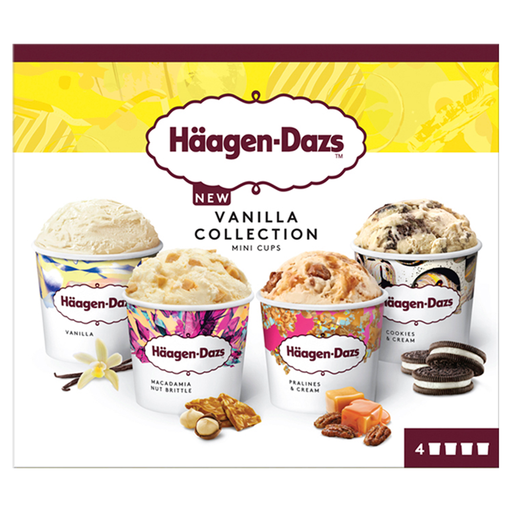
Häagen-Dazs Vanilla Collection Mini Cups, 4 × 95 ml
Four separate cups suit a shop looking for individual servings without scooping from a tub. Store frozen below −18°C and do not refreeze after thawing; check the current pack for the assortment’s ingredients and allergens.
View on Joybuy
 No image available
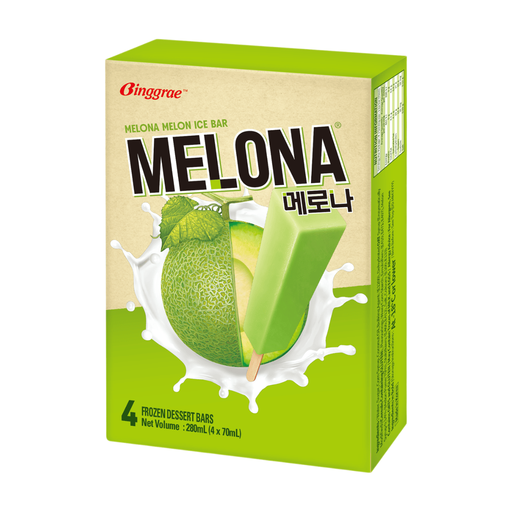
Melona Melon Flavour Ice Bars, 4 × 70 ml
The four-bar format offers individual servings without cutting a larger dessert. Keep frozen at −18°C or below and do not refreeze after defrosting; check the current pack for allergen information.
View on Joybuy
Frequently asked questions
Should a retirement shop stock only large frozen desserts?
No. Larger desserts make sense when demand is predictable and they can be stored and used in full. Individual cups or bars serve a different need when customers want a single portion without cutting or scooping.
When are individual frozen desserts useful?
They are useful when straightforward serving and a defined portion matter to customers or shop staff. Check the number and size of portions in the pack, along with its frozen-storage instructions.
Is sorbet or plant-based ice cream suitable for every restricted diet?
No. Check the ingredients and allergen declaration on the exact current pack. A category name or dietary filter does not establish suitability for an individual requirement.
What changes when the shop supplies care-home residents?
Dessert selection must follow residents’ assessed needs and relevant care guidance, not a general retail assortment. Norfolk and Waveney Integrated Care System’s care-home guidance calls for nutritional needs, preferences and clinical requirements to be assessed and reviewed.
Does a new food business need to register before selling frozen desserts?
The Food Standards Agency says a new food business, or one taking over an existing business, must register with its local authority at least 28 days before trading or food operations begin. Confirm the applicable process with the local authority before opening.


