Shoppers buying for one
A shopper may want one dessert now, even when the retail pack contains several individual portions. Compare the unit size and pack count, then check the current label for ingredients and allergens.


Choose individually portioned frozen desserts when customers buy for one person or staff need to serve one portion at a time. Check the number of units in each retail pack: a four-cup multipack is not a one-cup sale unit. A sharing dessert calls for a portioning and storage plan, while any choice for a resident with specific dietary needs must follow their individual requirements.
A shopper may want one dessert now, even when the retail pack contains several individual portions. Compare the unit size and pack count, then check the current label for ingredients and allergens.
Individual units can simplify serving, but they do not establish dietary suitability. The British Dietetic Association’s care-home guidance addresses individual nutrition needs, special diets and food allergies.
Operators need frozen-storage and temperature-monitoring arrangements appropriate to their food operation. The Food Standards Agency’s food-business guidance also makes the shop’s operating model and local authority relevant to registration checks.
Decide how each dessert will be sold or served, then check its label and the shop’s storage arrangements.
| Priority | What to check | Your needs |
|---|---|---|
| Portion and pack | Read both the unit quantity and the number of units. Tesco lists frozen desserts in 2 × 85 g and 2 × 80 g packs; Häagen-Dazs describes a pack of four mini cups. Neither format is a one-unit retail pack. | I may want one dessert at a time, or a pack containing separate portions for later occasions. |
| Ingredients and allergens | Check the current physical pack for the exact flavour, including its ingredient list and allergen declaration. Häagen-Dazs advises that online allergy and nutrition information can change. | If a customer has an allergy or other dietary restriction, I need information for the exact product being sold or served, not just its pack format. |
| Individual care needs | Where desserts are served to residents, follow the person’s care plan and any relevant dietary requirements. The British Dietetic Association’s care-home guidance covers nutrition planning and special diets. | A small portion alone cannot tell me whether a dessert suits someone with individual care requirements. |
| Frozen storage | Check the product’s storage instructions and whether the operation has suitable frozen-food facilities and temperature monitoring, as described in Food Standards Agency guidance. | Before stocking a new format, I need to know it can be stored as directed from delivery through sale or service. |
| Shop setup | Confirm with the local authority how food-business registration applies to the shop’s location and activities. GOV.UK provides food-business registration guidance. | If I am opening or running the shop, I need to settle its food-business requirements before trading. |
Tesco’s two-pack desserts and Häagen-Dazs’s four-cup pack contain individually portioned units, but each retail pack contains more than one.
Record the pack count and size of each unit separately. Decide whether customers will buy the whole pack or staff will serve its units individually.
Ingredients and declarations can change; Häagen-Dazs directs buyers to the physical packaging for current allergy and nutrition information.
Check the current pack for the exact flavour before selling or serving it to someone who needs allergen information.
A defined portion size does not resolve an individual dietary or care-plan requirement. The British Dietetic Association’s care-home guidance addresses these needs separately.
In a care setting, use the resident’s relevant care plan and appropriate professional direction rather than choosing by pack size alone.
Frozen-food operations need storage and temperature-monitoring arrangements appropriate to their activities, as set out in Food Standards Agency guidance.
Check the freezer arrangements and product storage instructions, and ask the local authority how food-business registration applies to the operation.
These ranges illustrate different pack formats; a retailer’s frozen-dessert category does not make every item single serve.
Tesco’s individual-desserts listings provide examples of frozen desserts sold as two-unit packs.
Asda lists a Carte D’Or Mini Indulgence Eton Mess ice-cream dessert in a 200 ml format.
Häagen-Dazs describes a Vanilla Mini Cup Multipack containing four individual cups.
M&S shows frozen ice-cream formats including bars, sticks, cones and minis.
Waitrose’s frozen-dessert range includes both smaller-format items and sharing desserts.
These options are ice-cream tubs, mini cups, cones and bars with stated unit and pack quantities. Compare the sale unit with the individual portion before deciding how to stock or serve them.
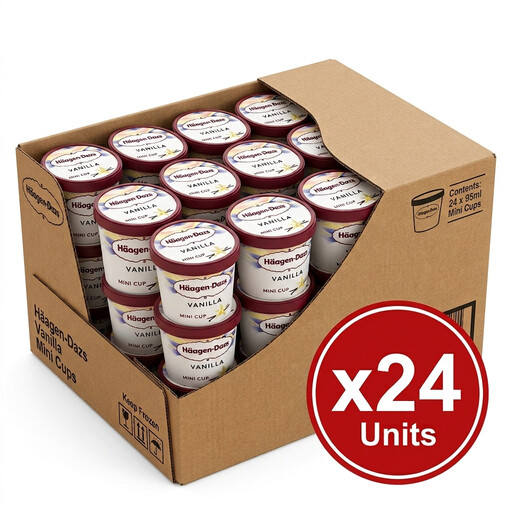 No image available
A case of 24 separate 95 ml tubs may suit a shop serving individual units. Check the current physical pack for its allergen declaration before sale or service.
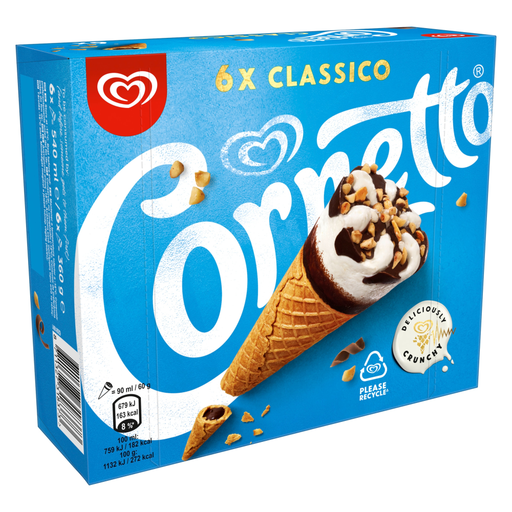 No image available
Six 90 ml cones provide defined individual units within one pack. Check the current physical pack for ingredients and allergens before sale or service.
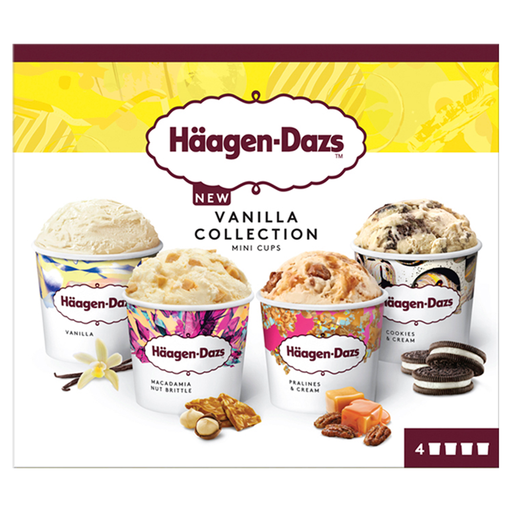 No image available
Four 95 ml cups offer separate portions in a smaller multipack than the 24-tub case. Check the current packaging and the exact cup when ingredients or allergens matter.
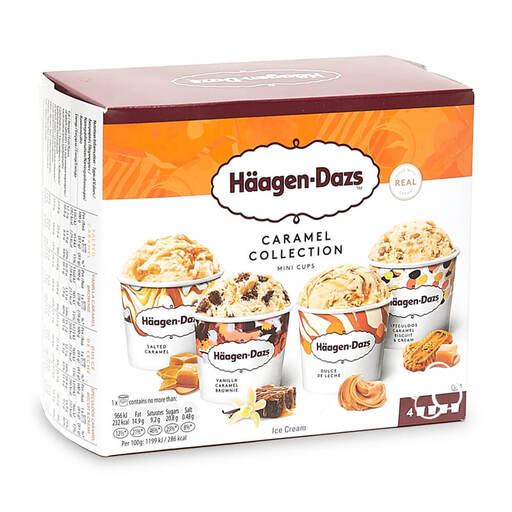 No image available
This four-cup pack has a stated 95 ml per cup for portion-by-portion serving. Check the current physical pack for the allergen declaration of each flavour.
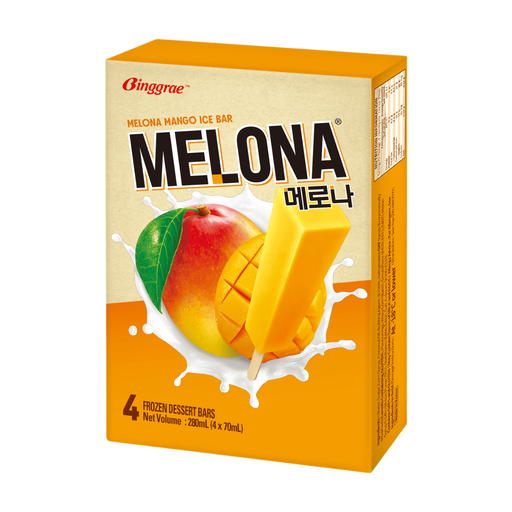 No image available
Four 70 ml bars provide a handheld format with a stated unit size. Check the physical pack for its current allergen declaration and follow its frozen-storage instructions.
No. A pack can contain several individual portions: Häagen-Dazs describes four mini cups in one multipack, while Tesco lists frozen desserts containing two units. Check both the number of portions and how the shop intends to sell the pack.
No. Portion size does not establish suitability for someone with an individual dietary or care-plan requirement. The British Dietetic Association’s care-home guidance addresses nutrition planning and special diets; follow the resident’s relevant plan when serving desserts in a care setting.
Check the current physical pack for the exact product and flavour before relying on its ingredient or allergen declaration. Häagen-Dazs warns that its online allergy and nutrition information may change; a food retailer should also have an allergen-information process appropriate to how it sells or serves the dessert.
Check the products’ storage instructions and the shop’s frozen-storage and temperature-monitoring arrangements. Food Standards Agency guidance addresses those facilities; ask the local authority how food-business registration applies to the shop’s location and operating model.