Buyers planning single servings
If staff need to hand over a dessert without scooping, compare cups, sticks and lollies by the number and size of units in each pack. Check the pack itself if individual wrapping matters to service.


Choose cups, sticks or lollies with a clearly stated unit size when the shop needs defined servings without scooping from a shared tub. Cups avoid a handheld stick, while sticks and lollies suit customers who can manage them; in a care setting, check each product’s allergens and the person’s assessed nutrition and texture requirements before serving it.
If staff need to hand over a dessert without scooping, compare cups, sticks and lollies by the number and size of units in each pack. Check the pack itself if individual wrapping matters to service.
Where desserts are served to people receiving care, the menu needs to reflect individual preferences and assessed nutrition, allergy and clinical requirements. Norfolk and Waveney Integrated Care System guidance calls for nutrition and hydration needs in care homes to be assessed and reviewed regularly.
For someone following a prescribed texture-modified plan, assess the exact dessert rather than relying on its shape or name. The International Dysphagia Diet Standardisation Initiative notes that frozen desserts vary in how they change as they warm and calls for product testing where transitional-food assessment is relevant.
Start with the serving format, then check the exact product information against the way the shop or service will use it.
| Priority | What to check | Your needs |
|---|---|---|
| Serving format | Check the unit count and size, such as the 4 × 95 ml mini cups listed by Tesco or the 10 × 55 ml Magnum Mini sticks listed by Waitrose. Confirm individual wrapping if staff need it. | I want a defined serving that can be handed over without scooping. A shared tub may still work when staff will portion and plate desserts. |
| Allergen information | Check the current label for each product and flavour. Waitrose lists milk in its Magnum Mini variants and almonds in the almond variant; keep variant-specific information available when serving a mixed pack. | If I stock several flavours, I need to identify the right product and its ingredients before giving allergen information to a customer. |
| Nutrition plan | Check the product’s ingredients, nutrition information and serving size against any assessed care plan. Norfolk and Waveney Integrated Care System guidance says care-home nutrition and hydration needs should be assessed and reviewed. | A dessert can add menu choice, but I cannot assume an ordinary ice cream or lolly meets someone’s assessed nutrition needs. |
| Texture requirements | Follow the person’s prescribed plan and the relevant clinical assessment. The International Dysphagia Diet Standardisation Initiative notes variation in frozen desserts as they warm; a cup, stick or lolly name is not a texture classification. | For someone with swallowing or texture requirements, I need the exact product assessed before it is served. |
| Frozen storage | Follow the pack’s storage and defrosting instructions. Food Standards Agency guidance says a freezer should be around −18°C; check the instructions for the specific dessert. | I need a storage routine that keeps the chosen packs frozen and their labels available for staff. |
A fixed portion simplifies service, but it does not establish suitability for an allergy, an assessed nutrition plan or a prescribed texture-modified diet.
Use the portion format to plan service; where care is provided, check the individual’s dietary and texture requirements separately.
Waitrose’s Magnum Mini mixed pack lists milk in its variants and almonds in the almond variety. Information for one stick should not be applied to another flavour.
Keep the current pack information available, identify the variant being served and recheck allergens before changing flavours or packs.
Those words do not establish a product’s full ingredient profile, nutrition information or suitability for someone with swallowing difficulties.
Check the exact label and, where relevant, the person’s assessed dietary and texture requirements.
A tub or whole frozen dessert needs staff to divide and serve it. Cups, sticks and lollies provide identifiable units, although their handling requirements differ.
Decide whether staff will plate desserts before comparing unit sizes, pack counts and serving formats.
These range examples help distinguish serving formats; they do not establish that a particular dessert suits an individual care plan.
Tesco Groceries lists mini sticks, mini cups and fruit lollies, allowing a buyer to compare several individual-format categories.
Marks & Spencer lists fruit pops, juice lollies and ice-cream sticks in its ice-lolly range.
Waitrose & Partners lists individual sticks alongside larger frozen desserts intended for portioning or sharing.
Tesco Groceries lists Häagen-Dazs mini cups for buyers considering a cup rather than a handheld stick.
These options cover cups, ice-cream sticks, ice bars and squeeze pops for a shop seeking defined servings without scooping. Compare the handling format and current pack information before choosing for a particular customer or service.
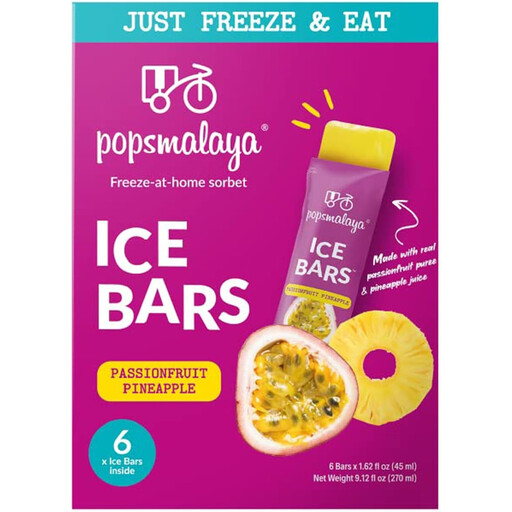 No image available
Six individually wrapped bars give staff defined portions without scooping. Check the current ingredients and allergen label; a fruit bar should not be assumed suitable for an assessed nutrition or texture plan.
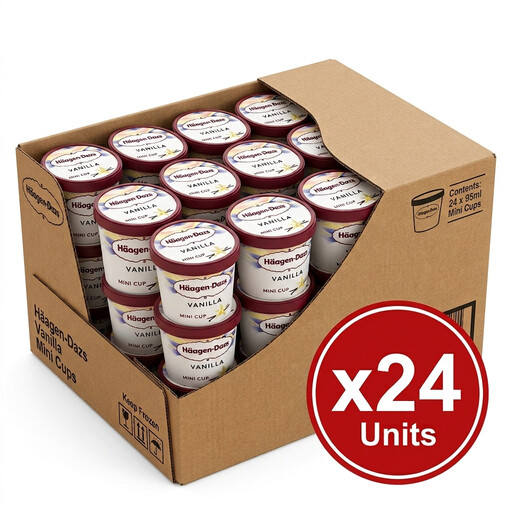 No image available
Single-serve cups avoid scooping from a shared tub and do not require a handheld stick. The product information lists milk and egg and says it may contain nuts; check the current label and any prescribed texture requirements before serving.
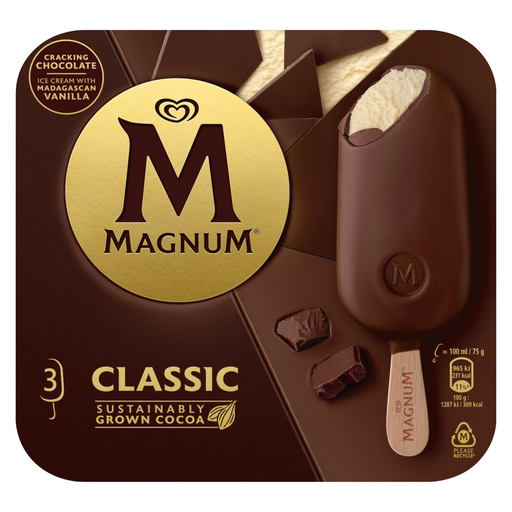 No image available
Three separate sticks offer defined handheld servings; confirm the pack format if individual wrapping is needed. The product information lists milk and says it may contain almond and pistachio. Check the current label and whether the customer can manage a stick.
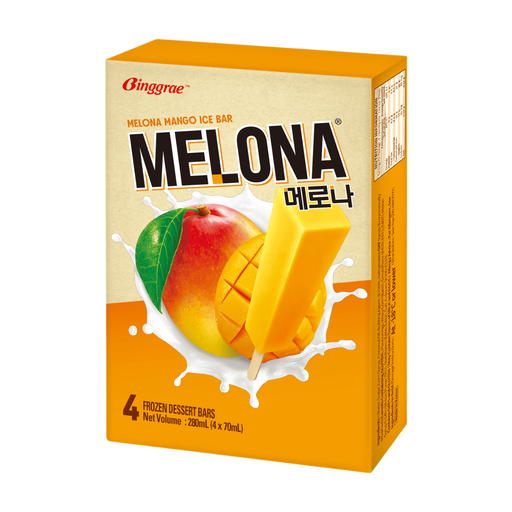 No image available
Four individually wrapped bars provide defined portions for no-scoop service. The product information identifies milk as an allergen; check the current pack label. Do not infer suitability for a prescribed texture-modified diet from a description of the bar’s texture.
 No image available
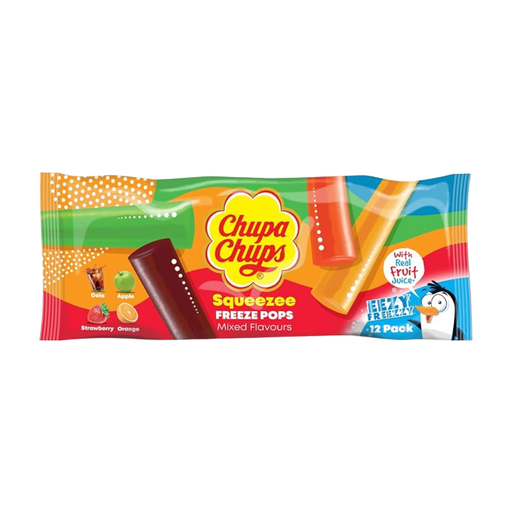
Twelve individual squeeze tubes provide defined servings without scooping, provided the customer can manage the container. Check the current pack for allergen and storage instructions, and assess the exact product against any prescribed texture requirements.
Individual cups, sticks and lollies are the more direct fit when staff need defined servings without scooping. A tub or whole dessert can still suit a plated service if staff can portion it; check the unit format as well as the needs of the people being served.
Do not decide from the product name or appearance alone. The International Dysphagia Diet Standardisation Initiative notes that frozen desserts vary as they warm and calls for product testing where transitional-food assessment is relevant. Follow the person’s prescribed plan and clinical guidance for the exact product.
In England, Northern Ireland and Wales, Food Standards Agency guidance says food-business operators must provide allergen information for prepacked and non-prepacked food and drink, manage allergens and train staff. Check the current label and each flavour in a mixed pack; businesses in Scotland should check the requirements applicable there.
Follow each pack’s freezing and defrosting instructions. Food Standards Agency guidance says a freezer should be around −18°C, while Coventry City Council’s food-safety guidance says frozen food should be stored at −18°C or lower and temperatures checked and recorded as part of a food-safety management system.
No. Norfolk and Waveney Integrated Care System guidance calls for nutrition and hydration needs in care homes to be assessed and reviewed regularly. Treat a frozen dessert as a menu choice, and check any individual nutrition requirements with the care team rather than assuming the dessert meets them.