Hosts who want to hand out dessert
Individual sticks need no cutting, bowls or scooping. Marks & Spencer and Waitrose list both mini and larger sticks, so check the portion size as well as the format.


Choose individual sticks if you want to hand out dessert after a Sunday roast without plates or spoons. Mini cups and frozen dessert pots suit a seated course instead, but need spoons; whichever format you choose, match the portion count to your guests and check the exact pack for allergens and storage instructions.
Individual sticks need no cutting, bowls or scooping. Marks & Spencer and Waitrose list both mini and larger sticks, so check the portion size as well as the format.
Mini ice-cream cups and frozen dessert pots give each guest a separate portion. They need spoons and somewhere to set them down, unlike a stick.
Compare the ingredients, allergen information and dietary statements on each exact pack. A familiar brand or flavour does not establish that every variant suits every guest.
Start with how you will serve dessert, then check the size and number of portions against your table. Leave time to read the pack instructions before the meal.
| Priority | What to check | Your needs |
|---|---|---|
| Serving format | Check whether each item is a stick, cup or pot, and whether serving needs spoons or plates. Confirm that the pack contains individual portions rather than a sharing dessert. | I would rather hand desserts out straight after the roast than cut or scoop them: sticks fit that plan. For a seated course, cups or pots work if spoons are ready. |
| Portion size | Compare the stated size per item, not just the total pack size. Waitrose lists 55 ml mini sticks and 90–100 ml sticks; Tesco lists 95 ml mini cups and frozen dessert pots of 80–85 g. | After a substantial meal, I want guests to be able to choose a portion size that suits them. The listed formats offer different sizes, but millilitres and grams describe different measures. |
| Number of servings | Count the individual items and compare that count with the number of diners. Listings include two-pot desserts, three-stick packs, four-cup packs and six-stick packs. | Will one pack give everyone a dessert, or do I need more than one? I also need to count each flavour separately if guests will have a choice. |
| Ingredients and allergens | Read the ingredients, highlighted allergens, dietary statements and any precautionary allergen information on the exact pack. The Food Standards Agency identifies nuts as an allergen that can occur in desserts and ice cream. | If a guest has an allergy or dietary requirement, I need information for the particular product and flavour I will serve, not an assumption about its brand or appearance. |
| Storage and serving | Check the product’s own frozen-storage and use instructions, including any directions before serving. Make sure there is freezer space for the packs until they are needed. | I want to keep dessert in its intended condition while preparing the roast, then follow the pack directions when it is time to serve. |
Frozen-dessert ranges include sharing puddings as well as sticks and pots. A sharing dessert means cutting and plating when the meal is over.
Check that the pack states individual sticks, cups or pots if you want portions ready to hand out.
A two-pot dessert and a multipack of sticks can look quite different on the shelf, but the number of individual items determines how many guests each pack can serve.
Count diners and compare both the item count and the stated ml or g per portion.
A two- or three-portion pack will require additional packs if more guests each need a serving.
Ingredients and allergen information can differ between products and flavours. The Food Standards Agency notes that nuts can occur in desserts and ice cream.
Check the exact physical pack before serving, including its ingredients, allergens and precautionary statements. Keep it available for guests who need to read it.
These ranges illustrate the formats to compare; a retailer’s wider frozen-dessert range will not consist entirely of individual portions.
Marks & Spencer lists individual ice-cream sticks and fruit lollies alongside larger frozen desserts.
Waitrose lists mini and standard-size ice-cream sticks, including fruit-flavoured lollies.
Tesco lists frozen individual dessert pots as well as ice-cream sticks and mini formats.
Häagen-Dazs offers spoonable mini-cup multipacks; Tesco lists a 4 × 95 ml collection.
Gü frozen dessert pots are a spoonable alternative to ice-cream sticks.
These options include a hand-held mango ice bar for informal serving and mini ice-cream cups for a seated Sunday-roast dessert. Compare their pack counts before choosing for your table.
 No image available
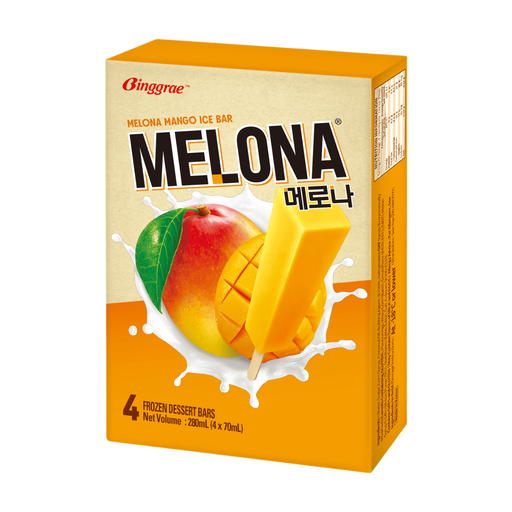
Four individually wrapped mango bars suit a dessert you can hand out without bowls or scooping. Count one 70 ml bar per serving and check the physical pack’s ingredients and allergen information before offering them to guests.
 No image available
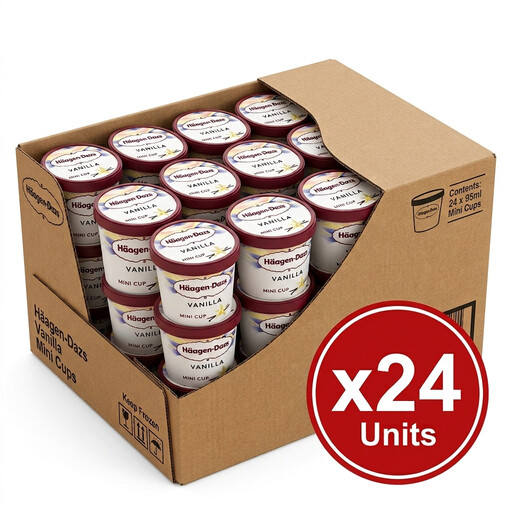
Individual 95 ml tubs suit a seated dessert course, though a case of 24 may exceed the number needed for a small gathering. Check the packaging for the stated spoon inclusion, current allergens and serving instructions.
 No image available
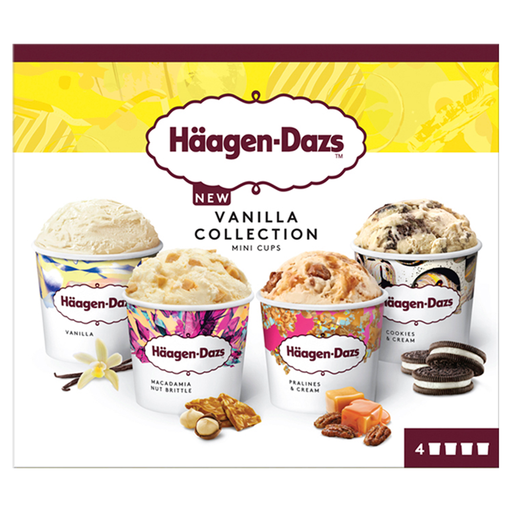
Four individual 95 ml cups offer a spoonable option for a seated table rather than a hand-held stick. Provide spoons, and check the exact pack’s ingredients and allergen information for each flavour before serving.
An individual stick avoids cutting, scooping, bowls and spoons. UK retailer listings include 55 ml mini sticks as well as 90–100 ml sticks, so choose the portion size separately from the serving format.
Mini cups suit a seated dessert course when you can provide spoons and table space. Tesco lists a Häagen-Dazs mini-cup collection in a 4 × 95 ml pack; a stick remains simpler to hand out without table service.
Count the individual portions on each pack against the number of diners, then account for any choice of flavours you want to offer. Two-pot desserts, three-stick packs and four-cup packs serve different numbers of people even when each is described as a multipack.
Read the ingredients, highlighted allergens and any precautionary allergen statement on the exact physical pack before serving. The Food Standards Agency notes that nuts can occur in desserts and ice cream; do not assume that different flavours or products from the same brand have identical ingredients.
Follow the storage and use instructions on the product you buy rather than relying on its title. The Food Standards Agency identifies storage, handling and use information as relevant to how consumers should manage food.