
24/7 Customer Support

Free returns

Same-day & Next-day Delivery

Quality Guaranteed

Unlock Your Welcome Offers: FREE Delivery | Up to 80% OFF | Free 30-day JoyPlus trial
Download the APP
As a Joybuy Product Recommendation Officer, my role is to help you navigate the crowded freezer aisles. The convenience of enjoying restaurant-style frozen dim sum at home is undeniable, but not all products deliver on their promise. Many shoppers find themselves disappointed with lacklustre fillings or textures that miss the mark.
This guide cuts through the clutter to focus on what truly matters. We will look at the common pitfalls to avoid and the key details to check on the packaging, ensuring your next purchase of quick Asian meals is a satisfying one.
Before you add anything to your basket, be aware of these frequent issues that can lead to a disappointing meal:
To avoid these traps, a quick check of the product details can reveal a lot about its quality. Here is what to focus on for your dim sum at home experience.
The most reliable indicator of a generous filling is the Quantitative Ingredient Declaration (QUID). This is legally required in the UK and is usually found in the ingredients list. Look for the percentage of the main protein or characterising ingredient. For example, a pork bun that lists "Pork (35%)" is likely to be more substantial than one listing only 15%. This simple check helps you sidestep the "dough-to-filling deception."
The texture of a steamed bun is paramount. The ingredients in the dough, such as the type of wheat flour and the raising agents used, play a significant role. While you may not be a food scientist, the recommended cooking instructions offer a strong clue.
To ensure you get the flavour you are paying for, scan the ingredients for authentic components.
Based on these practical criteria, here are a few options from our catalogue, matched to different needs and preferences.
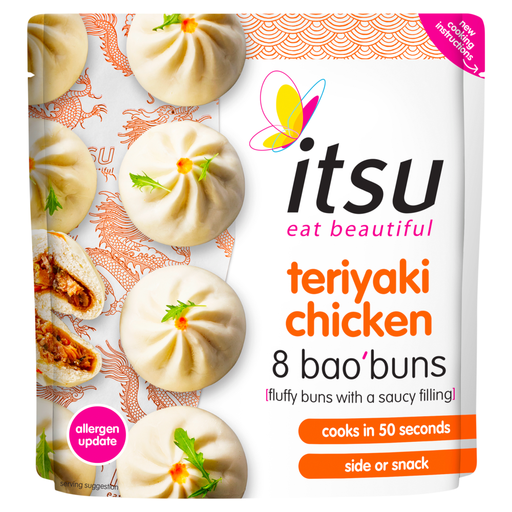
Why This Fits Their Persona: For those short on time, these bao buns offer a satisfying meal in under a minute. The familiar teriyaki chicken flavour is a crowd-pleaser, making it a reliable choice for a quick lunch or a simple dinner for the family.
It directly counters the "Texture Tragedy" for microwave users. The dough is specifically formulated to become soft and fluffy in just 50 seconds, avoiding the toughness that can plague other buns when not steamed.
Extreme Convenience: Ready in 50 seconds from the microwave.
Balanced Flavour: The teriyaki sauce includes ginger and sesame oil for a more rounded, authentic taste.
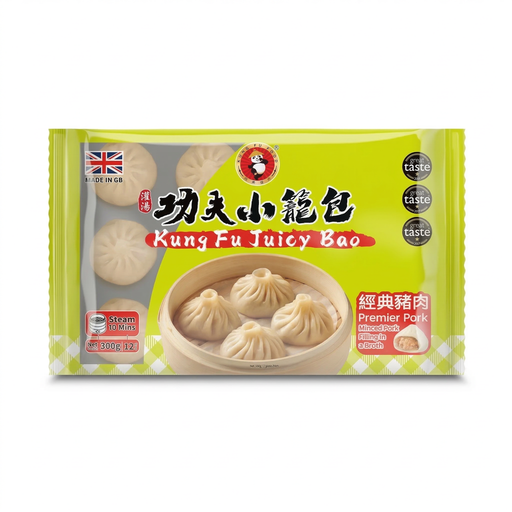
Why This Fits Their Persona: For those seeking an authentic restaurant experience, these are classic pork soup dumplings (xiaolongbao). They are designed specifically for steaming to create the signature burst of hot, savoury broth held within a delicate wrapper.
This product tackles the "Dough-to-Filling Deception" head-on. It specifies a Pork (35%) content and the description highlights the thin wrapper, rich filling and savoury broth, which are the hallmarks of a quality soup dumpling.
Authentic Experience: Designed to replicate the classic soup-filled dumpling.
High Pork Content: The 35% pork filling ensures a meaty, substantial bite.
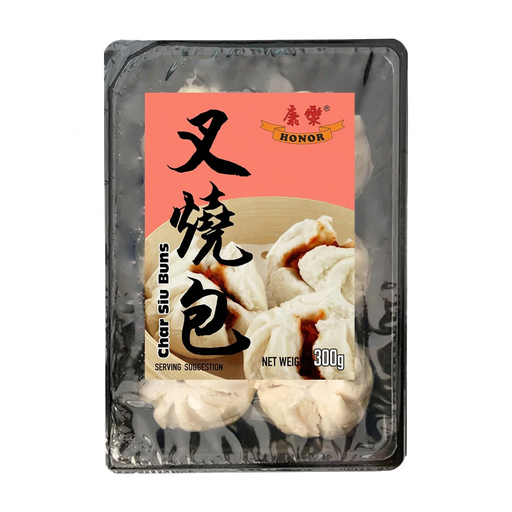
Why This Fits Their Persona: For anyone craving a timeless Cantonese classic, this char siu bao is the quintessential choice. It delivers the iconic sweet and savoury barbecue pork filling inside a soft, fluffy steamed bun, perfect for a traditional dim sum spread at home.
This product avoids the "Flavour Inauthenticity" pitfall. The ingredients list includes key components like Hoisin Sauce, honey and red fermented bean curd, which are essential for creating the genuine, complex flavour of Cantonese barbecue pork.
Classic Flavour Profile: Uses authentic ingredients for a true char siu taste.
Soft, Fluffy Dough: Formulated for steaming to achieve the correct light texture.
We have compiled a complete, real-time list of products that fully satisfy these strict selection criteria and UK safety regulations.
Sogginess is usually caused by condensation. To prevent this when steaming, line your steamer with perforated parchment paper or cabbage leaves to allow steam to circulate without waterlogging the buns. If you are steaming a large batch, do not overcrowd the steamer. If using a lid, you can wrap it in a tea towel to absorb excess moisture before it drips back onto the buns.
While steaming is the traditional and often recommended method, some items can be cooked in an air fryer for a different, crispier texture. This works well for items like gyoza or spring rolls. For frozen Chinese buns, it can create a baked or pan-fried texture. Lightly brush the buns with oil and cook at around 180°C for 8-12 minutes, checking frequently. This method is not suitable for soup dumplings, as the delicate wrapper may break.
A bao bun (or baozi) is a fluffy, bread-like bun made from a leavened dough, which is then steamed. They come with a wide variety of fillings, from savoury pork buns to sweet custard. A soup dumpling (or xiaolongbao) is very different. It has a very thin, unleavened wrapper that is pleated around a filling. The "soup" is created by a jellied meat broth that melts when steamed, filling the dumpling with hot liquid. They are much more delicate than bao buns.