Hosts planning a shared main
A larger frozen dish can simplify serving. Check its stated portions and compare fat per 100g as well as the amount each guest is likely to eat; a rich filling or pastry still needs a look at the full nutrition panel.


A shareable frozen main suits a dinner party when its stated servings cover your guests and its nutrition figures work for the portions you plan to serve. If you want to decide how much oil or sauce goes into the meal, assemble it from frozen ingredients instead; individual meals can help with different guest preferences, but each pack needs its own ingredient, allergen and cooking check.
Start with how you intend to serve the food: one main to share, separate plates or a dish you will put together yourself.
A larger frozen dish can simplify serving. Check its stated portions and compare fat per 100g as well as the amount each guest is likely to eat; a rich filling or pastry still needs a look at the full nutrition panel.
Individual meals make it possible to check each guest’s portion and ingredients separately. Allow for the heating methods and space needed to prepare several packs, and check each current pack for allergens.
Frozen protein and vegetables let you decide the recipe, sauce and serving sizes. This takes more preparation than heating a ready meal, particularly when several components need to be ready together.
Choose the serving format first, then compare labels for similar foods and work out what the planned portion puts on each plate.
Choose it when: one dish with a stated serving count fits the guest list and leaves little cooking to coordinate.
Trade-off: a shared dish offers less flexibility when guests need different ingredients or portions.
Choose them when: guests need separately selected or portioned dishes.
Trade-off: several packs may need different heating times and can be harder to serve together.
Choose it when: you want to decide the recipe and quantities yourself.
Trade-off: you take on the preparation and coordination that a ready meal would otherwise reduce.
| Priority | What to check | Your needs |
|---|---|---|
| Fat on the label | Compare total fat per 100g between similar dishes, then check the intended portion. NHS guidance describes 3g or less total fat per 100g as low and more than 17.5g as high. Check saturated fat separately. | I want to know what will be on each plate, rather than rely on a ‘reduced fat’ claim alone. |
| Salt | Read the salt figure per 100g and per serving. Do not assume that a meal selected for its fat content will also meet your salt preference. | A meal can suit my fat comparison but have a salt figure I still want to consider. A Waitrose listing for a Birds Eye frozen chicken curry states 1.80g salt per portion. |
| Servings and sides | Confirm the pack’s stated servings and the portion you will actually serve. Include sides, sauces and cooking oil when planning the meal. | There needs to be enough for the whole table without assuming a pack for two will stretch further. |
| Guest requirements | Check ingredients and allergens on every current pack, including sides. For individual meals, check each selection rather than treating the group as one menu. | I need to identify which food each guest can have before I commit to a shared dish. |
| Cooking plan | Read each pack’s cooking method and check that the necessary oven or microwave space is available. Follow the instructions and check that food is piping hot before serving, as advised by the Food Standards Agency. | Everything should be ready to serve together, even if the dishes have different heating instructions. |
The phrase makes a comparison; it does not by itself tell you that the finished meal meets the NHS low-fat definition or what its saturated fat, salt and intended serving contain.
Use it to narrow the choices, then compare the nutrition panels of similar dishes per 100g and for the amount you plan to serve.
The dish’s description cannot replace its figures. For context, a Sainsbury’s chicken and mushroom puff-pastry slice lists 8.9g saturated fat per slice; that figure applies to that product and serving, not to every pastry dish.
Check the particular main you are buying. If it does not fit the menu you have planned, choose another dish or assemble the main from frozen ingredients.
Separate meals allow different selections, but their cooking methods and timings may complicate serving everyone at once. A larger dish has its own stated serving count to check.
Decide how the food will reach the table before buying, then confirm quantities and available oven or microwave space.
Ingredients and allergy information can change. Iceland advises customers to check the actual packaging rather than rely solely on product information seen online.
Read every physical pack before preparing food for a guest with an allergy, and repeat the check if you substitute a product.
These retailer ranges are starting points for finding a suitable format; a category name cannot establish the nutrition or allergens of an individual dish.
Look at its larger frozen prepared dishes if you want a centrepiece, or its Eat Well frozen ingredients if you plan to cook.
Product-level nutrition is useful when comparing separately portioned frozen meals.
Its frozen ready-meal navigation separates family meals, meals for two and an Under 500cal category.
Compare product-level portions and nutrition rather than treating the retailer’s ready meals as one nutritional category.
Its Frozen Healthy Ready Meals category offers a way to start browsing frozen prepared dishes.
Its frozen ready-meal range is another place to compare formats and individual packs.
These frozen options are components, sides and an appetiser for a dinner-party menu, rather than a selection of complete reduced-fat ready meals. Plan a main and sufficient portions around whichever items you choose.
 No image available
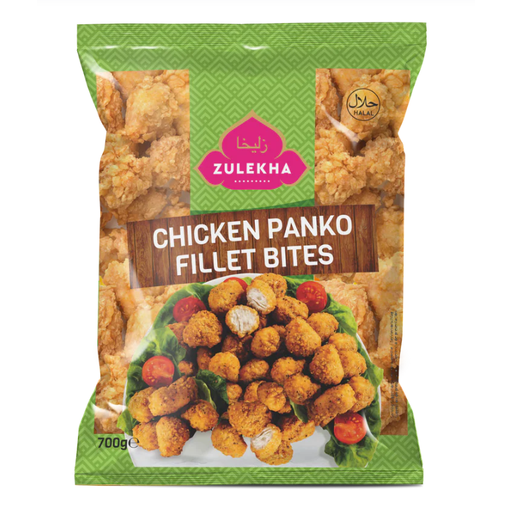
Chicken bites can form part of a dinner-party menu, but a 700g pack is not a complete meal. Check the pack for its serving guidance and the nutrition of the portion you plan to offer; check ingredients and allergen information for guests before preparing it.
 No image available
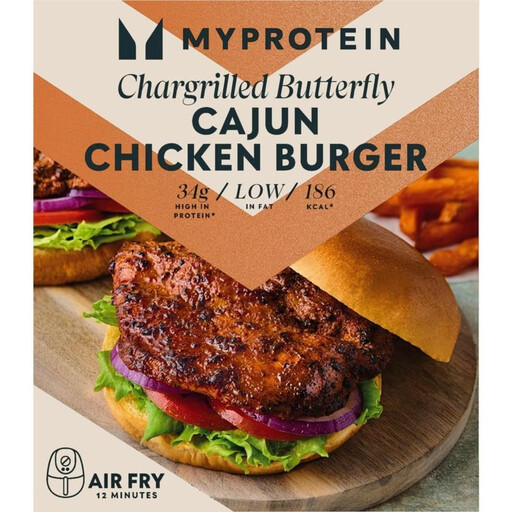
The two-pack offers chicken burgers as components for separate plates, not a complete dinner-party meal. Check how many packs your guest count requires, along with the current cooking instructions, ingredients and nutrition for the serving you intend to use.
 No image available
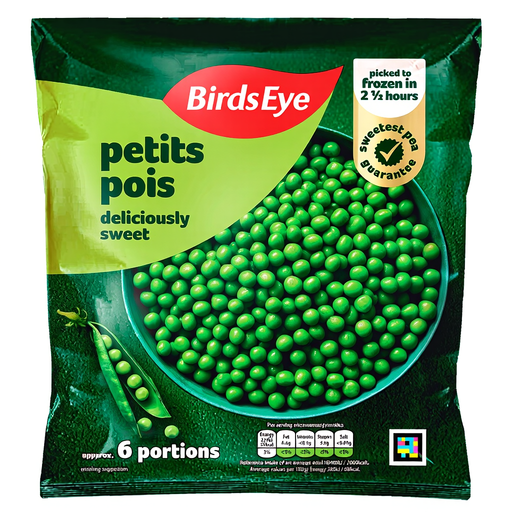
These frozen peas are a vegetable side for a meal you assemble, not a main on their own. Check the pack’s serving guidance against the guest count and follow its cooking instructions.
 No image available
These frozen gyoza can be served as an appetiser or side rather than a complete main. The choice of cooking method matters when planning added oil; consult the pack for its methods, serving guidance and current allergen information.
 No image available
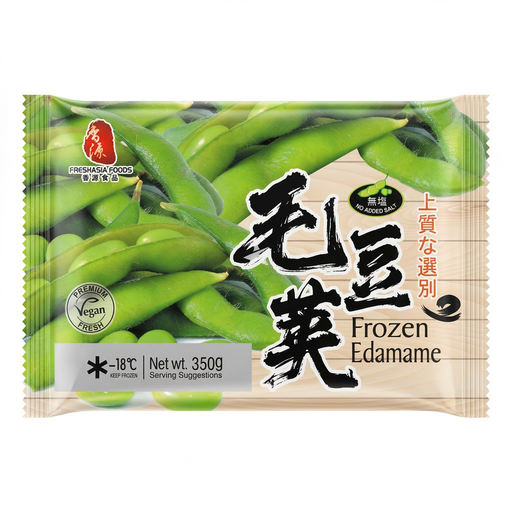
Edamame in pods can be one component of a shared table, but the 350g pack is not a prepared main. Check how much you intend to serve, follow the pack’s cooking directions and check its soya allergen information for guests.
No. ‘Reduced fat’ describes a comparison, while the NHS low-fat classification uses the food’s total fat per 100g: 3g or less. Read the chosen meal’s total fat figure and check the portion you intend to serve; consider saturated fat and salt separately.
Compare total fat, saturated fat and salt for similar dishes, then check their stated servings against your guest count. The NHS describes more than 17.5g total fat per 100g as high; a per-100g comparison still needs to be considered alongside the amount you will serve.
Yes. The nutrients are separate figures: a Waitrose listing for Birds Eye Get Real Protein Thai Red Chicken Curry, for example, states 1.80g salt per portion. Check salt on the particular pack rather than using its fat positioning as a substitute.
Follow each pack’s own method and timing, and plan around the oven or microwave space available. The Food Standards Agency advises checking that food is piping hot before serving; do not apply one product’s cooking time to another.
No. Read the current physical pack before preparation and serving, including its ingredient and allergen information. Iceland warns that product information can change, so repeat the check if you buy a substitute.