Couples planning a freezer-based dinner
If you want one meal for two, check the declared servings and whether both portions can be cooked together. Compare fat and saturated fat per serving as well as per 100g.


For a date-night dinner for two, compare the exact frozen meals’ fat and saturated fat figures per 100g and per serving rather than relying on calorie-controlled branding. Check that the pack provides two portions, then read its salt information, allergens and cooking instructions so the meal suits both diners and can be ready together.
If you want one meal for two, check the declared servings and whether both portions can be cooked together. Compare fat and saturated fat per serving as well as per 100g.
An energy figure does not tell you whether a meal is lower in fat. Use the nutrition panel to compare total fat and saturated fat on the same basis across the frozen options you are considering.
Check ingredients, allergen declarations and dietary information for the exact product. Read the label on the pack received before preparing a shared meal.
Start with comparable nutrition figures, then check whether the portion format and preparation work for dinner for two.
| Priority | What to check | Your needs |
|---|---|---|
| Fat and saturates | Compare both figures per 100g and per serving. NHS food-label guidance describes 3g fat or less and 1.5g saturated fat or less per 100g as low; more than 17.5g fat or 5g saturated fat per 100g is high. | I want to compare the portions we would actually eat, not assume an under-500-calorie label means lower fat. |
| Portions | Read the servings per pack and pack weight. For individual meals, check each portion rather than assuming one pack feeds two. | Will one pack make dinner for both of us, or should I plan two portions? |
| Salt and meal choice | Compare salt alongside fat and saturates. Where traffic-light labels are provided, GOV.UK says they show whether these nutrients are present in high, medium or low amounts. | I want a dish we will both enjoy without overlooking its salt or saturated fat figures. |
| Cooking time | Check whether the meal cooks from frozen, which appliance it needs and any standing time. Confirm that both portions can follow the stated instructions. | Both servings need to be ready at the same time with the equipment we have. |
| Ingredients | Read the current ingredients and allergen declaration for the exact meal. Check any dietary statement on that product, not just the name of its range. | Either diner may need to avoid an ingredient, so the label on the pack matters before we cook. |
Calories, total fat and saturated fat are different measures. An energy claim alone cannot settle a comparison between frozen meals.
Compare fat and saturates per 100g, then check the values for the serving each person will eat.
A single-meal pack may leave you with less food than planned for a shared dinner.
Read the declared serving count. If you choose individual meals, check both packs’ portions and cooking instructions.
A creamy or cheese-led description does not tell you the product’s saturated fat or salt values.
Compare the nutrition panels of similar dishes, including the per-serving figures.
Ingredients and allergen information can change, so an earlier product page may not describe the pack you receive.
Read the current pack’s ingredients, allergen declaration and cooking instructions before serving either diner.
These ranges offer different starting points, but a range name does not establish the fat content, serving count or frozen status of an individual meal.
Tesco Groceries lists frozen ready meals, including routes for meals for two and under-500-calorie meals.
Iceland Foods lists frozen ready meals, including a 550g Slimming World Beef Lasagne.
M&S describes its Count On Us dishes as calorie controlled and portion controlled.
Waitrose places its Healthy Ready Meals category under Fresh & Chilled ready meals.
Sainsbury's says its product information can include cooking and storage instructions, nutrition, dietary information and ingredients.
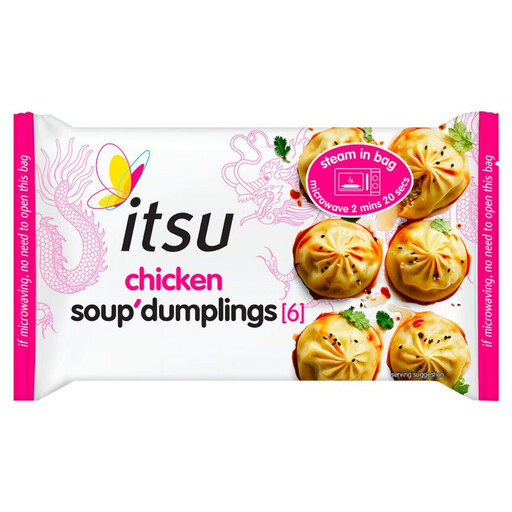
These soup dumplings are a frozen option to consider as a component of dinner for two. Check the portion count and nutrition before treating them as a complete lower-fat meal.
 No image available
For dinner for two, check whether the 168g pack provides the portions you need or calls for another dish. Compare the current fat and saturated fat figures, check allergens for both diners, and follow the pack’s cooking and standing instructions.
No. That figure describes energy, not total or saturated fat. Compare the exact products’ nutrition panels per 100g and per serving. NHS guidance describes 3g fat or less and 1.5g saturated fat or less per 100g as low.
Check the declared servings and pack weight on the exact product. Do not assume that a single meal serves two because of its weight or calorie-controlled branding; also check the nutrition figures for the portion each person will eat.
They provide a quick indication of fat, saturated fat, sugars and salt where shown. Use the nutrition table as well, comparing per 100g when pack sizes differ and per serving for the portions you plan to eat.
Read the ingredient and allergen declaration on the exact pack before cooking. Iceland Foods cautions that published product information can change, so an older online listing should not replace the label on the meal received.
Follow the instructions on the current pack for the appliance you are using, including any standing time. Check the instructions for both portions so you can plan when they will be ready.