
24/7 Customer Support

Free returns

Same-day & Next-day Delivery

Quality Guaranteed

Unlock Your Welcome Offers: FREE Delivery | Up to 80% OFF | Free 30-day JoyPlus trial
Download the APP
Frozen dumplings are a practical option for students, families and anyone who wants a filling meal without preparing dough or a separate filling. The range now includes Chinese dumplings, Japanese gyoza, Korean mandu, wontons, tangyuan and frozen dim sum.
However, packaging can make similar products appear interchangeable when their ingredients, portion sizes and cooking methods differ. A few checks before buying can help you avoid disappointing texture, unsuitable allergens or a pack that does not match your intended meal.
“Pork dumplings” may refer to very different recipes. One product can contain pork alongside cabbage, while another may include pork fat, textured soya protein, chives, sweetcorn or a higher proportion of wrapper. Check the quantitative ingredient declaration (QUID) where available rather than relying only on the front label.
For example, FRESHASIA Pork & Chinese Leaf Dumplings list pork at 30% and cabbage at 15%, while KUNG FU Pork & Chinese Leaf Dumplings list pork at 23% and Chinese leaves at 13%. Both are 400 g packs, but their ingredient balance is not identical.
Some frozen dumplings are designed for boiling, steaming or pan-frying, while others are particularly suited to one method. Wontons generally work well in soup or boiling water, whereas gyoza are commonly pan-fried to create a crisp base.
Also check whether the instructions say to cook from frozen. Thawing can soften wrappers and increase the risk of sticking. Follow the pack instructions, and do not eat frozen raw dumplings without cooking them thoroughly.
Many dumpling wrappers contain wheat and gluten. Soybeans and sesame are also common in sauces and seasonings. Wontons may contain egg, while seafood varieties can include shrimp or other crustaceans. Always read the current packaging, particularly if you have an allergy or are cooking for someone else.
Frozen products should generally be stored at -18°C or below, kept frozen until required and not refrozen after defrosting. Product labels remain the most reliable source for storage, allergen and date information.
Choose the filling around how you plan to serve the dumplings:
Look at both the filling percentage and the nutrition panel. Products in this range vary in energy, salt and protein per 100 g, so comparing like for like is more useful than comparing pack size alone.
A 400 g bag may work for one or two meals depending on appetite and accompanying dishes. Larger 525 g and 600 g bags are more suitable for family sharing, meal preparation or regular use. Smaller packs, such as 140 g or 174 g wontons, can be useful for a single soup serving or a trial purchase.
Individually frozen pieces are easier to portion and reduce the need to defrost an entire bag. If you live in a shared house or have limited freezer space, consider the pack dimensions and whether the bag can be resealed securely.
For pan-fry dumplings, use a non-stick pan and follow the water-steaming stage in the instructions. This typically cooks the filling while allowing the base to brown. Steaming produces a softer wrapper, while boiling is convenient for soups and quick meals.
Cooking times vary. Examples in this range include approximately 5–8 minutes for boiling, 8–12 minutes for steaming and around 6–10 minutes for pan-frying. Appliances and quantities can affect timing, so ensure the centre is thoroughly cooked and piping hot before serving.

Why This Fits Their Persona: A straightforward choice for students or first-time buyers wanting a versatile 400 g bag for boiling, steaming or pan-frying.
The listed pork and cabbage percentages make the filling easier to compare with similar Chinese dumplings.
400 g pack; suitable for boiling, steaming and pan-frying; listed allergens include wheat, soy and sesame.

Why This Fits Their Persona: Convenient for shoppers who value individual portions and microwave preparation for lunch or a quick evening meal.
The pack gives clear microwave guidance and warns that the soup centre is very hot, helping avoid rushed serving.
Six-pack format; 168 g net weight; steam-in-tray microwave preparation; contains wheat and soya.
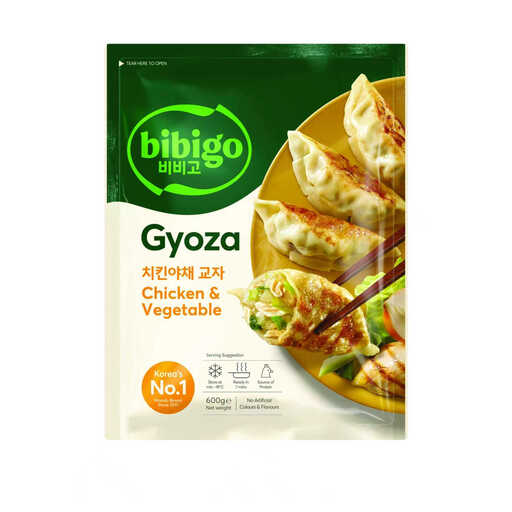
Why This Fits Their Persona: A larger pack for families, batch cooking or shoppers who want one product for pan-frying, steaming and soup.
The label provides separate pan-fry, steam and soup instructions, rather than implying that one cooking method suits every meal.
600 g pack; chicken meat listed at 20%; cabbage at 21%; cooking from frozen is specified.
We have compiled a complete, real-time list of products that fully satisfy these strict selection criteria and UK safety regulations.
Many products are designed to be cooked from frozen, and doing so can help the wrapper retain its shape. This is not universal, so check the pack instructions. Add cooking time where required and ensure the filling is thoroughly cooked.
Store them at -18°C or below until the stated date on the packaging. Avoid refreezing after defrosting. Once opened, reseal the bag where possible and follow any additional instructions on the label.
Yes, provided the product matches your equipment and dietary needs. Boiling and steaming require only a saucepan or steamer, while microwave soup dumplings can reduce preparation time further. Check the portion size, cooking method and allergen information before ordering.