
24/7 Customer Support

Free returns

Same-day & Next-day Delivery

Quality Guaranteed

Unlock Your Welcome Offers: FREE Delivery | Up to 80% OFF | Free 30-day JoyPlus trial
Download the APP
A bag of frozen dumplings in the freezer is a promise of a quick, comforting and delicious meal. Whether boiled, steamed or pan-fried to a crispy golden-brown, they are a staple for anyone looking for convenient Asian meals. However, the growing popularity has flooded the market, and not all frozen dumplings are created equal. Many shoppers find themselves disappointed by products that fail to deliver on their promise of authentic flavour.
As a Joybuy Product Recommendation Officer, my role is to help you navigate the options and avoid common purchasing mistakes. Before you buy Chinese dumplings online again, let’s look at the frequent pitfalls that can lead to a disappointing meal.
To ensure you get value and flavour, focus on a few key product details rather than just the marketing claims on the front of the bag.
The type of wrapper determines the ideal cooking method. Traditional Chinese dumplings (jiaozi) often have a slightly thicker, chewier wheat-flour wrapper that holds up well to boiling. Japanese-style frozen gyoza UK shoppers look for have thinner skins, designed to become crispy on the bottom when pan-fried. For Asian dumplings for hot pot, you need a wrapper that can simmer in broth without falling apart. Always check the suggested cooking methods on the packaging, as this indicates what the wrapper was designed for.
This is where you can truly separate the good from the mediocre. Don't just look at the flavour name; check the ingredients list for the Quantitative Ingredient Declaration (QUID). This is a legal requirement in the UK and tells you the exact percentage of key ingredients. For example, a package of pork and chive dumplings might state "Pork: 23%". This figure is a reliable indicator of how generous the filling is. For frozen prawn dumplings, a higher percentage of prawn directly correlates with a richer seafood flavour and better value. This simple check helps you avoid the skimpy filling pitfall.
Are you looking for a quick lunch, an appetiser or a component for a larger meal? The size, filling and type of dumpling should match your plans. Classic combinations like pork and Chinese leaf are versatile all-rounders. More delicate options like frozen vegetable dumplings or those with seafood are excellent when steamed or boiled and served with a simple dipping sauce. Understanding the flavour profile helps you plan a satisfying meal.
To help you choose, we've matched some popular options to different preferences and needs.

Why This Fits Their Persona: This is for the person who wants the quintessential dumpling experience. The pork and chive combination is a timeless classic, delivering a savoury, aromatic flavour that is comforting and familiar. It's a no-fuss, dependable choice for a quick Asian meal.
It sidesteps the "authentic flavour" mirage by delivering exactly what it promises: a classic pork and leek (chive) filling. The ingredient list is straightforward, focusing on this core combination rather than excessive fillers.
Versatile wrapper suitable for boiling, steaming or pan-frying. The flavour profile is a well-balanced classic that pairs well with simple soy sauce and vinegar dips.
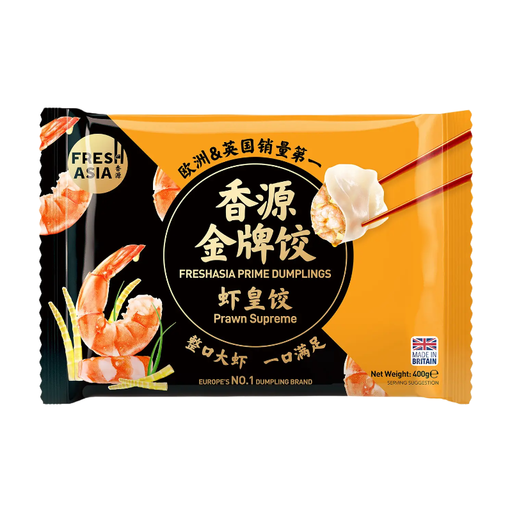
Why This Fits Their Persona: This is for the shopper who specifically wants high-quality frozen prawn dumplings. They prioritise a rich seafood flavour and a generous amount of prawn in every bite and are willing to look for a product that highlights this.
It directly counters the "skimpy filling" pitfall with a clear QUID: 36.6% prawn. This verifiable fact assures you that the primary ingredient is prawn, not fillers, ensuring a genuine seafood taste.
The high prawn content provides a noticeably rich flavour and satisfying texture. The thin wrapper complements the delicate filling, making it ideal for steaming or boiling.
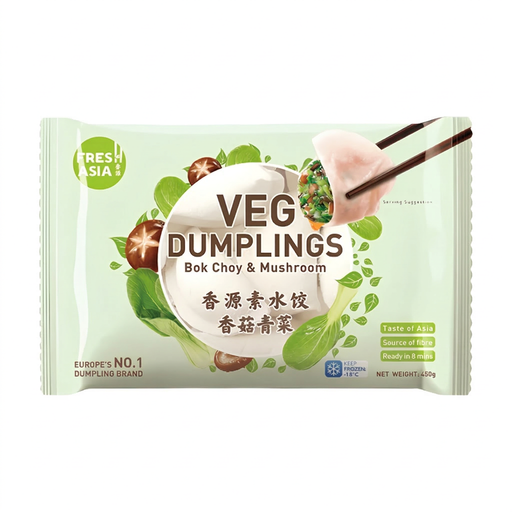
Why This Fits Their Persona: Perfect for vegetarians or anyone seeking a lighter, plant-based meal. This user wants a frozen vegetable dumpling that doesn't compromise on flavour and texture, moving beyond simple cabbage fillings.
It avoids the bland filling trap common in vegetarian options by using a flavourful combination of shiitake mushrooms, tofu and green vegetables. This creates a savoury, umami-rich filling with varied textures.
A satisfying and savoury vegetarian option. The combination of ingredients provides a more complex flavour profile than many other vegetable dumplings on the market.
We have compiled a complete, real-time list of products that fully satisfy these strict selection criteria and UK safety regulations.
1. How do I cook frozen dumplings so they don't stick to the pot or each other? For boiling, use a large pot with plenty of rapidly boiling water. This gives the dumplings space to move. Add the frozen dumplings and stir gently once to prevent them from sticking to the bottom. Once they float, they are nearly done. For pan-frying, ensure you use a non-stick pan with a thin layer of oil. For steaming, lightly oil the surface of the steamer or place the dumplings on thin slices of carrot or cabbage leaves.
2. Can I cook frozen gyoza in an air fryer? Yes, an air fryer is a great way to get a crispy, less oily result. Lightly toss the frozen gyoza or dumplings in about a teaspoon of oil. Place them in a single layer in the air fryer basket. Cook at around 190°C (375°F) for 10-12 minutes, shaking the basket halfway through, until they are golden brown and cooked through.
3. What is the difference between dumplings, gyoza and wontons? While all are types of filled parcels, there are key differences. Dumplings (Jiaozi) are a broad category in Chinese cuisine with wrappers that can be thick or thin and they are often boiled or pan-fried. Gyoza are the Japanese equivalent, typically pan-fried and are known for their thinner skins and crescent shape. Wontons have the thinnest, often square, wrappers and are most commonly served in a broth or soup.