
24/7 Customer Support

Free returns

Same-day & Next-day Delivery

Quality Guaranteed

Unlock Your Welcome Offers: FREE Delivery | Up to 80% OFF | Free 30-day JoyPlus trial
Download the APP
Frozen edamame is a convenient freezer ingredient for UK households, whether you want a quick side dish, a protein-focused vegan snack or a simple addition to stir-fries and salads. However, products labelled as edamame beans can vary considerably in format, seasoning, preparation time and allergen information.
A thoughtful purchase starts with checking what is actually in the bag—not just the serving suggestion on the front.
Shelled edamame is ready to add to rice, noodles, soups and salads. Edamame in pods takes slightly longer to prepare and is usually eaten by squeezing the beans from the cooked pod. The pod is not normally eaten.
Buying the wrong format can make a product inconvenient for your intended recipe. For meal preparation, frozen edamame beans without shells are usually easier to portion. For sharing, barbecues or a Japanese-style appetiser, pods create a more traditional serving experience.
Salted edamame may contain added salt in the beans or on the outside of the pods. For example, Yutaka Ready Salted Edamame lists soybeans at 99.5% and salt at 0.5%, with 0.73g of salt per 100g. This is different from plain edamame, where the ingredient list may contain only soybeans.
Always check the salt value per 100g, particularly if you plan to add soy sauce, seasoning mixes or salted toppings during cooking.
Some products cook from frozen, while others provide instructions for boiling, steaming or pan-frying. Once thawed, frozen edamame should not be refrozen. Storage instructions commonly specify -18°C or below, and opened packs may need to be refrigerated and consumed within a stated period.
Frozen food should also remain properly chilled during delivery. If the product has thawed substantially, check the packaging guidance before storing or cooking it.
Choose according to how you will use the product:
Plain frozen edamame generally contains soybeans only, but soy is a regulated allergen that must be declared clearly on the label. Prepared products may also contain wheat, gluten, egg, sesame, fish or shellfish.
For instance, edamame gyoza can include wheat flour, soy sauce and textured wheat protein, while fish cakes containing edamame may include fish and egg. Read the full ingredients and allergen statement rather than relying on the word “edamame” alone.
Per-100g nutrition panels make comparisons easier. Listed products vary: WEL-PAC Edamame Amoi Reg provides 12g protein per 100g, while the in-pod Honor product lists 11g protein per 100g. Hapi Dry Roasted Edamame lists 45g protein per 100g, but it is a dry snack with a concentrated texture and should be portioned accordingly.
Also compare salt, fat, carbohydrate and fibre, not just protein. A plain frozen pack may give you more control over seasoning than a prepared or roasted snack.
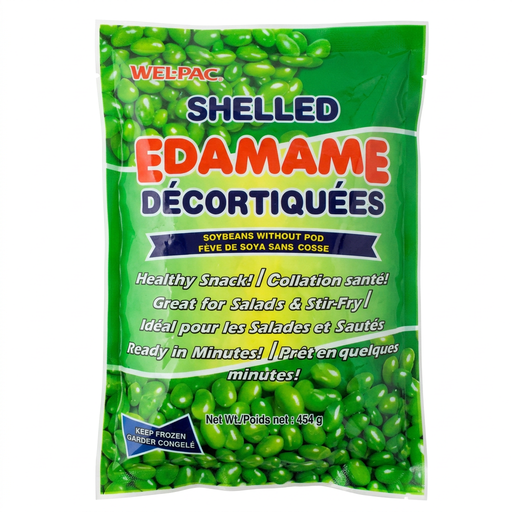
Why This Fits Their Persona: A straightforward pack for students, first-time buyers and households wanting a flexible freezer staple without added seasoning.
The shelled format avoids the inconvenience of removing beans from pods, and the listed ingredient is soybeans.
454g pack; suitable for salads, stir-fries, rice dishes and soups; no added salt listed.
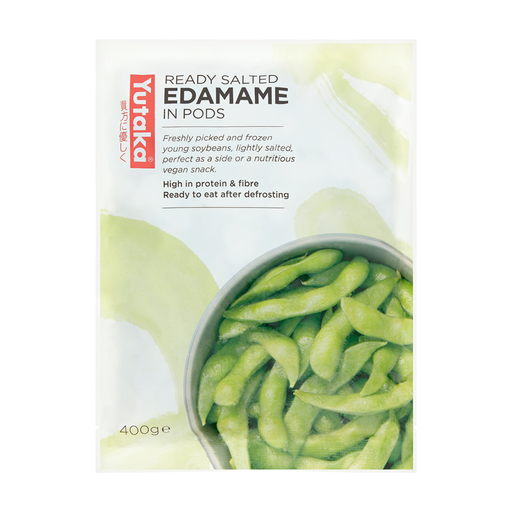
Why This Fits Their Persona: A convenient Japanese edamame option for shoppers who want seasoned pods for appetisers or relaxed home entertaining.
The product clearly identifies both soybeans and salt, helping buyers account for seasoning before adding more.
400g pack; 12.1g protein per 100g; frozen pods with preparation guidance.
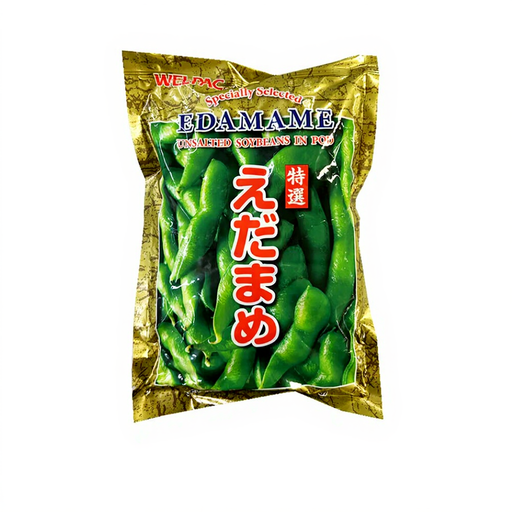
Why This Fits Their Persona: A useful option for regular home cooks who batch-prepare meals and need shelled beans for several recipes.
It is labelled as shelled frozen soybeans, so the format is clear before purchase and does not require pod preparation.
454g pack; 12g protein per 100g; instructions state that it can be simmered for 5–6 minutes.

Why This Fits Their Persona: Designed for work bags, travel and cupboard storage when a crunchy high-protein vegan snack is more convenient than cooking.
It is a dry roasted snack rather than a frozen cooking ingredient, making the eating format clear from the start.
100g resealable-style snack format; ingredients listed as soya beans and salt; 45g protein per 100g on the supplied nutrition panel.
We have compiled a complete, real-time list of products that fully satisfy these strict selection criteria and UK safety regulations.
Follow the pack instructions. Many frozen edamame products can be boiled from frozen for around four to eight minutes, while shelled varieties may be simmered or steamed. Cook until tender and fully heated through, then drain. Avoid refreezing after thawing.
Keep unopened frozen edamame at -18°C or below and follow the best-before information on the packaging. Once thawed or opened, storage times differ by product. Some labels advise refrigeration and consumption within one day, while others state two to three days. The pack instructions take priority.
Plain edamame beans are soybeans and are generally suitable for vegan and vegetarian diets when no other ingredients are added. However, prepared foods require a separate check. Edamame gyoza may contain wheat and other seasonings, while edamame fish cakes are not vegetarian. Always read the ingredient list and allergen declaration, especially for soya, wheat, egg, fish and sesame.