Families sharing an evening meal
A larger pack can serve a household, but decide what the older person will actually be served. Pack size alone cannot tell you whether that portion suits them or whether everyone can eat the same dish.


A family-size frozen meal can work when an older adult shares a meal with the household, can eat the same food safely and receives a suitable individual portion. A single meal or separate frozen components may be easier to adapt when appetites or dietary needs differ; if someone has swallowing difficulty or a prescribed texture, follow their Speech and Language Therapist’s guidance rather than assuming a standard meal is suitable.
A larger pack can serve a household, but decide what the older person will actually be served. Pack size alone cannot tell you whether that portion suits them or whether everyone can eat the same dish.
If an older adult is eating less or losing weight unintentionally, an individually portioned meal may be easier to offer than a large shared serving. East Suffolk and North Essex NHS Foundation Trust advises paying attention to energy and protein intake when poor appetite makes it difficult to eat enough; seek individual clinical advice where needed.
An ordinary frozen meal should not be chosen by how soft it looks. NHS Tayside advises following the person’s Speech and Language Therapist’s instructions for food texture and fluid consistency.
Choose a meal format first, then assess the portion the older person will receive—not just the size or description of the pack.
Consider it when: Everyone can eat the same dish safely and the older person’s serving can be adjusted to suit them.
Keep in mind: A shareable pack does not establish the nutrition or suitability of any one diner’s portion.
Consider it when: Appetites, meal times or food requirements differ across the household.
Keep in mind: Components need preparation and still need to form a suitable served meal.
Required when advised: Follow the prescribed food texture and fluid consistency for a person with dysphagia, as NHS Tayside advises.
Keep in mind: NHS England warns that descriptions such as “soft diet” are too imprecise to replace specific texture guidance.
| Priority | What to check | Your needs |
|---|---|---|
| Individual portion | Check the stated servings and nutrition per serving; compare the amount you will actually serve with the whole-pack figure. Consider other foods eaten across the day or week, as the NHS Eatwell Guide advises. | We share dinner, but the older person may want a different-sized serving from everyone else. |
| Protein and energy | Check the meal’s ingredients and nutrition declaration. Where a clinician has advised a particular diet, assess the served portion against that advice rather than relying on a pack description. | If someone is eating less or losing weight unintentionally, I would not choose a lower-calorie option simply because it sounds preferable. |
| Nutrition labels | Compare similar meals on the same per-100g or per-serving basis. Where traffic-light labelling appears, use it as an initial view of fat, saturates, sugar and salt, then read the full label. | I want a quick way to compare recipes without treating one label colour as the whole answer. In the Food Standards Agency and Ipsos Northern Ireland’s 2024 tracker, 49% of 611 adults interviewed in Northern Ireland between 16 September and 23 November actively used traffic-light labelling when shopping for food; that figure describes label use, not older adults’ frozen-meal priorities. |
| Ingredients and allergens | Read the ingredients and allergen information on the exact pack. Check that every diner can eat the selected recipe before planning one shared meal. | One household meal only works for us if its ingredients suit the person receiving each portion. |
| Chewing and swallowing | Follow the individual’s Speech and Language Therapist’s specified texture and fluid consistency. Do not use appearance or a description such as “soft” in place of that guidance, as NHS England and NHS Tayside advise. | If swallowing is difficult, I need food that meets the person’s clinical instructions, not just a convenient family dish. |
A pack made for sharing does not define the older person’s serving. The NHS Eatwell Guide also considers dietary balance across a day or week, not one dish in isolation.
Decide on the individual portion, read its nutrition information and consider which other foods will accompany the meal.
East Suffolk and North Essex NHS Foundation Trust notes that poor appetite can make it difficult to eat enough. The NHS also identifies several possible causes of unintentional weight loss.
If appetite has fallen or weight loss is unexplained, seek advice from an appropriate healthcare professional rather than making calorie reduction the aim of the meal choice.
NHS England reports patient-safety incidents associated with imprecise food-texture descriptions. A meal that appears easy to chew is not thereby suitable for someone with dysphagia.
Follow the person’s specified texture and fluid-consistency guidance from their Speech and Language Therapist before selecting or preparing food.
Terms such as “family meal” describe a format, not an individual portion’s ingredients, nutrition or allergens.
Read the current pack’s serving information, ingredients, allergens and cooking instructions before choosing it for a regular shared meal.
These retailer ranges illustrate different pack formats; a retailer’s range does not establish whether a particular meal suits an older person.
Marks & Spencer lists frozen dishes in shareable formats, including a 615g seafood bake, 640g and 650g pies, and a 1kg salmon en croute.
Waitrose lists 400g individual frozen dishes alongside selected 800g meals for two.
Tesco Groceries separates frozen family meals, meals for two, free-from and vegetarian or vegan choices in its ready-meal category, which also includes individual 400g meals.
Iceland Foods has a dedicated family-ready-meals category within its frozen ready-meal range.
These products are chicken components and a vegetable side for assembling a meal, not complete family-size frozen ready meals. Plan each person’s serving and check the exact pack before use.
 No image available
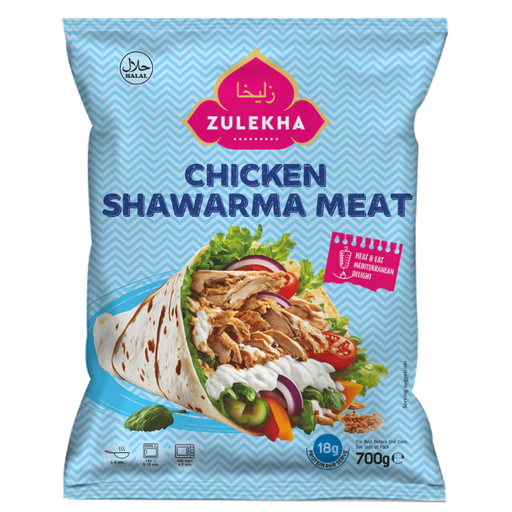
Consider this chicken component when assembling separate portions for a shared meal. The pack is 700g; plan the accompanying foods and check the amount served to each person. Check the exact pack for allergens and cooking instructions.
 No image available
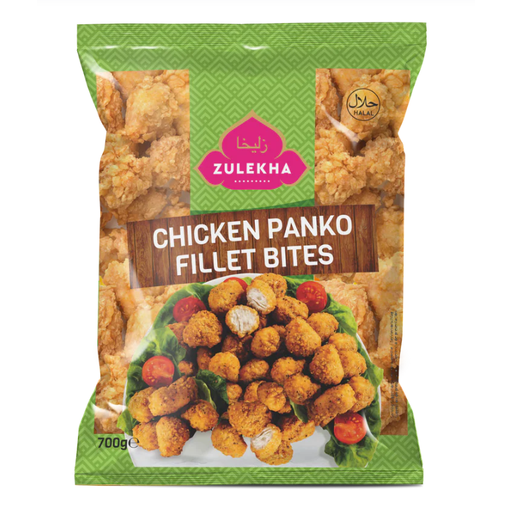
These chicken bites are a component to prepare and serve with other suitable foods, rather than a complete ready meal. The pack is 700g. Check its allergens, cooking directions and the portion served to the older person.
 No image available
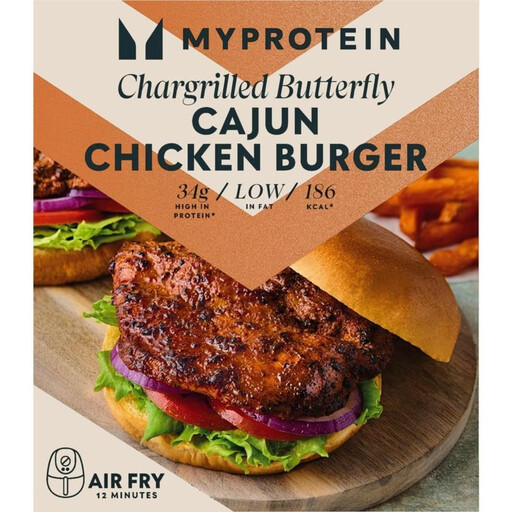
The two-pack format offers a way to plan separate servings, but these chicken burgers are not a complete family meal. The pack totals 300g; plan any accompanying foods and follow its cooking instructions.
 No image available
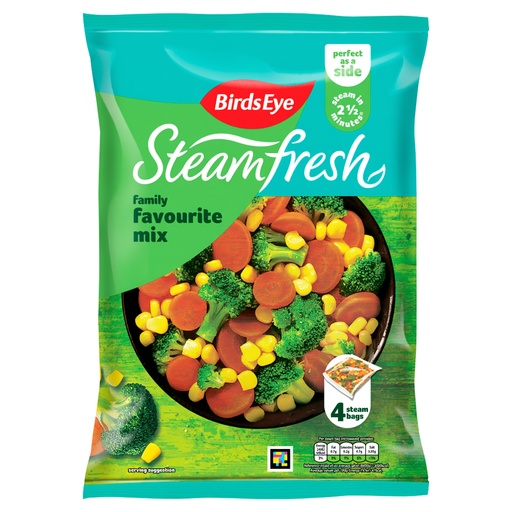
Use this vegetable mix as a side when assembling a shared meal, not as a complete meal. The pack contains four steam bags and totals 540g. Plan the main component separately and follow the pack’s preparation directions.
No. A shareable pack does not establish whether the older person’s portion suits their needs. Check the exact meal’s servings, nutrition, ingredients and texture, and consider the rest of the day’s food; the NHS Eatwell Guide assesses balance over a day or week.
Not as a default. East Suffolk and North Essex NHS Foundation Trust notes that poor appetite can make it difficult to eat enough. If intake has fallen or weight loss is unplanned, ask an appropriate healthcare professional about the person’s needs rather than choosing by a calorie description alone.
Do not decide from the food’s appearance or a general description such as “soft”. Follow the person’s Speech and Language Therapist’s specified food texture and fluid consistency; NHS England warns that imprecise texture terms can create safety risks.
Follow the storage and cooking directions on that product’s pack rather than borrowing timings from another meal. Food Standards Agency guidance gives checking that cooked food is piping hot before serving as an example of consumer cooking instructions.
Seek advice from a GP or another appropriate healthcare professional rather than relying only on a different frozen meal. The NHS notes that unintentional weight loss can have several causes, including poor nutrition or lack of appetite, and can occur without an apparent change in eating.