
24/7 Customer Support

Free returns

Same-day & Next-day Delivery

Quality Guaranteed

Unlock Your Welcome Offers: FREE Delivery | Up to 80% OFF | Free 30-day JoyPlus trial
Download the APP
Frozen fish balls are a convenient way to add texture and seafood flavour to hot pot, noodle dishes, soups and stir-fries. However, packs that look similar can vary considerably in fish content, allergens, cooking requirements and portion size.
Before you buy frozen fish balls, watch for three common pitfalls:
Look at the ingredient list rather than relying only on terms such as Asian fish balls, fish cake balls or surimi fish balls. A higher stated fish percentage can indicate a more seafood-focused product, but starch, oil and seasonings still influence the final texture.
Traditional Chinese fish balls and Japanese fish balls may have a springy bite, while cuttlefish balls usually offer a firmer, more pronounced seafood texture. Stuffed fish balls contain a filling, such as pork, so they cook and taste differently from plain white fish balls.
For example, Freshasia WanJiang Fish Balls 200g lists 77% Japanese threadfin bream, while FIGO White Fish Ball 400g lists 77% fish meat. By comparison, a mixed product may combine fish with other meatballs or seafood-style ingredients.
UK food labels must identify regulated allergens, normally through emphasis in the ingredients list. Check the pack every time, particularly if you need halal fish balls, avoid gluten or have a seafood allergy.
Potential allergens in this category include:
Figo Taro Fish Ball 200g is described as halal-certified and lists fish from surimi as its allergen, while lobster-style products may contain fish, wheat and egg and may also indicate possible crustacean or mollusc contact. Always use the current packaging as the final reference.
Frozen seafood balls should normally be stored at -18°C or below. Do not refreeze after thawing unless the packaging specifically states otherwise. When shopping online, consider delivery timing and freezer space, especially for larger packs.
Most products require thorough cooking. Many can be added directly from frozen to simmering soup or hot pot broth for around 3–7 minutes, although the exact time differs by product size and filling. Pre-fried fish balls may also be suitable for baking, air-frying or deep-frying, but they still need to be heated thoroughly.
Do not consume cooking-required fish balls raw. Follow the printed instructions, and ensure the centre is piping hot before serving.
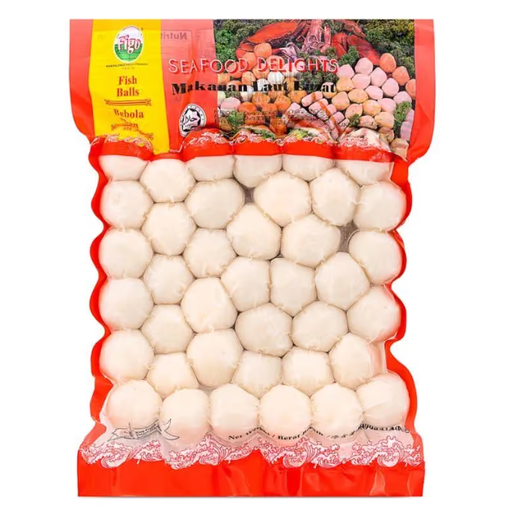
Why This Fits Their Persona: The 400g pack gives new shoppers more flexibility for soup, noodles or a small hot pot without moving immediately to a larger bulk pack.
The label states 77% fish meat, allowing shoppers to compare fish content rather than choosing based only on appearance or flavour wording.
400g net weight; listed at 91 kcal per 100g; suitable for soups, hot pot and stir-fries.
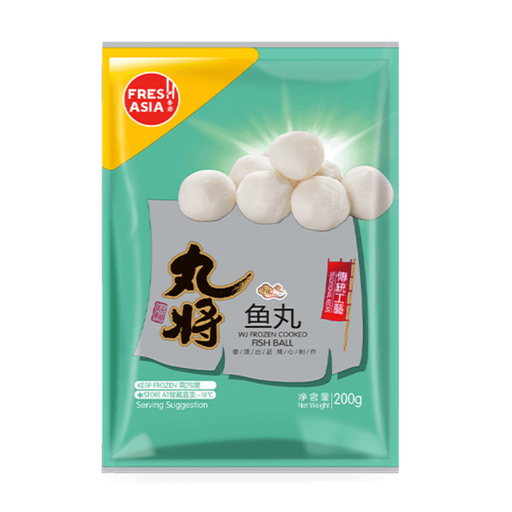
Why This Fits Their Persona: This is suited to shoppers prioritising a clearly stated fish percentage and a traditional springy texture for hot pot or soup.
The product information identifies Japanese threadfin bream at 77%, while clearly listing fish and egg allergens.
200g portion; 9.6g protein per 100g as listed; can be boiled, pan-fried or grilled.
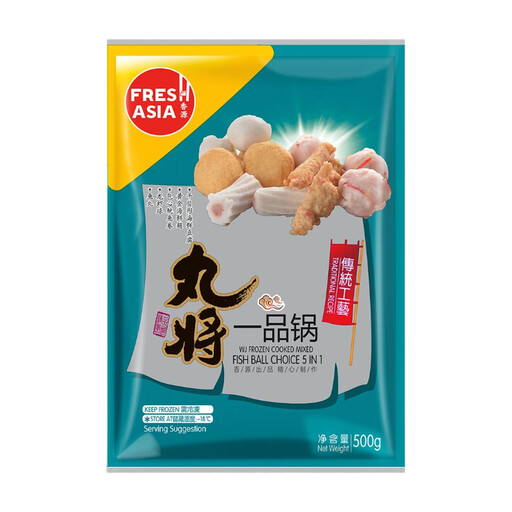
Why This Fits Their Persona: A 500g pack works well for households hosting hot pot, preparing several noodle bowls or stocking frozen Asian food for convenient meals.
The ingredient list identifies a 70% fish surimi base and separately discloses squid and artificial crab flavour, helping shoppers understand the mixed profile.
500g pack; suitable for hot pot, soups and stir-fries; contains fish, soya, egg, wheat and mollusc allergens.
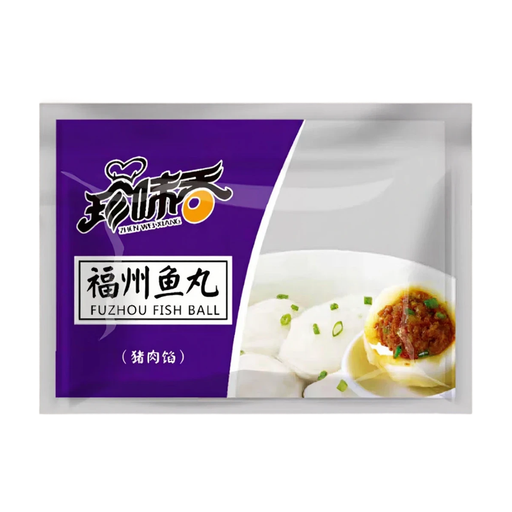
Why This Fits Their Persona: The filled centre adds variety to clear soups, noodle dishes and hot pot, making it suitable for diners who want more than a plain fish ball.
The product description identifies silver carp at 40%, pork filling and soya, so buyers can assess the recipe before ordering.
300g pack; designed for hot pot and soup; cooks from frozen in boiling liquid for approximately 3–5 minutes.
We have compiled a complete, real-time list of products that fully satisfy these strict selection criteria and UK safety regulations.
For a stronger seafood flavour, consider cuttlefish balls, such as FRESHASIA Wanjiang Cuttlefish Ball 200g, which lists 12.1% cuttlefish alongside fish surimi. If you prefer a softer, mixed texture, Freshasia Doufu Fish combines fish tofu with soya-based tofu. For a taro variation, FIGO Taro Fish Ball 200g is a halal-certified option according to its product information.
Shoppers looking to buy fish balls online UK should compare net weight, delivery conditions, storage requirements and the number of servings rather than only the listed price. A larger pack may offer a lower cost per 100g, but only if you have enough freezer capacity and expect to use it before quality declines after opening.
Many products can be added directly from frozen to boiling water, soup or hot pot broth. Cooking times commonly range from 3–7 minutes. Always follow the specific pack instructions, as stuffed, larger or raw fish balls may require longer cooking.
Keep the remaining product frozen at -18°C or below, seal it securely and do not refreeze it after thawing. If the instructions allow refrigeration after opening, consume it promptly and follow the stated time limit.
Yes. Plain fish balls, Chinese fish balls, Japanese fish balls, lobster balls and stuffed fish balls are commonly used in hot pot, soups and noodle dishes. Add them according to their cooking instructions and ensure they are fully heated in the centre before serving.