
24/7 Customer Support

Free returns

Same-day & Next-day Delivery

Quality Guaranteed

Unlock Your Welcome Offers: FREE Delivery | Up to 80% OFF | Free 30-day JoyPlus trial
Download the APP
Frozen fish balls are a convenient way to add texture and seafood flavour to hot pot, noodle soup, stir-fries and quick snacks. However, packs that look similar can differ considerably in fish content, allergens, cooking requirements and texture.
For UK shoppers, the main challenge is separating useful product information from vague descriptions such as “authentic”, “premium” or “seafood-style”. The label matters more than the front-of-pack image.
Some products contain fish alongside starch, oil, egg, soya protein or molluscs. Others may be mixed products containing crab flavour, squid or pork filling. A higher fish percentage generally gives you clearer information about the product’s composition, but it does not automatically determine texture or flavour.
Check the quantitative ingredient declaration before buying. For example, some products list fish at 77%, while others include around 39–52% fish or surimi alongside starch and other seafood ingredients.
Also check the product type carefully. Not every ball-shaped frozen snack is a fish ball: the Kibun AGE BALL FZN, for example, lists potato, vegetable oils, wheat flour and soya protein in its supplied ingredient information.
Many Asian fish balls are ready to cook rather than ready to eat. This distinction is important. Frozen raw or partially prepared products must be heated thoroughly, even if they are pre-shaped or pre-fried.
Cooking instructions vary from approximately three to ten minutes depending on the product and method. Do not assume that a ball floating in broth is automatically safe; use the pack instructions and make sure the centre is piping hot.
Asian fish balls can contain or may contain fish, molluscs, crustaceans, egg, wheat, gluten, soya beans, milk or sesame. Filled products may include pork, soya sauce and wheat, while cuttlefish and squid balls contain molluscs.
Read the full ingredient list every time, particularly when catering for allergies. A product with a simple fish recipe may still be manufactured on equipment handling other allergens.
Surimi is minced and processed fish used in many frozen seafood balls. Look for the named fish species and percentage where available. A product such as FIGO White Fish Ball lists 77% fish meat, while Freshasia WanJiang Fish Balls lists 77% Japanese threadfin bream.
By contrast, a mixed or flavoured product may include fish surimi plus squid, crab flavour, egg white, wheat and soya. This is not necessarily a disadvantage; it simply gives a different eating experience. Choose a higher fish-content option for a straightforward seafood flavour or a mixed recipe when variety is more important.
Texture ranges from soft and tender to springy, firm and chewy. Fuzhou fish balls may have a smooth outer layer with a savoury pork centre, while cuttlefish balls often have a firmer bite.
For fish balls for hot pot or soup, select products designed to hold their shape in simmering liquid. For frying or grilling, pre-fried fish balls can provide a browned exterior with less preparation.
Small packs around 160–200g suit one or two meals and reduce opened-pack waste. Larger 400g–1kg packs are more practical for families, regular hot pot meals or batch cooking.
Check that the freezer can maintain -18°C or below, and do not refreeze after thawing. Many products can be cooked directly from frozen, which is useful when preparing a quick weekday meal. Follow the individual pack instructions rather than relying on a general cooking time.
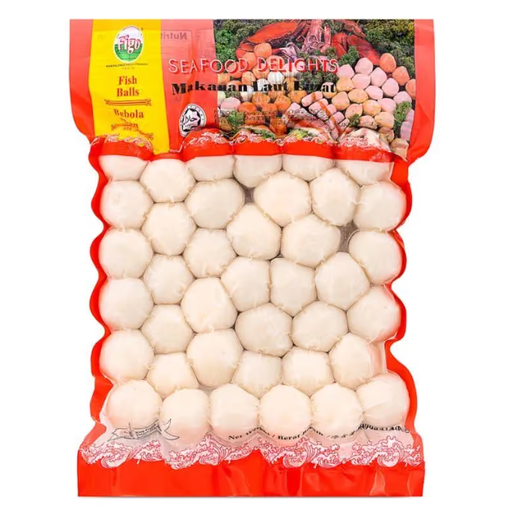
Why This Fits Their Persona: The 400g pack offers a practical starting point for soups, noodles and hot pot without committing to a bulk 1kg purchase.
The ingredient information states 77% fish meat, making the main composition easier to assess than a product described only as seafood-style.
400g net weight; 77% fish meat listed; suitable for a range of everyday dishes.
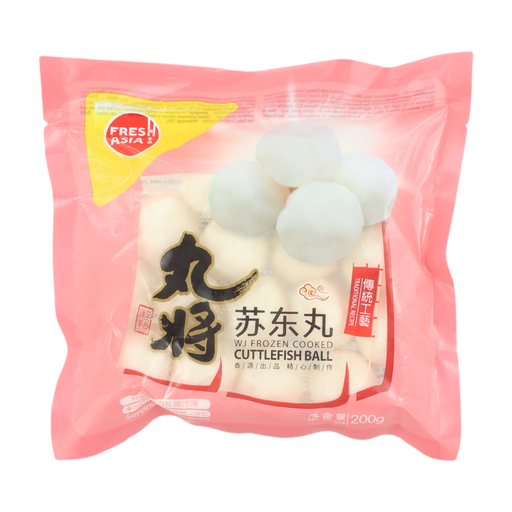
Why This Fits Their Persona: A suitable choice for shoppers seeking a more pronounced seafood profile and a firmer, bouncy texture in hot pot or noodle dishes.
The label identifies 39% surimi and 12.1% cuttlefish, so shoppers can distinguish it from a plain white fish ball.
Contains cuttlefish; suitable for hot pot, soup, noodles and deep-frying; cooks from frozen.
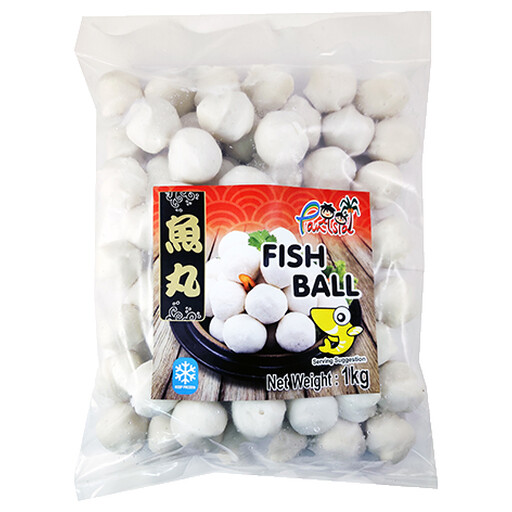
Why This Fits Their Persona: The larger pack is suited to regular hot pot sessions, family meals and cooks who use frozen seafood balls frequently.
A clearly stated 1kg quantity helps heavy users compare pack value instead of repeatedly buying small bags.
1kg net quantity; practical for group meals and repeated hot pot or soup preparation.
We have compiled a complete, real-time list of products that fully satisfy these strict selection criteria and UK safety regulations.
Most products can be added directly from frozen to boiling water, soup or hot pot broth. Cooking times commonly range from three to seven minutes, although some tofu-style products require longer. Follow the instructions on the specific pack and serve only when thoroughly heated.
Some pre-fried fish balls are suitable for air-frying or baking, while raw products may be intended for boiling, steaming or pan-frying. Check the packaging before using an air fryer. Avoid thawing unless the instructions specifically recommend it.
Keep them at -18°C or below and follow the best-before date printed on the packaging. Once thawed, do not refreeze. After opening, store any unused product as directed and cook it thoroughly before eating.