
24/7 Customer Support

Free returns

Same-day & Next-day Delivery

Quality Guaranteed

Unlock Your Welcome Offers: FREE Delivery | Up to 80% OFF | Free 30-day JoyPlus trial
Download the APP
Frozen fish balls are a convenient way to add seafood flavour and a springy texture to hot pot, noodle soups, stir-fries and quick family meals. However, packs that look similar can differ significantly in fish content, fillings, allergens, texture and cooking requirements.
For UK shoppers, the main challenge is separating useful product information from vague descriptions such as “premium texture” or “authentic taste”. The label, ingredient percentages and storage instructions provide more practical guidance than front-of-pack marketing.
Some products contain a high proportion of fish, while others include more starch, water or additional fillings. A higher fish percentage does not automatically suit every recipe, but it can help shoppers compare products objectively.
For example, Freshasia WanJiang Fish Balls list 77% Japanese threadfin bream, while some flavoured or filled products use a lower fish percentage alongside pork, taro, starch or seasonings. If you want a cleaner seafood flavour for soup or noodles, check the quantitative ingredient declaration rather than relying on the product name.
Chinese fish balls and Fuzhou fish balls may contain a savoury pork centre. Fish balls with pork filling can be satisfying in clear broth, but they are not suitable for vegetarians, consumers avoiding pork or anyone who has not checked the full ingredient list.
Allergen information is equally important. Depending on the recipe, Asian fish balls may contain fish, egg, wheat, soya, sesame, molluscs or crustaceans. A product described as a white fish ball may still contain egg albumin, wheat starch or soya protein. Always read the packaging, particularly if you have a food allergy or are cooking for guests.
Many frozen fish balls require cooking and should not be eaten directly from the packet. Products can be suitable for cooking from frozen, but the required time varies. Some need around three to five minutes in simmering broth, while mixed products may need five to eight minutes.
Keep them at -18°C or below, follow the best-before information on the pack and do not refreeze after thawing. When cooked, the centre should be piping hot and fully heated through.
Look for the percentage of fish, the type of fish used and any additional seafood. White fish balls generally have a mild flavour and work well in soup, noodles and hot pot. Malaysian fish balls may include tapioca starch, garlic, palm oil or cuttlefish, creating a firmer or more aromatic bite.
For a regional Chinese style, Fuzhou fish balls are often associated with a tender outer layer and a savoury pork filling. If you prefer variety, fish roe balls or fish roe-filled products offer a different centre and texture. Check the product description carefully, as “fish roe” products may use a separate filling format rather than a traditional round fish ball.
A 160g–200g pack is practical for one or two portions, a trial purchase or a small freezer. A 300g–500g pack is more suitable for family soup, shared hot pot or several noodle dishes. A 1kg pack can offer convenience for frequent cooking, but only choose it if your freezer has adequate space and you are likely to use it before quality declines.
Check whether the product is intended for boiling, steaming, pan-frying or stir-frying. Some fish balls can be added directly to a simmering soup, while others may need thawing for frying.
For halal fish balls, look for a clear halal certification or statement on the current packaging. A Malaysian taro fish ball can be suitable for shoppers seeking halal options, but certification and ingredients should always be verified from the product label rather than assumed from the country of origin.
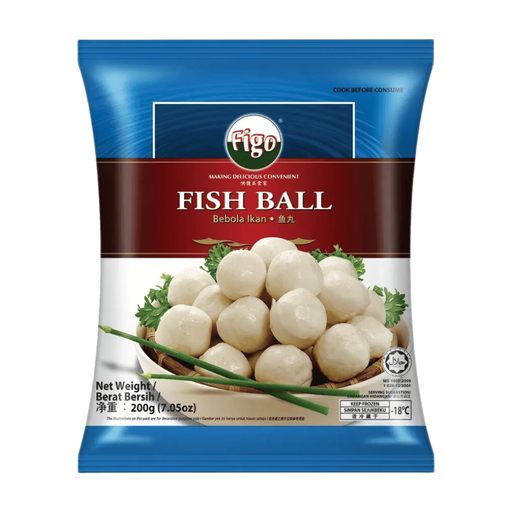
Why This Fits Their Persona: The smaller pack suits first-time buyers, single households and UK cooks who want to try white fish balls without committing to a large freezer pack.
The 200g quantity makes portion planning easier and the product information identifies fish and egg allergens clearly.
Small format; suitable for soups, hot pots and stir-fries; made with 80% surimi according to the listed ingredients.
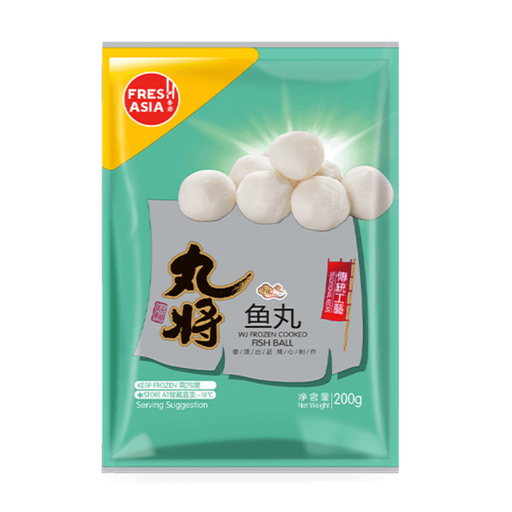
Why This Fits Their Persona: This option suits shoppers prioritising a high stated fish percentage and a straightforward seafood flavour for carefully prepared home dishes.
The listed recipe states 77% Japanese threadfin bream, helping buyers compare fish content instead of relying on broad quality language.
77% stated fish content; suitable for boiling, pan-frying, hot pot and soups.
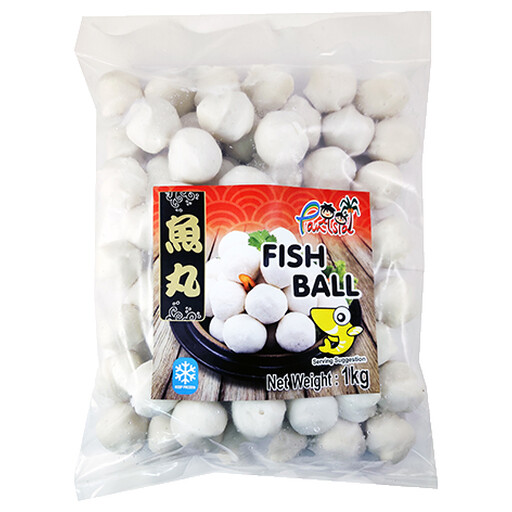
Why This Fits Their Persona: A 1kg pack is designed for regular hot pot meals, larger households and cooks who prepare frozen hot pot ingredients frequently.
The larger net quantity is clear, allowing frequent users to compare cost per serving and reduce repeated small-pack purchases.
1kg quantity; suitable for group hot pot, soup and noodle preparation.
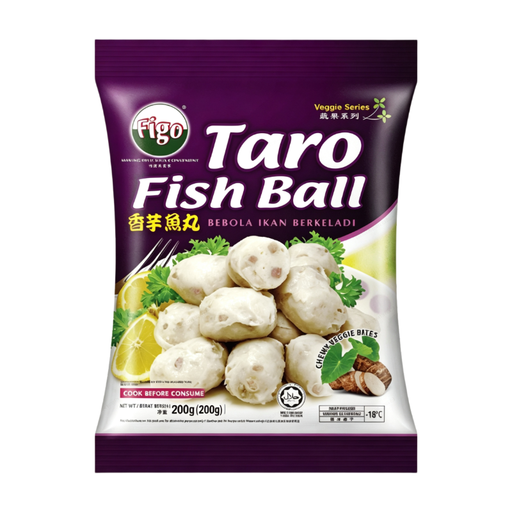
Why This Fits Their Persona: This Malaysian product suits shoppers looking for a taro-based variation, a smaller quantity and a halal-certified option.
The ingredient information identifies 57% surimi and 26% taro, while the product details state halal certification and list the allergen position.
Distinctive taro flavour; 200g pack; suitable for soup, noodles and stir-fries.
We have compiled a complete, real-time list of products that fully satisfy these strict selection criteria and UK safety regulations.
Follow the best-before date and storage instructions printed on the packaging. They should remain continuously frozen at -18°C or below. Quality may change if the pack has thawed and been refrozen, so do not refreeze after defrosting.
Many products are designed for direct cooking from frozen. Add them to boiling water, soup or hot pot and cook until piping hot throughout. Timing can range from around three to eight minutes, so follow the specific product instructions.
Yes. White fish balls, Chinese fish balls, Malaysian fish balls and Fuzhou-style varieties can all work in soups and noodle dishes, provided they are cooked correctly. Choose filled or flavoured versions when you want extra texture and check allergens before serving.