
24/7 Customer Support

Free returns

Same-day & Next-day Delivery

Quality Guaranteed

Unlock Your Welcome Offers: FREE Delivery | Up to 80% OFF | Free 30-day JoyPlus trial
Download the APP
Frozen fish balls are a convenient way to add seafood flavour and a springy texture to hot pot, noodle dishes, soups and stir-fries. They also cover a wide range of styles, from Chinese fish balls and Fuzhou fish balls to Japanese fish cakes, cuttlefish balls, squid balls and fish tofu.
However, packs that look similar can differ considerably in fish content, allergens, preparation method and serving size. This guide from the Joybuy Product Recommendation Officer explains what to check before buying, then matches selected products to different cooking needs.
The term “fish ball” does not indicate a fixed fish percentage. Some products contain a substantial proportion of surimi, while others include starch, oil, tofu, pork filling or vegetable ingredients. For a clearer comparison, check the quantitative ingredient declaration, such as “fish 60%” or “fish surimi 77%”.
A higher fish percentage does not automatically suit every dish, but it gives you more useful information than front-of-pack descriptions such as “authentic” or “premium”.
Most frozen Asian food products in this category require thorough cooking. Some are pre-fried, such as fried fish balls, but still need reheating. Others must be boiled, simmered, fried or steamed before serving.
Read the preparation instructions carefully. A product that can be added directly from frozen to a hot pot is more convenient, while a raw Fuzhou-style fish ball may need several minutes in boiling broth before it is ready.
Fish balls and fish cakes may contain fish, egg, soya, wheat, molluscs or crustaceans. Cuttlefish balls and squid balls are not suitable for anyone avoiding molluscs, while crab-flavoured fish tofu may contain crustacean ingredients or flavourings.
Keep products at -18°C or below, follow the best-before information on the packaging and do not refreeze after thawing. If packaging shows signs of damage or the product appears to have thawed and refrozen, choose another pack.
Compare the ingredient list and declared percentages rather than relying only on the product name. For example:
These details help you choose between a straightforward fish flavour, a softer tofu texture or a more varied seafood-style mix.
For fish balls for hot pot or soup, look for products that can be cooked directly from frozen and have clear simmering times. Traditional Chinese fish balls often have a bouncy texture, while fish tofu is softer and absorbs broth readily.
Japanese fish cakes, such as grilled mini chikuwa, are shaped differently and can work in bento boxes, noodle dishes and stir-fries. Thai fish cakes usually include herbs, chilli or vegetables and may be better suited to frying or serving with a dipping sauce.
A 160g or 200g pack can suit a student, couple or occasional meal. A 500g pack is more practical for family hot pots, batch cooking or restaurants. The PAN ASIA Fish Balls 1kg pack is designed for higher-volume use, although buyers should check the complete label and preparation details before ordering.
Also check whether the product is raw, pre-fried or simply frozen and ready to cook. Cooking times vary, so use the packaging instructions and ensure the centre is fully heated before serving.
The following selections are matched to different shopping profiles. Product details, ingredients and allergen information should be checked again on the current packaging before purchase.
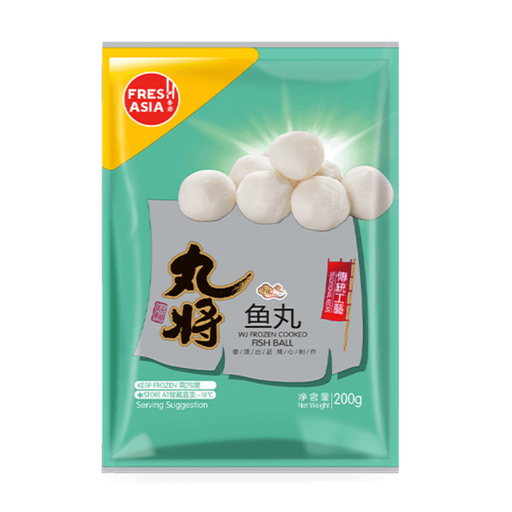
Why This Fits Their Persona: A compact 200g pack suits first-time buyers, students and smaller households looking to try Chinese fish balls without committing to a large quantity.
The listed Japanese threadfin bream content is 77%, making the ingredient balance easy to compare with starch-heavy alternatives.
Suitable for hot pot, soups, stir-fries or pan-frying; can be boiled from frozen.
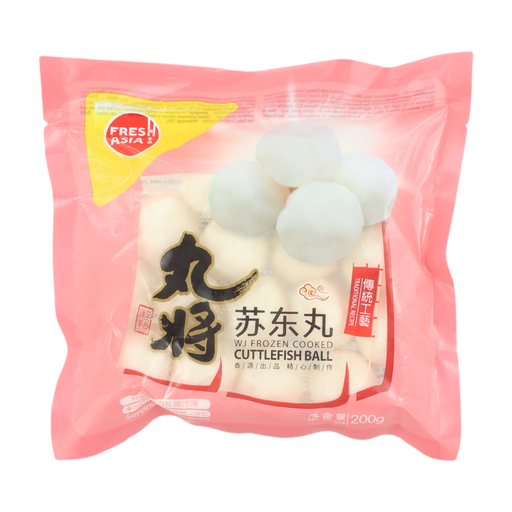
Why This Fits Their Persona: Suitable for shoppers who want a firmer seafood texture and a cuttlefish flavour for hot pot, noodles or fried serving.
The pack specifies 39% threadfin bream surimi and 12.1% cuttlefish, so the seafood components are clearly stated.
Works in boiling broth or deep-frying; contains fish, molluscs and egg, which are clearly declared allergens.
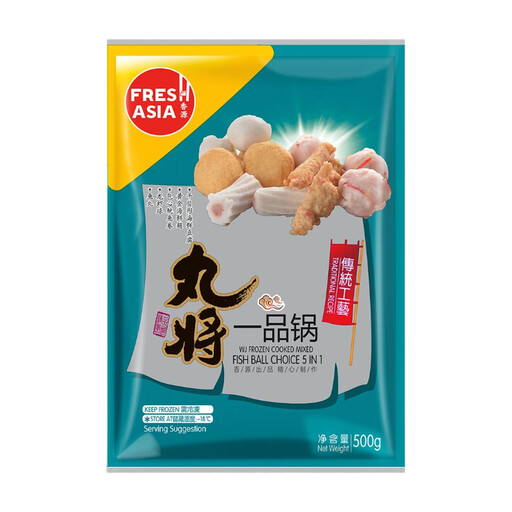
Why This Fits Their Persona: The 500g format offers variety for shared hot pots, family noodle soups and several meals during the week.
The product gives a 70% fish surimi declaration and identifies squid at 0.2%, rather than leaving the seafood mix vague.
Assorted flavour profile; suitable for hot pot, soups, stir-fries and fried snacks.
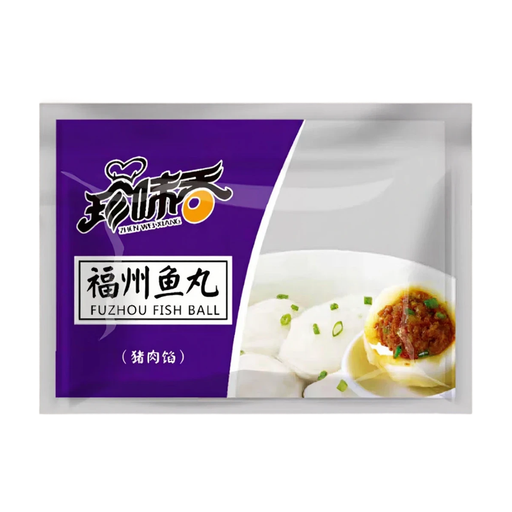
Why This Fits Their Persona: Designed for shoppers seeking filled Fuzhou fish balls for clear soups, noodles or hot pot rather than plain fish balls.
The ingredients state 40% silver carp and include pork filling, making the filled format clear before purchase.
300g pack; suitable for cooking from frozen in broth or boiling water for approximately 3–5 minutes.
For a different flavour or cooking style, consider PAN ASIA Squid Balls, PAN ASIA Lobster Balls, FIGO Thai Fish Cake, Freshasia Doufu Fish or Freshasia Wan Deep-Fried Fish Balls. Japanese-style options include Kibun Mame Chikuwa grilled mini fish cakes and Kibun Age Ball.
Restaurants, caterers and larger households may prefer 500g or 1kg formats, such as MUSHROOM Fuzhou Fish Balls 500g or PAN ASIA Fish Balls 1kg. Always compare the cost per 100g, freezer space and allergen information rather than pack size alone.
We have compiled a complete, real-time list of products that fully satisfy these strict selection criteria and UK safety regulations.
Many products can be added directly from frozen to boiling water, soup or hot pot. However, instructions vary. Some fried fish balls may be air-fried or baked, while filled or raw products need longer heating. Follow the pack instructions and serve only when piping hot throughout.
Keep them at -18°C or below and follow the best-before date printed on the packaging. Once thawed, do not refreeze. For the best texture, keep the freezer temperature stable and avoid leaving the pack out while preparing other ingredients.
Not automatically. Labels may declare fish, egg, soya, wheat, molluscs and crustaceans. Cuttlefish balls and squid balls contain molluscs, while some Japanese fish cakes contain wheat, egg, soya or sesame. Check the full ingredient list and bold allergen information every time before serving.