
24/7 Customer Support

Free returns

Same-day & Next-day Delivery

Quality Guaranteed

Unlock Your Welcome Offers: FREE Delivery | Up to 80% OFF | Free 30-day JoyPlus trial
Download the APP
Frozen fish balls are a convenient way to add texture and seafood flavour to hot pot, noodle dishes, soups and stir-fries. However, packs that look similar can differ considerably in fish content, filling, allergens, size and cooking requirements.
For UK shoppers, the main challenge is separating useful product information from vague descriptions. A low price may reflect a smaller pack, while a seafood-style name may describe flavouring rather than a substantial amount of crab, lobster or squid. The following guide explains what to check before ordering, with practical recommendations for different cooking habits.
Names such as lobster balls, crab balls or seafood medleys do not automatically indicate a high quantity of that seafood. Check the ingredient list and quantitative ingredient declaration where available. For example, a mixed fish ball may contain crab flavour and a small quantity of squid, while the main ingredient remains fish surimi.
This does not make the product unsuitable, but it helps you choose according to expectations. If you want a straightforward seafood taste, white fish balls may be more appropriate. If you want a stronger, firmer texture, cuttlefish balls can be a better match.
A 160g or 200g bag may suit a single meal or a small household, but larger families and regular hot pot cooks may find it poor value if several packs are needed. Compare net weight, not just the displayed pack size or product image.
For frequent cooking, 400g to 1kg options can reduce repeat orders. Smaller packs are useful when you want to try different Asian fish balls without filling too much freezer space.
Most frozen seafood balls require cooking. Some are pre-fried, but they still need to be heated thoroughly. Always follow the packet instructions, particularly when adding frozen products to a crowded hot pot where the broth temperature can drop.
Keep products at -18°C or below, do not refreeze after thawing, and cook until piping hot throughout. These are practical storage and food-safety points rather than optional preparation steps.
Fish percentage is a useful comparison point. The supplied products range from mushroom white fish balls containing 52% Nemipterus spp. to a Freshasia fish ball listing 77% Japanese threadfin bream. Higher stated fish content can indicate a more fish-forward product, although texture also depends on starch, oil, egg white and processing.
For a springy hot pot texture, look for descriptions such as bouncy, QQ texture or surimi-based—but confirm the ingredients rather than relying only on promotional wording.
Filled varieties offer a different eating experience. Fuzhou fish balls commonly contain a savoury pork centre, while plain white fish balls have a simpler profile suited to soups and stir-fries.
Cuttlefish balls contain mollusc ingredients and are often firmer or more textured. Products marketed as crab or lobster balls may use seafood flavouring, surimi or a blend of ingredients. Check the label if you need actual crab, lobster or squid content.
Common allergens in frozen seafood balls include fish, egg, soya, wheat, crustaceans and molluscs. Read the bold allergen information every time, especially if buying mixed Asian hot pot ingredients.
Cooking directions vary. Some fish balls cook in boiling soup for around three to five minutes; others need longer. Deep-fried or pre-fried products may be suitable for an air fryer, oven or pan, but “cooking required” still applies unless the packaging says otherwise.
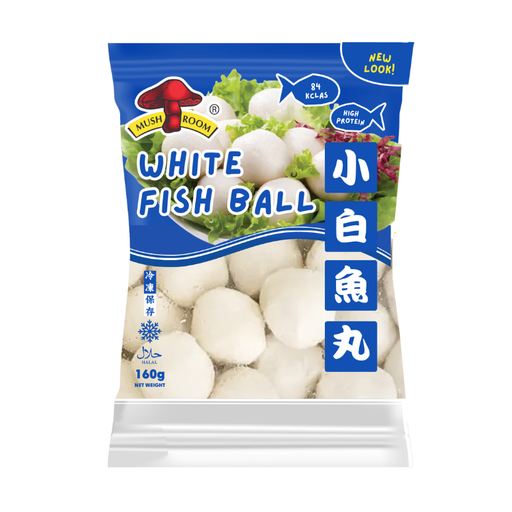
Why This Fits Their Persona: A compact pack for first-time buyers, smaller households or anyone trying mushroom-flavoured white fish balls without committing to a large bag.
The 160g net weight is clearly stated, helping shoppers plan a smaller serving rather than assuming the product is a family-sized pack.
Contains 52% Nemipterus spp. and is suitable for soups, hot pot and stir-fries; the small size can cook in around five minutes.
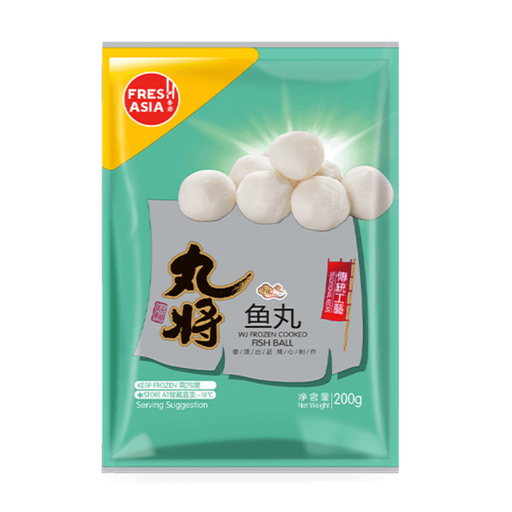
Why This Fits Their Persona: Suits shoppers who prioritise a clearly stated fish percentage and a classic, versatile white fish ball for regular Asian cooking.
The listing states 77% Japanese threadfin bream, making the main fish ingredient easier to assess than a product described only by flavour.
A 200g pack with 9.6g protein and 1.6g salt per 100g; suitable for boiling, soup, hot pot, pan-frying and grilling.
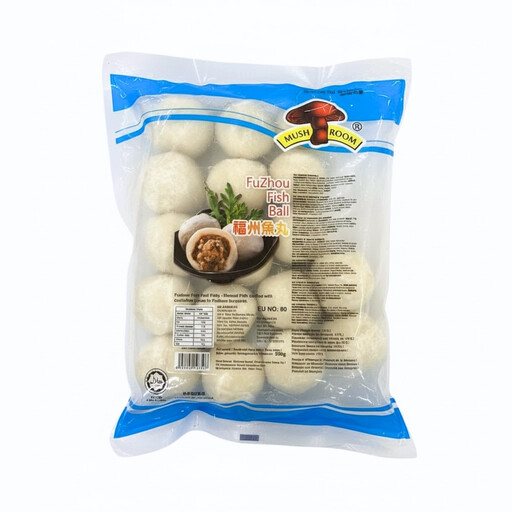
Why This Fits Their Persona: A larger pack for family hot pots, noodle soups, meal preparation and shoppers who regularly cook with frozen seafood balls.
The 500g pack makes the quantity clear, while the ingredient description identifies fish and cuttlefish rather than relying only on a generic seafood name.
Contains 52% listed fish ingredients and cuttlefish; designed for steamboat, noodle soups and stir-fries, with storage below -18°C.
We have compiled a complete, real-time list of products that fully satisfy these strict selection criteria and UK safety regulations.
Many products cook in approximately three to five minutes in boiling water or soup, although filled or mixed products may require longer. Follow the specific packet instructions and check that the centre is fully hot before serving.
Often, yes. Several products are designed to go directly into boiling broth, soup or a hot pot. Avoid thawing unless the instructions recommend it, and do not refreeze once the product has defrosted.
Keep them at -18°C or below, ideally in their original sealed packaging. Check the best-before information, avoid repeated temperature changes and use the product promptly after opening. If the packaging has been damaged or the product has partially thawed, check the seller’s guidance before cooking.