
24/7 Customer Support

Free returns

Same-day & Next-day Delivery

Quality Guaranteed

Unlock Your Welcome Offers: FREE Delivery | Up to 80% OFF | Free 30-day JoyPlus trial
Download the APP
Frozen fish balls are a convenient way to add texture and seafood flavour to hot pot, noodle soup, steamboat, stir-fries and appetisers. They are particularly useful for busy households, students and anyone shopping at an Asian grocery UK customers can access online.
However, packaging can make similar products look interchangeable when their ingredients, fillings, cooking requirements and pack sizes vary considerably. Before buying, check these common pitfalls.
“Fish ball” does not always indicate the proportion of fish or surimi. Some products contain a higher level of starch, oil or other ingredients, while others specify a fish percentage clearly. For example, Freshasia WanJiang Fish Balls list at least 77% Japanese threadfin bream, whereas other seafood balls use fish alongside taro, cuttlefish, crab flavouring or additional starch.
Check the ingredient list and quantitative ingredient declaration rather than relying on front-of-pack imagery.
Chinese fish balls, Japanese fish balls and Fuzhou fish balls can have noticeably different textures and centres. A filled product may contain pork, while lobster balls may use surimi and flavouring rather than lobster meat. Products labelled as mixed fish balls may also include beef or pork meatballs.
This matters if you are cooking for children, following a halal diet, avoiding particular meats or managing allergies.
Most frozen seafood balls are not ready to eat. They must be thoroughly cooked, even if they appear pre-shaped or pre-fried. Products may be added directly from frozen, but cooking times differ. Some need around three to five minutes in boiling broth; larger or mixed products may require longer.
Keep frozen at -18°C or below, follow the pack’s instructions and do not refreeze after thawing. When buying online, also consider whether your delivery can remain frozen until it reaches your freezer.
A higher stated fish content often helps buyers compare products more objectively, although texture also depends on starch, oil and production method. Surimi fish balls are commonly made from minced fish and are valued for a springy, bouncy bite.
For a straightforward seafood option, compare products such as white fish balls with those containing taro, squid or crab flavour. If you want a firmer seafood texture, squid balls and cuttlefish balls may be more suitable than soft fish tofu.
Read the full ingredients and allergen information before placing an order. Common allergens across Asian fish balls and seafood balls include:
For filled products, check both the outer ball and the centre. Fuzhou fish balls with pork filling combine a fish exterior with minced pork, making them different from plain fish balls. If you are looking for halal fish balls, confirm the certification or suitability stated on the product page rather than assuming that a seafood-based product is halal.
A 200g pack can suit a single meal, while 500g or 1kg packs may be more practical for family hot pot, batch cooking or frequent use. Consider freezer space and how quickly you expect to use the product.
Most options work in soup or hot pot, but some are also suitable for pan-frying, grilling, steaming, air-frying or deep-frying. Pre-fried fish balls can provide a crisp exterior after reheating, while plain surimi fish balls are more adaptable for broth-based dishes.
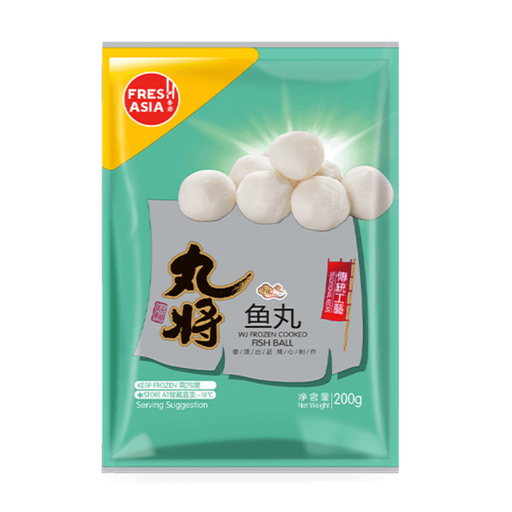
Why This Fits Their Persona: The 200g pack offers a manageable way to try plain Asian fish balls without committing to a large freezer pack. It suits a student’s noodle soup, a quick lunch or a small hot pot.
The product specifies 77% Japanese threadfin bream and provides clear fish and egg allergen information, making comparison easier than relying on promotional descriptions alone.
Plain springy fish-ball texture; suitable for hot pot, soup, stir-frying or grilling; can be cooked from frozen.
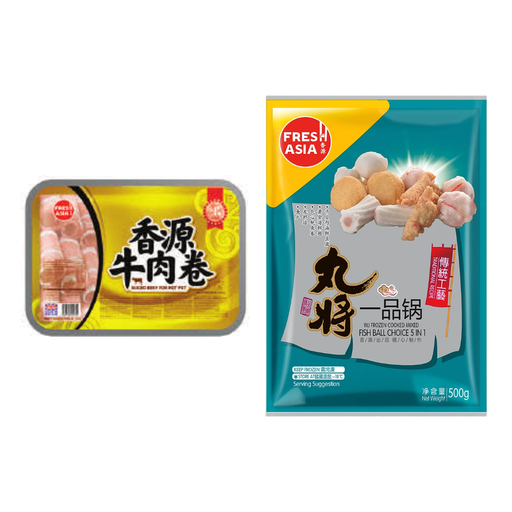
Why This Fits Their Persona: This larger hot pot combination suits households planning a generous steamboat meal and shoppers who want several seafood textures alongside beef rolls.
The listing identifies a 500g seafood selection containing surimi, crab flavour and 0.2% squid, so shoppers can see that it is a mixed hot pot option rather than a single plain fish-ball product.
Includes a varied seafood format for sharing; suitable for hot pot, soups and stir-fries; ingredients and allergens are listed.
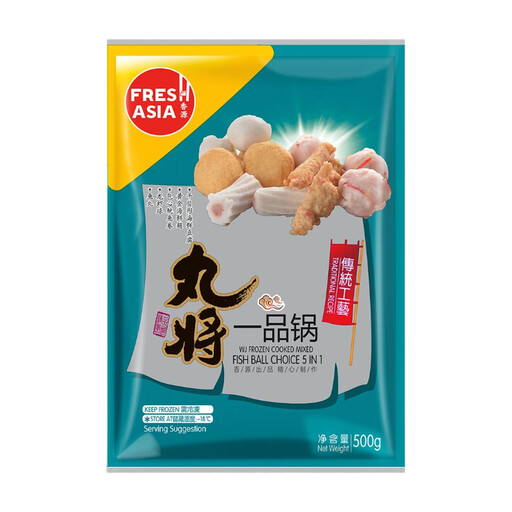
Why This Fits Their Persona: A 500g mixed pack is practical for regular hot pot hosts, families and cooks who want several shapes and flavours in one purchase.
The listing states 70% fish surimi and identifies the mixed seafood profile, including crab flavour and squid, reducing uncertainty about what the assortment contains.
500g format for group meals; suitable for hot pot, soup, stir-fries or frying; bouncy surimi texture.
We have compiled a complete, real-time list of products that fully satisfy these strict selection criteria and UK safety regulations.
Follow the best-before date printed on the packaging and keep the product continuously frozen at -18°C or below. Quality can change if the product partially thaws. Do not refreeze after thawing.
Many can be cooked from frozen, usually for around three to five minutes, but always check the individual instructions. Filled, larger or mixed products may require longer. Serve only when thoroughly cooked and piping hot.
Not necessarily. Some lobster balls are surimi-based products with lobster flavouring or a seafood blend. Check the ingredient list for the actual percentage of fish, lobster or other seafood before buying.