Flexible batch cooks
Plain fillets give you a starting point for portions that you can season and combine with different sauces or sides. Check the species and cut against each recipe before choosing one pack for several meals.


Choose plain frozen fillets if you want to portion and season fish differently across several meals. A prepared or premium-positioned pack may suit a repeatable finished dish or a particular species, cut or origin, but check its ingredients, fish content and pack instructions: “premium” alone does not tell you how well it fits your batch-cooking plans.
The useful distinction is whether you need fish as an adaptable ingredient or as a prepared meal component.
Plain fillets give you a starting point for portions that you can season and combine with different sauces or sides. Check the species and cut against each recipe before choosing one pack for several meals.
Coated or seasoned portions can fit a plan built around a repeatable dish. Their established flavour and ingredients leave less room to adapt the fish for other recipes.
Compare the exact pack’s species, fish content, allergens and any origin or certification information. A premium label does not identify which of those features matters to your meal plan.
Decide on the cooking format first, then check whether the portions and handling instructions fit your batch day.
| Priority | What to check | Your needs |
|---|---|---|
| Recipe flexibility | Check whether the fish is plain, coated or seasoned; identify the species and cut; check whether the portions suit your planned dishes. | I want to give portions different flavourings across the week, so a plain fillet is more useful to me than a fixed coating. |
| What premium means | Look for a named origin or cut, stated fish content and an ingredient list. For a coated product, check what accompanies the fish. | If I am choosing a particular fish or origin, I want that stated on the pack. If convenience is the point, I need to know what is in the prepared portion. |
| Portion planning | Compare net pack weight, portion count where stated and any ice-glaze information. Check whether the pieces can be separated for your intended cooking sessions. | Several meals depend on usable portions, not just the number printed on the front of a pack. |
| Ingredients and allergens | Read the current ingredient and allergen label, particularly for breaded, battered or seasoned fish. Marks & Spencer’s Breaded Cod listing, for example, states 70% cod and includes wheatflour. | When ingredients matter in my household, I need to check the particular prepared fish rather than assume it contains only fish. |
| Batch-day timing | Check the pack’s cooking method, defrosting directions and instructions after thawing. Waitrose & Partners’ frozen cod instructions, for example, specify refrigerator defrosting and say not to refreeze once defrosted. | My batch session needs to allow for the directions on the fish I actually buy; I cannot use one thawing plan for every pack. |
The term may accompany a particular species, origin or cut, or a prepared coating. Those features answer different cooking needs.
Choose between plain and prepared fish first. Then compare the exact pack’s species, ingredients and portion details within the format you intend to cook.
Pack weight does not by itself tell you how many portions you can plan, particularly when fish is glazed or coated.
Check net weight, any stated portion count and the product format. Plan portions from those details rather than assuming two packs of similar size serve the same purpose.
Cooking and defrosting directions differ by product. Waitrose & Partners’ frozen cod, for instance, calls for refrigerator defrosting and use within one day after thawing.
Read the chosen pack before scheduling batch day. The Food Standards Agency’s cited consumer guidance says defrosted food should be consumed within 24 hours; also follow the product’s specific storage and cooking directions.
A prepared fish portion may contain allergens beyond fish. A description such as “boneless” should not replace care when serving fish.
Check the current pack’s ingredient and allergen information, and inspect cooked portions as you serve them.
These ranges illustrate different frozen-fish formats; check the individual product rather than assuming a brand name identifies the ingredients or preparation method.
Its UK frozen-fish range includes plain and prepared formats.
The Gastro range focuses on prepared frozen-fish dishes.
Its frozen-fish listings bring together own-label and branded products in different pack formats.
Its frozen-fish range includes raw fillets as well as prepared fish.
These Joybuy options include plain fish fillets and steaks for recipes you season yourself, plus battered cod for a prepared meal component. Check each pack’s cut, portions and instructions against your cooking plan.
 No image available
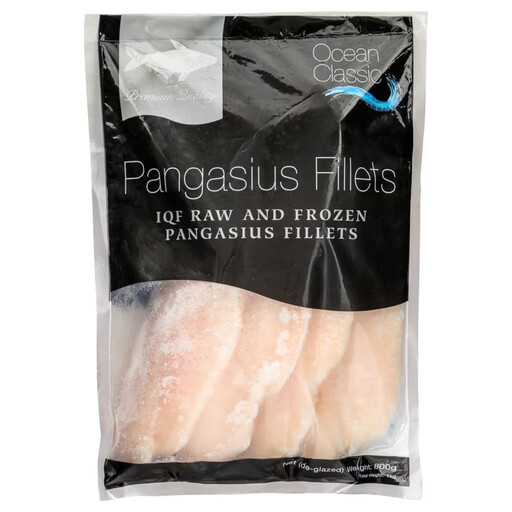
Plain pangasius fillets give you a base for differently seasoned meals. The stated 800g of fillets includes ice; plan portions accordingly. Thaw in the refrigerator and use within 24 hours after defrosting, following the pack directions.
 No image available
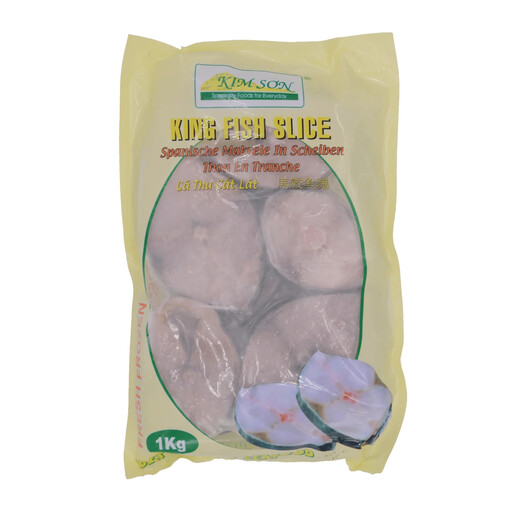
Pre-sliced king fish is an option when your planned dishes call for this species and cut rather than a cod or haddock fillet. Check the portion count and the pack’s thawing and cooking directions before scheduling several meals.
 No image available
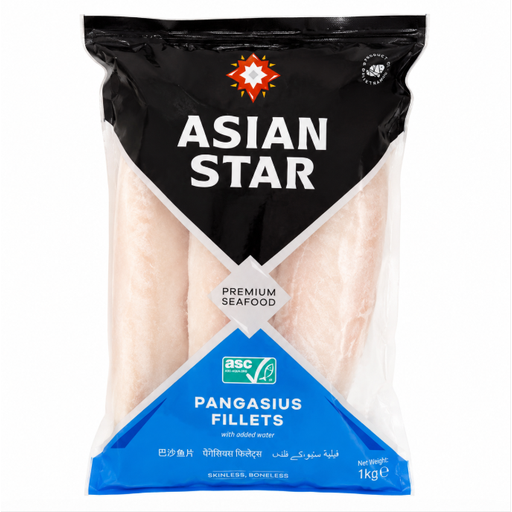
This pangasius format suits plans that use fillets with different seasonings. Its ingredient information includes salt, so check the current label if ingredients matter to your household, along with the pack’s thawing and cooking directions.
 No image available
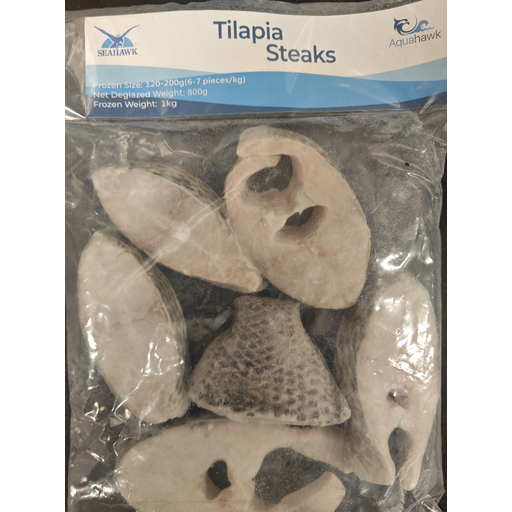
The stated six to seven steaks offer a starting point for planning separate fish portions. These are steaks, not boneless fillets: check skin and bone details, then read the pack’s storage, thawing and cooking instructions.
 No image available
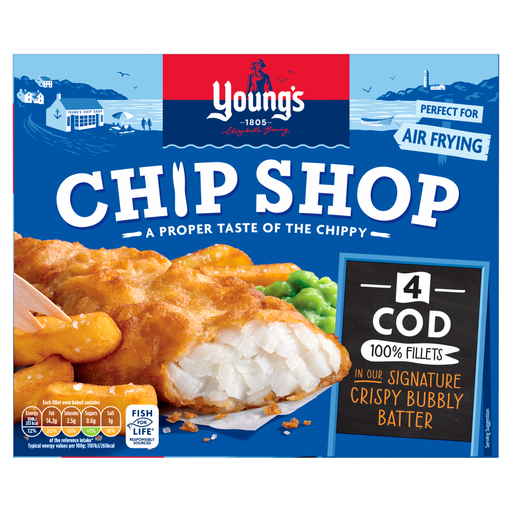
Four battered portions suit a plan built around the same prepared fish dish, rather than several differently seasoned recipes. The ingredient information names wheat and mustard; check the current pack for allergens, fish content and cooking directions, and do not refreeze after defrosting where instructed.
Choose plain fillets when you intend to season portions for different dishes. Choose prepared fish when a repeatable coated or seasoned component better fits the plan, and check its ingredients, fish content and allergens before deciding.
Follow each pack’s defrosting and storage instructions, and thaw the portions you plan to use. The Food Standards Agency’s cited consumer guidance says defrosted food should be consumed within 24 hours; Waitrose & Partners’ frozen cod instructions specify refrigerator defrosting, use within one day and no refreezing once defrosted.
No. It may describe origin, cut or a prepared format rather than an ingredient standard. Marks & Spencer’s Breaded Cod listing, for example, states 70% cod and includes coating ingredients; check the exact product’s ingredient and nutrition panels.
Check the current pack’s ingredient and allergen label for every product you plan to use. Coated fish can contain ingredients beyond fish, including wheat; do not assume that two similarly named fillets have the same recipe.