Brand and retailer references
These ranges illustrate formats to compare; a brand name alone does not establish the contents or suitability of a particular pack.
Birds Eye
A reference for breaded fish portions intended to be cooked separately from batch sauces.
- Birds Eye says its reviewed breaded cod fillets can be oven cooked from frozen.
- That product lists 54% cod, with wheat and mustard in the coating; check its ingredients rather than comparing its pack weight directly with plain fillets.
Young’s
Its referenced range includes natural fillets as well as prepared fish, making the specific product format important.
- Young’s says its Natural Fish Fillets range can be cooked from frozen.
- The Young’s Chip Shop Fish product listed by Asda contains 50% Alaska pollock fillet and lists fish, wheat and mustard as allergens; those details apply to that product, not every Young’s pack.
Tesco
Its referenced frozen-fish listings include plain white fish and prepared products from different brands.
- Tesco Groceries lists Bay Fishmongers pollock fillets as a plain-fish example and states a typical cooked yield for the pack.
- Bay Fishmongers is a third-party brand sold by Tesco; check each listing’s species, net weight and cooking directions separately.
Sainsbury’s
Its referenced frozen-fillet range includes different fish species and pack formats for distinct recipes.
- The Sainsbury’s Groceries category listing includes white-fish, basa and salmon fillets.
- A category listing does not establish each pack’s ingredients, portion yield or cooking method; check the product label.
Asda
A retailer reference for prepared frozen fish with product-level ingredient and cooking information.
- Asda’s listing for Young’s Chip Shop Fish gives its fish percentage, allergens and oven and air-fryer cooking information.
- Those specifications describe the listed Young’s product, not Asda’s entire frozen-fish range.
M&S
Its referenced range includes plain fillets, salmon portions and prepared fish.
- M&S lists hake, cod and salmon options and describes its range as responsibly sourced and traceable.
- Check the individual pack for the cut, weight and preparation method needed for your batch recipe.
Frozen fish options on Joybuy
These options cover plain fish for curries and other batch dishes, mackerel for a different fish meal, and battered portions for separately cooked servings. Compare the pack details and cooking directions for the recipe you have planned.
 No image available
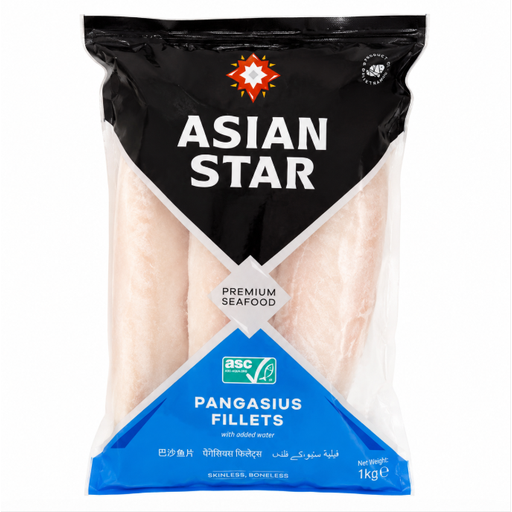
Asian Star White Pangasius Fillet, 1kg (800g net)
Skinless, boneless pangasius fillets can be divided between curries or stir-fries. The listing states a 1kg pack, 800g net weight and 20% ice glaze; use the stated net quantity when planning portions. Check the pack’s cooking directions and follow its instruction not to refreeze.
Joybuy
 No image available
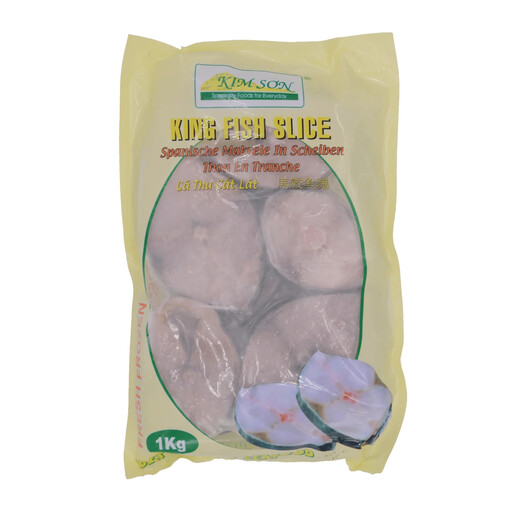
Kim Son King Fish Slice 1kg
Pre-sliced king fish is described for stews and curries, reducing the cutting needed before a batch recipe. The 1kg pack contains raw fish that must be cooked thoroughly; small bones may be present. Check the pack’s thawing directions and do not refreeze it once thawed.
Joybuy
 No image available
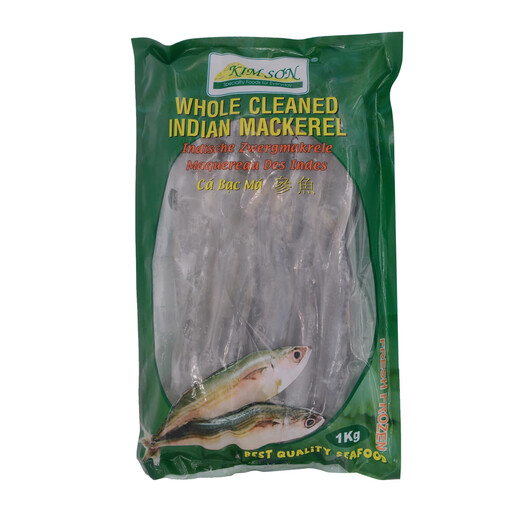
Kim Son Indian Mackerel 1kg
Indian mackerel offers a different fish choice for planned meals, including curries. The listing identifies a 1kg pack and 100% Indian mackerel; check the cut and portion size on the pack before dividing it between meals. Cook thoroughly, take care with possible small bones and do not refreeze once thawed.
Joybuy
 No image available
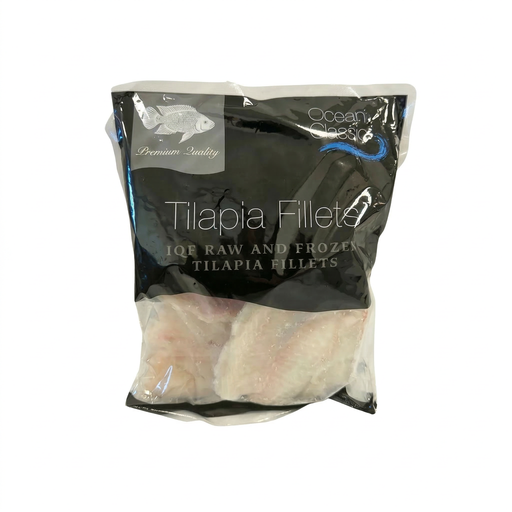
Ocean Classic Tilapia IQF Fillets, 1kg (800g net)
These tilapia fillets are described for soups, curries, baking and steaming, giving you options for different batch recipes. The listing states 800g net weight in a 1kg pack. Its directions require thawing before cooking and say not to refreeze after defrosting.
Joybuy
 No image available
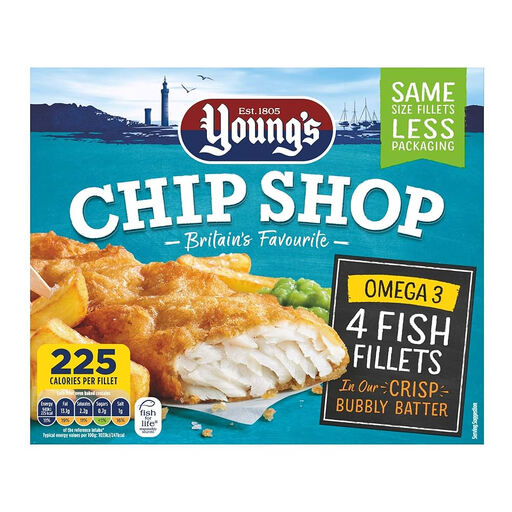
Young’s 4 Chip Shop Omega 3 Fish Fillets 400g
Four battered portions suit meals in which each serving is oven cooked separately from frozen. The ingredient list states 50% Alaska pollock fillet, so the 400g pack is not equivalent to 400g of plain fish. The listed allergens include fish, wheat, milk and mustard; do not refreeze after defrosting.
Joybuy
Frequently asked questions
Are plain fillets or coated portions more useful for batch cooking?
Plain fillets are more adaptable when the fish will go into several sauces, pies or bakes; coated portions are designed to be cooked as individual servings. Check net weight and fish content before comparing how many fish-led meals each pack will make. Asda’s listing for Young’s Chip Shop Fish, for example, states 50% Alaska pollock fillet, which makes the whole battered portion a different ingredient from a plain fillet.
Can I cook frozen fish without thawing it first?
Yes, if that particular pack gives a from-frozen cooking method; follow its stated instructions. Birds Eye gives from-frozen oven directions for its reviewed breaded cod, while Young’s describes its Natural Fish Fillets range as suitable for cooking from frozen. Other products have different directions: the Ocean Classic tilapia option above says to thaw before cooking.
How should I store batch-cooked fish meals?
The Food Standards Agency advises dividing cooked food into smaller portions, putting it in the fridge within one to two hours and eating refrigerated leftovers within 48 hours or freezing them. Its guidance gives 0–5°C for the fridge and around −18°C for the freezer. Follow any additional directions on the fish pack.
Can thawed frozen fish go back in the freezer?
Follow the direction on the specific pack rather than assuming it can. The reviewed Tesco pollock, Young’s prepared fish and Birds Eye breaded cod listings each say not to refreeze after defrosting, so plan how much to take out before thawing those products.
Is white fish interchangeable with oily fish in a meal plan?
No. The NHS identifies cod and pollock as white fish and salmon as oily fish; its general guidance distinguishes an oily-fish portion within weekly fish meals. If you are planning for children or someone who is pregnant or breastfeeding, check the NHS guidance that applies to them rather than treating the general advice as identical for everyone.


