What should you check?
Choose the fish format for the meal first, then check its prepared nutrition, usable quantity and cooking requirements on the exact pack.
| Priority | What to check | Your needs |
|---|
| Fat and coating |
Compare fat and saturates per 100 g and per serving for the product as prepared. Check whether it is plain, breaded or battered, and whether cooking adds oil. The NHS says frying, particularly in batter, can increase fat. |
I want fish without assuming that every fish product has the same fat content. Plain white fish is my starting point if reducing fat takes priority over a crisp coating. |
| Usable quantity |
Check both total pack weight and net fish quantity where both are stated. Look at the number and size of portions you are likely to use. |
For my weekly shop, I need a pack that covers the meals I have planned, not simply one that looks large in the freezer. |
| Meal format |
Check whether portions are whole fillets, formed fish, fish fingers or coated fillets. Read the ingredient list for the fish species and other ingredients. |
Fish fingers may suit a meal that needs small portions; I would choose plain fillets when I would rather add my own seasoning. |
| Cooking method |
Read the exact pack instructions, including whether to thaw first and which appliances are covered. Interpret nutrition values using the preparation method stated on the label. |
I need to know that I can cook the fish with the equipment and time I have, without overlooking oil or other additions. |
| Ingredients and allergens |
Check the current ingredient and allergen statements. A coated recipe may contain ingredients beyond fish: Sainsbury’s lists wheat, barley and mustard in one Young’s beer-battered pollock product. |
If someone in my household must avoid an ingredient, I need to check this particular pack rather than relying on the product category. |
Brand and retailer ranges
These ranges illustrate different frozen-fish formats; the name on the front of a pack does not establish its fat content.
Tesco
Tesco’s frozen-fish listings include fish fillets and own-brand breaded cod and haddock fillets.
- The separate formats give shoppers plain and coated products to compare.
- Check the nutrition declaration for each individual product; the format alone is not a like-for-like fat comparison.
Sainsbury’s
The Stamford Street Co. range includes formed Alaska-pollock white-fish steaks.
- Sainsbury’s lists Alaska pollock as the sole ingredient of the cited steaks.
- They are formed steaks rather than named whole fillets. The cited grill instructions include brushing with oil, which matters when planning the finished meal.
Birds Eye
Birds Eye’s fish-finger range includes breadcrumb and batter coatings.
- The range offers portioned coated-fish formats.
- Neither a fish-finger format nor an omega-3 product name establishes that a particular pack is lower in fat; compare its nutrition declaration.
Young’s
Young’s lists natural fish fillets alongside battered fish products.
- The distinct formats allow a choice between cooking plain fish and serving a ready-coated portion.
- Sainsbury’s declares 13.8 g fat per 100 g when oven baked for one Young’s beer-battered Alaska-pollock product. Check the exact pack rather than applying that figure to the whole range.
M&S
The M&S frozen-fish range lists uncoated, lightly dusted, breaded and battered formats.
- The range provides several coating levels to examine.
- Check the individual product’s ingredients, nutrition and local selection before making a comparison.
Asda
A Just Essentials by Asda white-fish-fillets product reference offers another own-brand format to look for.
- If the product is in your local range, its current pack can be compared with other plain-fish options.
- Use the current label to check its fish quantity, ingredients and nutrition before choosing it.
Plain frozen-fish options on Joybuy
These pangasius and tilapia fillet packs represent the plain-fish route for shoppers who would rather choose their own seasoning than buy a coated portion. Check each current pack’s nutrition, net quantity and preparation instructions for your planned meals.
 No image available
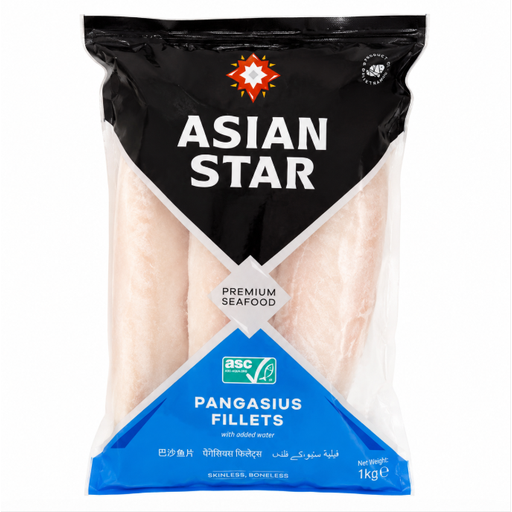
Asian Star White Pangasius Fillet, 1 kg (800 g net)
A fillet option for a meal you plan to season yourself. The product name states a 1 kg pack with 800 g net; check the current pack’s fat and saturates declaration and cooking instructions for your recipe.
View on Joybuy
 No image available
Ocean Classic Pangasius Fillet IQF 170/200g, 1 kg (800 g net)
Consider this skinless, boneless fillet pack if its stated 800 g net quantity fits the portions you plan to cook. Its name specifies IQF and 170/200g; check the current pack for the nutrition declaration and preparation method.
View on Joybuy
 No image available
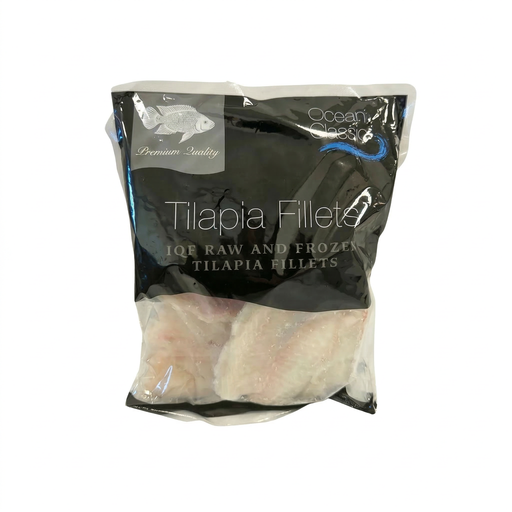
Ocean Classic Tilapia IQF Fillets, 1 kg (800 g net)
A tilapia fillet option for meals where you want to choose the seasoning. The product name states IQF fillets and 800 g net in a 1 kg pack; compare the current nutrition declaration and follow its preparation instructions.
View on Joybuy
Questions about frozen fish
Which frozen-fish format should I check first when reducing fat?
Start with plain white-fish fillets or steaks and check the current nutrition declaration. The NHS describes white fish as low in fat and says frying, particularly in batter, can increase fat content; what you add during cooking also matters to the finished meal.
Are breaded fish fingers lower in fat than battered fish?
Not necessarily: recipes and portion sizes differ. Compare fat and saturates per 100 g for the exact products, using figures for the stated preparation method. Birds Eye offers both breadcrumb and batter fish-finger variants, so the coating name alone cannot settle the comparison.
How can I tell whether a pack will cover my planned meals?
Check the net fish quantity and the number and size of portions, then match them to the meals you expect to make. A total pack weight and a stated net fish weight are not always the same figure, so read both where they appear.
Which allergens should I check in coated frozen fish?
Check the current pack for fish and every other ingredient relevant to your household. Coatings vary: Sainsbury’s lists wheat, barley and mustard in one Young’s beer-battered pollock product. Do not assume another coated fish has the same ingredients or allergen statement.
Should I thaw frozen fish before cooking?
Follow the instructions on the exact pack, including any thawing step, cooking method and check that the fish is piping hot throughout. Sainsbury’s notes that appliance performance varies in its instructions for Stamford Street Co. white-fish steaks, so a time stated for one product should not be applied to another.


