Households planning midweek fish dinners
If some meals need little preparation while others can start with plain fish, compare the work each pack saves with the portion format it provides.


For a budget-led shop, choose a premium-style frozen fish product when its portioning, seasoning or preparation saves work you would otherwise do yourself; a premium range name alone does not settle the choice. Compare the species, amount of fish, pack size and ingredients on the particular product, then decide whether you want a plain portion for your own recipe or a prepared fish meal.
The useful starting point is what you want the fish to do in a particular meal.
If some meals need little preparation while others can start with plain fish, compare the work each pack saves with the portion format it provides.
A plain fillet leaves seasoning and accompaniments to you. For breaded, battered or lightly coated fish, check the fish content, other ingredients and cooking directions for that recipe.
The NHS advises at least two portions of fish a week, including one portion of oily fish. That distinction matters when choosing between white-fish products and salmon.
Choose the meal format first, then compare the details on the individual packs rather than treating a premium label as a specification.
| Priority | What to check | Your needs |
|---|---|---|
| Fish and format | Check the species, whether the portion is plain or prepared, and the stated fish percentage where a coating or sauce is involved. | I want to know whether I am choosing fish to season myself or a ready-prepared meal with other ingredients. |
| Pack and portions | Compare the stated pack weight and number of portions. Where ice or glaze is mentioned, check how the fish quantity is described. | A pack needs to fit the number of people eating, without making a large pack and a single portion seem directly interchangeable. |
| Preparation and ingredients | Read the exact pack’s cooking and defrosting directions, ingredient list and allergen statement; recipes can differ within a range. | On a busy evening, I may want less preparation, but I still need a cooking method and ingredients that suit the meal. |
| Type of fish | Check the named species if following the NHS guidance of two fish portions weekly, including one oily-fish portion. Salmon is an oily fish; cod, haddock and pollock are white fish. | If I am planning both white-fish and oily-fish meals, the species matters more than a premium name on the pack. |
| Sourcing label | Look for a certification label on the particular product. The Marine Stewardship Council says its blue MSC ecolabel identifies wild-caught seafood from fisheries independently assessed against its requirements. | I would rather check a product-specific sourcing label than assume every fish product in a range carries the same certification. |
A plain fish loin, a seasoned fillet and a coated portion provide different ingredients and amounts of preparation.
Compare the species, fish content, pack weight and portion count before deciding which format suits the meal.
Birds Eye’s cited breaded-fillet product contains 51% Alaska pollock as well as breadcrumb coating. That figure describes this product, not every coated fillet.
Read the fish percentage and ingredient list on the exact pack, particularly when comparing it with an uncoated portion.
Prepared fish recipes may contain ingredients beyond fish, and product instructions can warn that some bones remain.
Check the current label for allergens and any bone warning, especially when changing recipe or pack size.
The NHS guidance includes one oily-fish portion within at least two weekly fish portions; cod, haddock and pollock are white fish.
If you are planning meals around that distinction, check the species rather than relying on a coating, range name or front-of-pack wording.
These ranges illustrate different fish formats; the details still depend on the individual product.
Birds Eye has prepared frozen-fish products, including breaded fillets.
The Young’s Gastro range includes several prepared-fish styles, from lightly dusted to breaded products.
Tesco’s Finest frozen-fish listing includes plain cod loins alongside prepared fish dishes.
These Joybuy options cover salmon steaks, a miso-seasoned steak, plain pangasius fillets and multi-fillet Chip Shop packs. Compare their formats against the meal you intend to make; they are not interchangeable portions of the same fish.
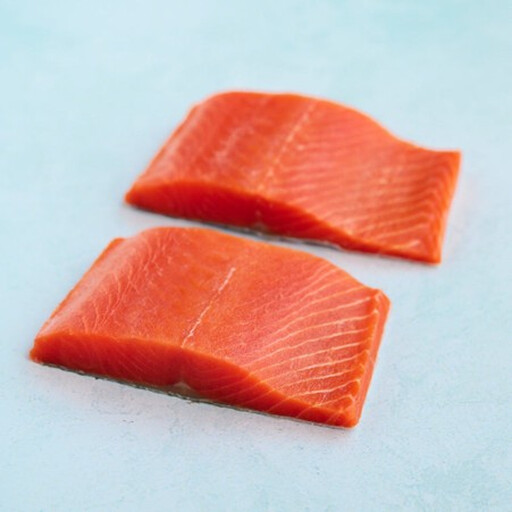 Image unavailable
A salmon-steak format for a meal built around oily fish. The pack name specifies wild sockeye salmon and 220g; check the current pack for portion and cooking details.
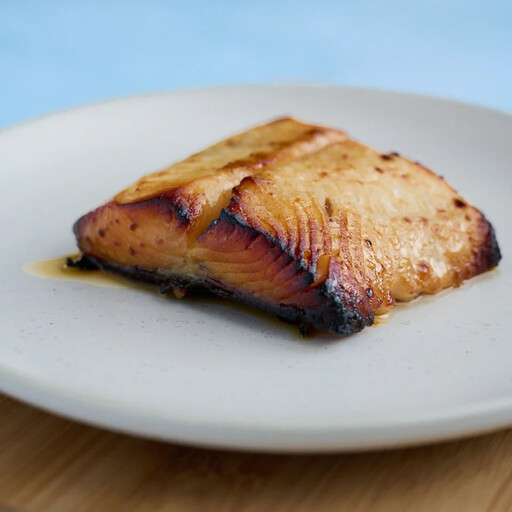 Image unavailable
A named, seasoned single-steak option when you do not want a plain fillet. Check the miso ingredients, allergens and defrosting directions on the current pack before preparing it.
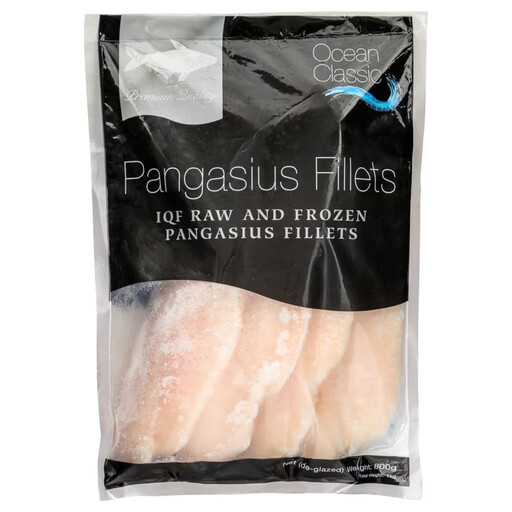 Image unavailable
A plain-fillet format if you want to choose the seasoning yourself. The name states both 1kg and 800g net; check how the pack describes ice and fish weight before comparing quantities, and follow its thawing directions.
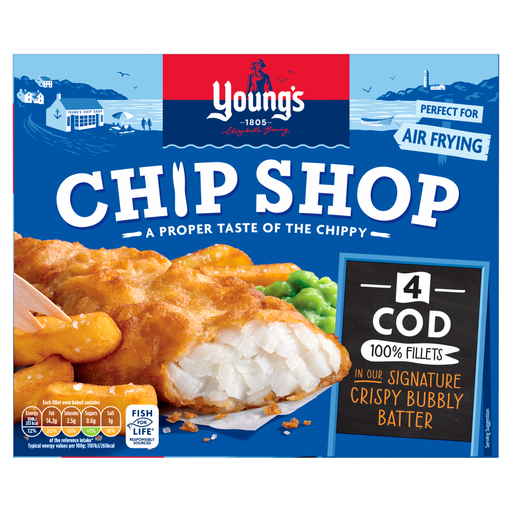 Image unavailable
A four-fillet cod pack for a meal where a defined portion count is useful. Check the current pack for coating ingredients, allergens and the detailed cooking method.
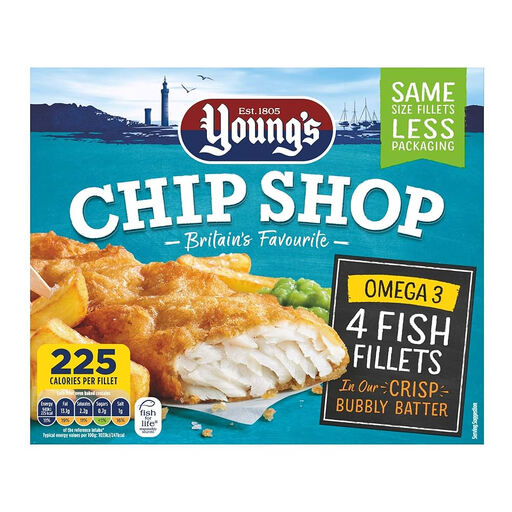 Image unavailable
Another four-fillet, 400g Chip Shop pack. Check the named fish species, fish percentage, allergens and any bone warning on its own label rather than assuming it has the same recipe as the cod pack.
Yes. The NHS advises at least two fish portions a week, including one oily-fish portion. Check the species when planning those meals: salmon is oily fish, while cod, haddock and pollock are white fish.
Only when the particular product’s instructions say to cook it from frozen. Otherwise, follow its defrosting and cooking directions; the Food Standards Agency’s guidance distinguishes cook-from-frozen instructions from food that needs fully defrosting first.
Read the ingredient and allergen information on the exact current pack. Prepared fish can contain ingredients beyond fish, and recipes within one range can differ; do not transfer an allergen check from one fillet to another.
The Marine Stewardship Council says its blue ecolabel identifies wild-caught seafood from fisheries independently assessed against its environmental-sustainability requirements. Look for the label on the particular product rather than assuming it applies to every item from a brand.