Households planning regular fish meals
If several meals need to come from one freezer purchase, species, portion size and whether pieces can be used separately matter as much as the pack’s total weight.


For repeated meals, start with the fish you want to cook, then choose a pack whose net fish weight, portion format and instructions fit your freezer and routine. Plain fillets leave more room to choose how to prepare each meal; coated fish offers a different kind of convenience, so check its fish percentage, ingredients and allergens rather than relying on a premium range name.
If several meals need to come from one freezer purchase, species, portion size and whether pieces can be used separately matter as much as the pack’s total weight.
A larger-looking fillet and a plain fish portion serve different meals. Check the named fish and its percentage in a coated product before deciding which format fits your plans.
When buying several packs, check the sourcing mark and the ingredients on each exact product. The Marine Stewardship Council says its blue label identifies wild-caught seafood assessed against its environmental sustainability requirements; coatings can introduce allergens beyond fish.
Decide which meals the pack needs to cover, then compare its fish, usable quantity and preparation instructions.
| Priority | What to check | Your needs |
|---|---|---|
| Usable portions | Compare total pack weight with stated net fish weight. Check the number of pieces and whether they can be used separately. | I’m planning several meals, so I need portions that fit both my freezer space and how much I cook at once. |
| Fish and meal type | Read the species and cut. Distinguish a plain fillet, a salmon side, a steak and bone-in chunks before choosing recipes. | Some days I want fish I can season myself; for a planned larger meal, a whole side may fit better than separate portions. |
| Coating and ingredients | For breaded or battered fish, compare the labelled fish percentage, ingredient list and nutrition information on the exact pack. | If convenience is my priority, I still want to know how much of the product is fish and what the coating contains. |
| Allergens | Check the current allergen declaration. Fish is an allergen, and coatings may contain ingredients such as wheat or mustard. | Anyone eating these meals with me may need more than the product name to assess the ingredients. |
| Storage and cooking | Check the stated freezer temperature, whether cooking starts from frozen or requires defrosting, and any refreezing instruction. | I need a pack I can store and prepare as directed, particularly if I will use it over several meals. |
| Sourcing | Look for a product-specific sourcing statement or mark. The Marine Stewardship Council’s blue label applies to assessed wild-caught seafood, not every aspect of a product. | If assessed wild-caught sourcing matters to me, I’ll check the mark on the pack I actually buy. |
Coated products can contain a substantial proportion of other ingredients. Birds Eye lists 54% cod in its 4 Large Cod Fillets in Breadcrumbs; Sainsbury’s lists 60% cod in its Taste the Difference beer-battered cod product.
Compare the fish percentage and ingredients of the exact products you are considering. Choose an uncoated format when you want to decide on the seasoning yourself.
Ice glaze, coating and pack format affect how the stated weight translates into fish for individual meals. A whole salmon side also needs a different plan from a pack of separate fillets.
Check net fish weight, the number and size of pieces, and whether you can use the pack in stages.
A large pack is harder to use in stages if the pieces cannot be separated or the full pack must be defrosted together. Birds Eye and Young’s product information includes instructions not to refreeze after defrosting.
Check freezer space and the exact storage and defrosting instructions before ordering several packs.
Fish is itself an allergen, while coated products can contain other allergens. Young’s Chip Shop cod fillets, for example, list wheat and mustard alongside fish.
Read the current ingredients and allergen declaration on every product, particularly when switching between plain and coated fish.
These ranges show why the exact product matters more than the name on the front of the pack.
Birds Eye offers coated frozen-fish formats, including cod fillets in breadcrumbs.
Young’s lists natural fillets alongside breaded, battered, sauced and prepared fish products.
Tesco’s frozen fish assortment includes plain fish cuts and prepared products, including a Finest Side of Salmon with Lemon & Dill 720g.
Its Taste the Difference beer-battered cod illustrates the importance of checking a premium-positioned product individually.
M&S lists frozen seafood, including Scottish salmon portions.
These products offer plain or minimally prepared fish for meals cooked at home, including fillets, steaks and bone-in chunks. Check the cut and net weight against the portions you intend to use.
 No image available
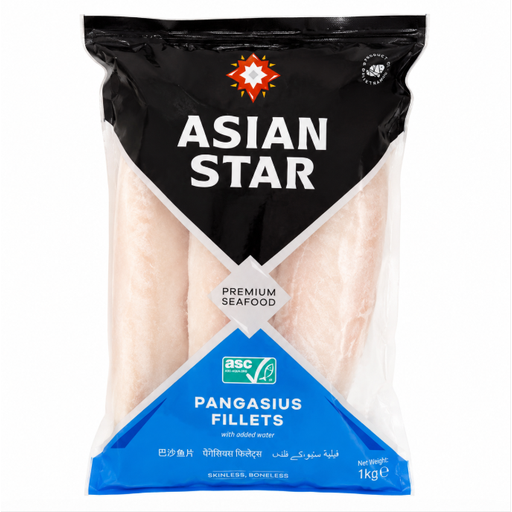
Skinless, boneless fillets provide a plain fish option for meals prepared in stages. The stated 1kg total includes ice, with 800g net fillets; thaw in the refrigerator before cooking and do not refreeze after thawing.
 No image available
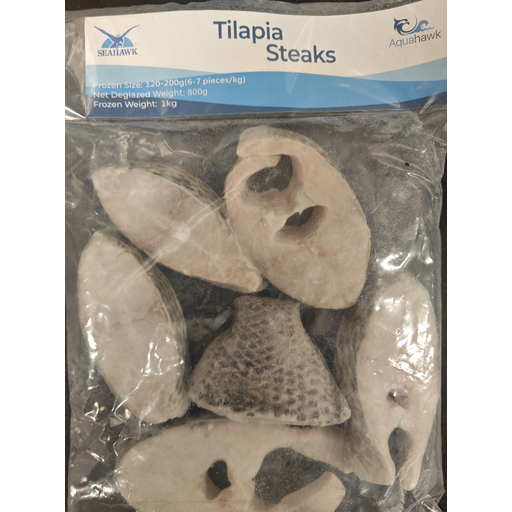
These skinless, boneless fillets suit meals in which you choose the other ingredients. The pack states 1kg total and 800g net fish; check whether its fillets can be separated conveniently if you plan to use only part of it at a time.
 No image available
The steak format may fit meals planned around several pieces rather than boneless fillets. The pack states six or seven steaks and 800g net; check the individual steak sizes and whether you can use them separately.
 No image available
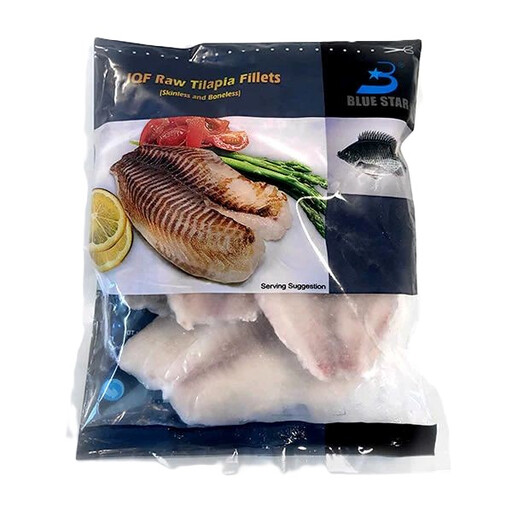
These skinless, boneless IQF fillets offer a different portion format from a whole side or bone-in chunks. The pack states 720g net; bones may occasionally remain, and the fish must be fully cooked.
 No image available
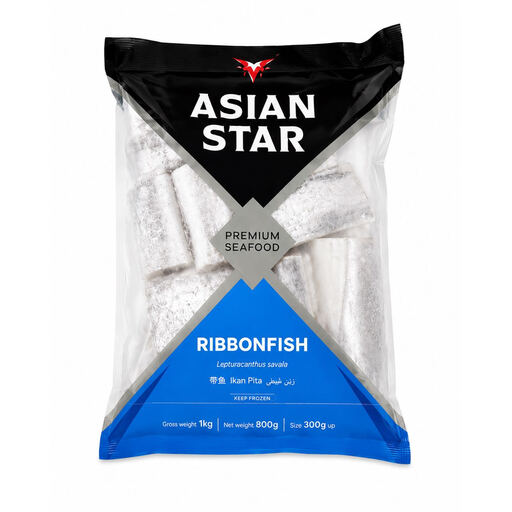
Pre-cut chunks suit dishes planned for bone-in fish, rather than recipes needing boneless fillets. The pack states 1kg total and 800g net, with a protective ice glaze; thaw in the refrigerator and do not refreeze after thawing.
A useful bulk pack has a named fish and cut, a clear net fish weight and a format you can use across your planned meals. For coated fish, check the fish percentage and ingredients; for any format, check how it must be stored, separated and cooked.
Choose by the meals you intend to make: salmon is an oily fish, while cod, haddock and pollock are white fish. A whole salmon side fits a different cooking plan from separate fillets, so check portion format as well as species.
They can suit meals where a prepared coating is part of what you want, provided the pack’s storage and cooking directions fit your routine. Compare fish percentage, ingredients and allergens with other coated products rather than assuming they contain the same amount of fish as plain fillets.
Follow the instruction on the exact pack. The cited Birds Eye, Young’s and M&S product information says not to refreeze after defrosting, so plan how much to thaw before starting a meal.
Fish is an allergen, and coatings can add others. For example, Young’s Chip Shop cod fillets list wheat and mustard; read the current ingredient and allergen declaration for the exact product you intend to serve.