What should you check before buying?
Start with the total-fat figure, then check whether you can keep the fish chilled and cook it as directed at camp.
| Priority | What to check | Your needs |
|---|
| Total fat |
Compare total fat per 100g, not just saturated fat. Note whether the figure is for fish as sold, pan-fried or oven-cooked; coatings and added cooking oil can affect the comparison. |
I want an uncoated option with a clear total-fat figure, rather than choosing by the words on the front of the pack. Sainsbury's lists 0.5g per 100g for its oven-cooked haddock; Tesco Groceries lists 12.2g per 100g for oven-baked Young's breaded fillets. |
| Chilled transport |
Check that your cool box, ice or freezer packs and thermometer can keep perishable fish at 4°C or below. FoodSafety.gov gives this temperature for food held in a cooler. |
For my trip, I need a way to keep the fish chilled from home until cooking. If I cannot do that, I would choose a shelf-stable meal instead. |
| Cooking method |
Read the exact pack's directions for cooking from frozen or thawing first. Match the specified oven or pan method to equipment you will have at camp, and cook the fish thoroughly. |
A stove alone may not cover an oven-only method. If the pack calls for defrosting before pan-frying, I also need enough time and chilled space to do it. |
| Pack details |
Check ingredients and allergen information, salt per 100g where relevant, and any warning that bones may remain. Read these details on the particular pack you intend to serve. |
If I am serving someone with an allergy or a concern about bones, the individual product label matters more than whether the fish looks plain or is described as boneless. |
Which brands and ranges are relevant?
These product examples show why the format and the individual nutrition panel matter more than the brand name alone.
Sainsbury's
Its plain frozen haddock portions offer an uncoated white-fish example.
- Sainsbury's lists haddock as the ingredient and 0.5g fat per 100g oven cooked for its Haddock Fillet Portion.
- Follow the product's cooking and defrosting directions; its oven-cooked nutrition figure is not automatically comparable with a pan-fried figure.
Asda
Its plain coley and basa fillets illustrate why total fat and saturated fat need separate checks.
- ASDA lists 1.7g total fat per 100g for 3 Coley Fillets.
- Its Basa Fillets list 4.6g total fat per 100g pan-fried despite a low-saturated-fat description. Check the coley pack's defrosting directions if you plan to pan-fry it.
M&S
Its plain hake and smoked haddock provide different flavour and label considerations.
- Marks & Spencer lists 1.2g fat per 100g for British Hake Fillets and 0.7g for 4 Smoked Haddock.
- The smoked haddock also lists 1.40g salt per 100g. The hake is raw fish and must be cooked.
Young's
Its checked breaded and battered fillets suit a coated-fish meal rather than a choice made solely on a reduced-fat priority.
- Tesco Groceries lists 12.2g fat per 100g oven baked for Breaded Omega 3 Fish Fillets; Sainsbury's lists 12.4g for Chip Shop Large Haddock Fillets.
- Check the particular coating's ingredients, allergens and cooking directions before taking it camping.
Birds Eye
Tesco Groceries lists Birds Eye products among its frozen breaded and battered fish options.
- The listed formats offer a starting point for shoppers seeking a coated fish meal.
- Use the chosen pack's total-fat panel and cooking directions; a coated-fish category does not establish the nutrition of every product in it.
Tesco
Tesco Groceries lists own-label battered and breaded fish alongside other coated products.
- Its coated-fish range distinguishes battered, breaded and lightly dusted formats.
- Compare nutrition and preparation instructions for the individual product rather than treating all three formats as equivalent.
Joybuy frozen fish options
These Joybuy options are frozen fillets to consider for a plain-fish camping meal. Check each pack's total-fat figure and cooking directions before deciding whether it fits your reduced-fat plan and campsite setup.
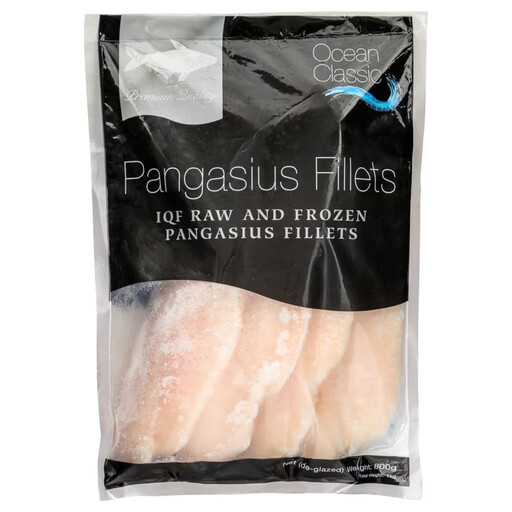 Image unavailable
Ocean Classic Pangasius Skinless & Boneless IQF Fillets, 1kg (800g net)
Consider these fillets if you want an uncoated fish format and can plan for chilled storage and cooking at camp. The title specifies individually quick-frozen (IQF), skinless and boneless fillets with 800g net fish weight. Check the pack's total-fat figure, its preparation basis and its thawing directions before comparing it with another fillet.
View on Joybuy
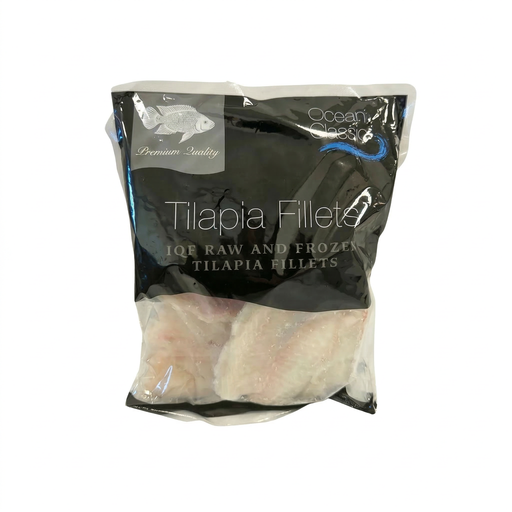 Image unavailable
Ocean Classic Tilapia IQF Fillets, 1kg (800g net)
These individually quick-frozen tilapia fillets are another uncoated format to compare for a camping meal. The title specifies 800g net weight. Before choosing them for a reduced-fat meal, compare the pack's per-100g total-fat figure on its stated preparation basis and check how the fillets must be thawed and cooked.
View on Joybuy
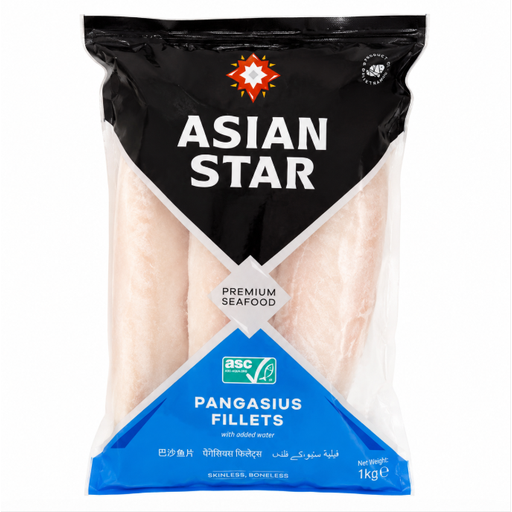 Image unavailable
Asian Star White Pangasius Fillet, 1kg (800g net)
This pangasius fillet is an option to assess if you prefer plain fish to a coated product. The title gives a 1kg pack and 800g net weight. Check the pack's total-fat figure and preparation basis, then confirm that its thawing and cooking instructions work with your chilled storage and camp equipment.
View on Joybuy
Frequently asked questions
What does “low fat” mean on a solid frozen-fish product?
The UK Department of Health's published nutrition-claim guidance gives a limit of 3g total fat per 100g for a solid food described as “low fat”. Read the product's total-fat figure and preparation basis; a statement about saturated fat refers to a different measure.
Can I take frozen raw fish camping?
Yes, if you can keep it properly chilled from home until cooking and cook it according to the pack. FoodSafety.gov advises placing perishable food in a cooler with ice or freezer packs and using a thermometer to check that it stays at 4°C or below. If you cannot maintain that cold chain, choose a shelf-stable meal instead.
Can I cook frozen fish on a camping stove?
Only if you can follow a cooking method specified for that exact fish product with your equipment. The checked ASDA coley directions distinguish oven cooking from frozen from pan-frying after refrigerator defrosting; an oven direction alone does not establish a safe pan-cooking method from frozen.
Are fillets described as boneless guaranteed to have no bones?
No. Checked fish labels warn that bones may remain despite care being taken to remove them. Check the individual fillet before serving, particularly to children.
Is smoked haddock a reduced-fat choice for camping?
Check both fat and salt rather than judging it by the word “smoked”. Marks & Spencer lists 0.7g fat and 1.40g salt per 100g for its 4 Smoked Haddock. It still needs appropriate chilled storage and cooking at camp; compare its label with a plain fillet if salt or flavour affects your choice.


