What should you check before buying?
Start with cold storage and cooking equipment; once both suit the trip, choose a format and pack quantity your group can use.
| Priority |
What to check |
Your needs |
| Cold storage |
Check how you will keep food below 5°C during travel and on site, as advised by the Food Standards Agency. Follow the individual pack’s frozen-storage and defrosting instructions; a chilled cool box does not establish freezer conditions. |
I can check the food’s temperature and plan to cook the fish early. If I cannot keep it chilled for the trip, I need a shelf-stable meal instead. |
| Portions |
Check the pack weight and number of pieces against your group size. Consider whether you can store and use any remaining fish as the pack directs. |
A smaller group may need fewer pieces, while a group meal calls for enough portions that I can cook with the equipment on site. |
| Cooking method |
Read the exact pack’s appliance, time and temperature instructions before leaving. Birds Eye lists oven, grill and air-fryer methods for its Cod Fish Fingers; those directions do not establish a method for other products. |
My pitch, caravan or cabin needs an appliance that can follow the instructions for the fish I choose. |
| Fish and ingredients |
Check the named fish species, coating ingredients and allergen statement on the exact pack. A plain fillet and a coated fish finger are different formats, even when both are sold frozen. |
I may want plain fish for a planned recipe, or portioned coated fish for a simpler meal. Ingredients matter if anyone in the group needs to avoid an allergen. |
Frozen fish options on Joybuy
These options include plain fish for planned meals and coated fillets for groups considering a cooked fish portion. Match each pack to your cold storage, group size and available appliance.
 No image available
Ocean Classic Pangasius Fillet Skinless & Boneless IQF 170/200g, 1kg (800g Net)
The skinless, boneless fillet format may suit a group planning a plain-fish meal. The name states 1kg total weight and 800g net; check the pack’s thawing and cooking directions against your trip before taking it.
View on Joybuy
 No image available
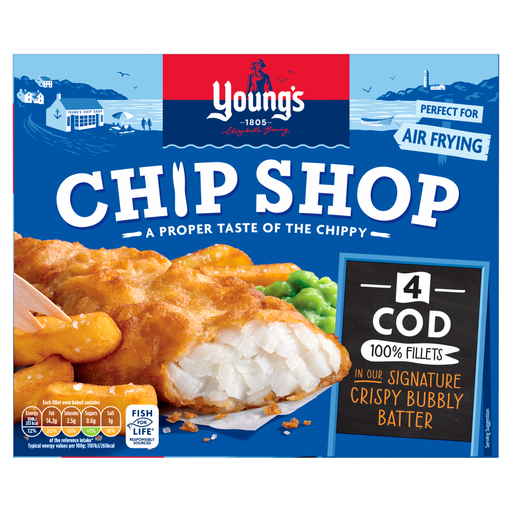
Young’s Chip Shop 4 Cod Fillets 400g
Four cod fillets give a group a clear piece count for one planned meal. If you intend to cook them in an oven or air fryer, check the exact pack directions and confirm that the appliance is available on site; read its allergen statement too.
View on Joybuy
 No image available
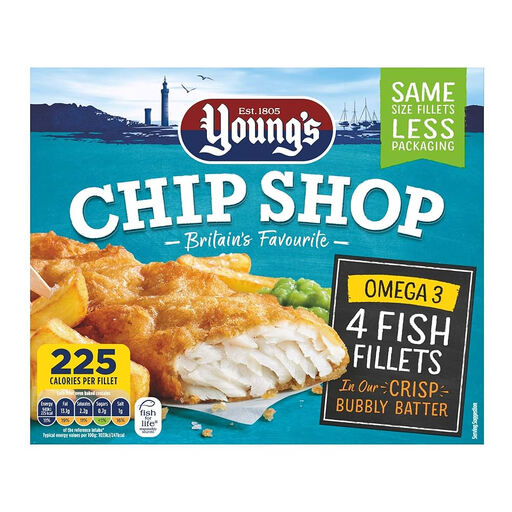
Young’s 4 Chip Shop Omega 3 Fish Fillets 400g
This four-fillet pack offers a piece count for a group meal. Check the named fish species, allergens and exact cooking directions on the pack, particularly if your camping setup has only one type of appliance.
View on Joybuy
 No image available
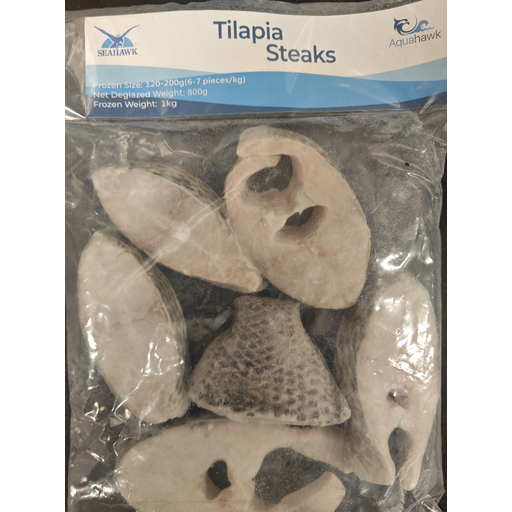
Aqua Hawk Tilapia Steaks 6/7 Steaks 800g Net
Six or seven tilapia steaks provide a stated piece-count range for meal planning. Check the pack’s storage, thawing and cooking directions before deciding whether this 800g net pack fits your group and equipment.
View on Joybuy
 No image available
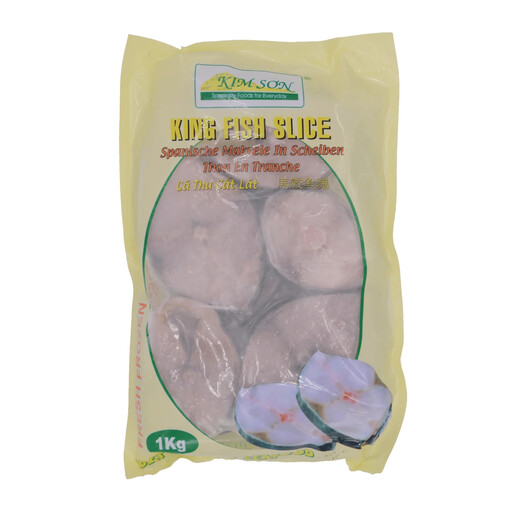
Kim Son King Fish Slice 1kg
The sliced format may fit a planned fish dish, but the 1kg pack needs a meal plan that accounts for the amount you will use. Check the piece count and the pack’s storage, thawing and cooking instructions before the trip.
View on Joybuy
Frozen fish camping questions
Can I take frozen fish on a camping trip?
Yes, if your cold storage and meal timing allow you to follow the pack directions and keep food properly chilled. The Food Standards Agency advises keeping food below 5°C and identifies a cool box as an option for short trips; choose shelf-stable food if you cannot maintain chilling for the time needed.
Will a cool box keep frozen fish frozen?
Do not assume it will maintain freezer temperature. Birds Eye directs storage of its Cod Fish Fingers at -18°C or cooler and says not to refreeze them after defrosting. Check the instructions for your exact pack and use a thermometer to check the temperature of your cool box.
Can I cook fish fingers on a basic camping stove?
Only plan to use a stove if the exact product’s instructions provide a method your equipment can follow. Birds Eye gives oven, grill and air-fryer directions for its Cod Fish Fingers; check both the pack and campsite appliance rules before leaving.
Are coated fish products suitable for someone avoiding wheat?
Check the exact product rather than assuming they are. Birds Eye identifies wheat in the coating of its Cod Fish Fingers, and ingredients can differ between products. Read the full ingredient and allergen statement on the pack.
Does an “Omega 3” product name tell me which fish it contains?
No. Check the named species in the product information or on the pack if the type of fish matters to your meal choice. The NHS distinguishes white fish such as cod and pollock from oily fish such as salmon and mackerel; a product name alone does not identify the species.


