Who should consider frozen fish?
The deciding factor is whether your camping setup can meet the chosen pack’s storage and preparation instructions.
Campers with freezer-level storage
Frozen fish is an option if you can maintain the temperature stated on the pack throughout transport and storage. The Birds Eye, Young’s and M&S products described in their product information require storage at −18°C or colder; the cooking method still needs to match your equipment.
Solo campers planning one portion
Compare servings per pack with the number of meals you intend to prepare. Sainsbury’s lists Young’s 2 x Breaded Cod Fillets 200g as two 100g servings, so its two-fillet pack is not labelled as one serving.
Campers checking ingredients and preparation
Choose between coated and plain fish by reading the exact pack’s ingredients, allergen declaration, bone warning and cooking directions. These checks matter when you cannot readily change your meal plan at camp.
What should you check before buying?
Start with storage and cooking: portion size only helps if you can prepare the fish as directed.
| Priority |
What to check |
Your needs |
| Frozen storage |
Read the required temperature and defrosting instructions. Birds Eye and Young’s product information specifies −18°C or colder and says not to refreeze after defrosting. |
I can keep the fish at its required freezer temperature until it is ready to prepare, including during the journey. |
| Servings |
Compare pack weight, fillet count and declared servings; they are not interchangeable measures. Sainsbury’s lists Young’s 200g breaded cod pack as two 100g servings. |
For one meal, I want to know how much the pack assigns to each serving and what I will do with any remaining fish. |
| Cooking |
Check the exact pack’s method and whether your campsite equipment and power supply can follow it. M&S states that its British Hake Fillets are raw and must be cooked. |
The cooking directions need to work with the equipment I will actually have at camp. |
| Ingredients and bones |
Read the current allergen declaration for the precise product and flavour. Check bone warnings even for products described as fillets; M&S warns that its hake fillets may contain bones. |
I need a coating and ingredient list that suit my requirements, and I do not want to overlook a bone warning. |
Relevant brand and retailer references
These examples show why a product’s own label matters more than a brand name when planning a camping meal.
Birds Eye
Birds Eye’s two-fillet breaded fish product is a coated-fish example with a stated frozen-storage requirement.
- Its product information specifies storage at −18°C or colder.
- It says not to refreeze after defrosting, so transport and storage need planning before the cooking method becomes relevant.
Young’s
Young’s 2 x Breaded Cod Fillets 200g provides a useful example of why fillet count and serving count should be read separately.
- Sainsbury’s product information declares two 100g servings in the pack.
- The same listing specifies storage at −18°C or below and says not to refreeze once defrosted.
Sainsbury’s
Sainsbury’s frozen-fish listing includes different two-fillet products, including Young’s and Birds Eye examples.
- The listed pack formats give shoppers a starting point for comparing portion declarations.
- Check each individual product’s current ingredients, storage and cooking directions rather than applying one pack’s details to another.
M&S
M&S lists British Hake Fillets in a 280g pack as a plain-fish example to compare with coated products.
- M&S identifies the hake as raw fish, making its preparation requirement clear.
- The product must be cooked, may contain bones and requires storage at −18°C; pack weight alone does not establish a single serving.
Frozen fish options on Joybuy
These options include prepared eel and packs of plain frozen fillets. Compare each pack’s portions, storage and preparation instructions with your camping setup; the larger fillet packs are not presented as single-serving packs.
 No image available
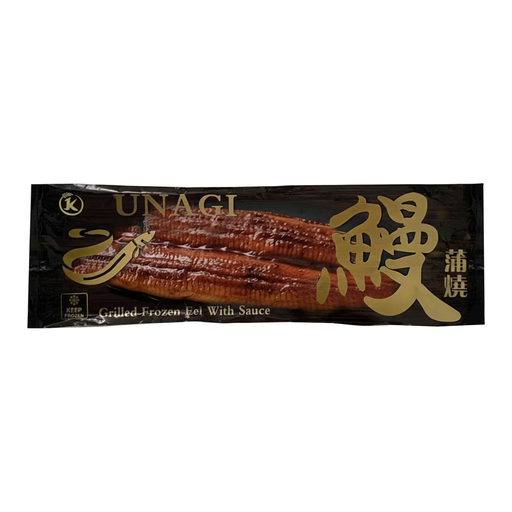
JK Frozen Roasted Eel (Unagi) 7oz (190 g-200 g)
Consider this prepared eel if your setup can keep it at −18°C until preparation and provide the microwave or boiling-water method described for it. Check the serving declaration before treating the pack as one meal. The product information lists eel, fish, soybeans and wheat and says not to refreeze after thawing.
View on Joybuy
 No image available
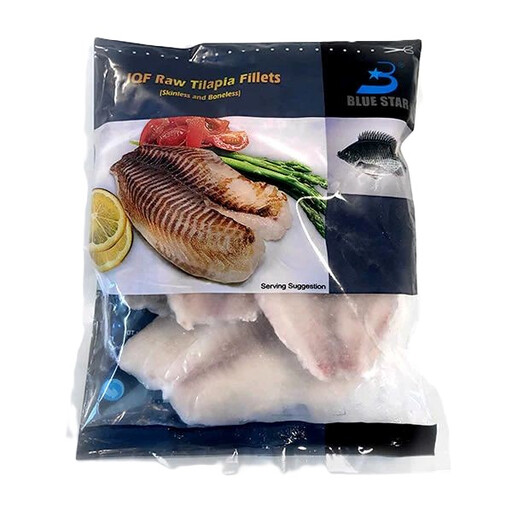
Blue Star Raw Tilapia Fillets 140/200g IQF, 720g Net
For a plain-fillet meal, compare the stated 140–200g fillet size range with the 720g pack and check its serving information. These individually quick-frozen, skinless fillets are raw and must be fully cooked; the product information warns that bones may occur. Confirm a cooking method you can follow, keep the pack at −18°C or below and do not refreeze after defrosting.
View on Joybuy
 No image available
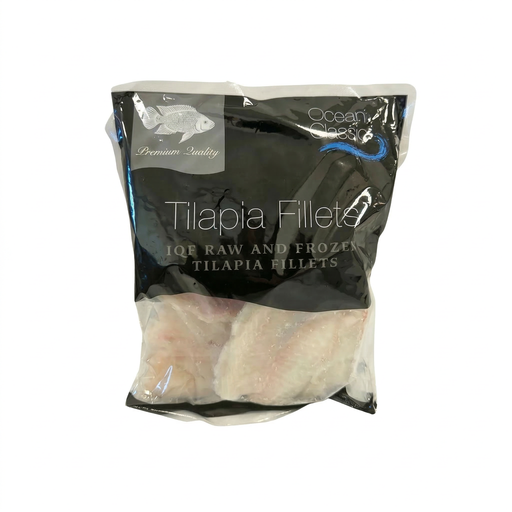
Ocean Classic Tilapia IQF Fillets, 1kg (800g Net)
This larger tilapia pack calls for a plan for more than one portion; check the fillet sizes and serving declaration against your meals. Its product information lists grilling, pan-frying, baking and steaming, and requires thawing before thorough cooking. Keep it at −18°C or below and do not refreeze after defrosting.
View on Joybuy
 No image available
Ocean Classic Pangasius IQF Fillets 170/200g, 1kg (800g Net)
For portion planning, check what the 170/200g size designation means on this 1kg pack and how many servings it provides. The individually quick-frozen fillets are described as skinless and boneless. Their preparation information calls for refrigerator thawing before cooking, so that step also needs to fit your camping setup; keep the product frozen below −18°C and do not refreeze after thawing.
View on Joybuy
Frequently asked questions
Can I take frozen fish camping?
Yes, if you can maintain the chosen pack’s required frozen-storage temperature until preparation and follow its cooking instructions. The cited Birds Eye, Young’s and M&S products require storage at −18°C or colder; if your setup cannot meet the applicable pack instructions, choose a different meal.
Is a two-fillet pack one serving?
Not necessarily. Sainsbury’s lists Young’s 2 x Breaded Cod Fillets 200g as two 100g servings. Check the serving declaration on the specific pack instead of deciding from its fillet count.
What cooking equipment do I need for frozen fish at camp?
You need equipment that can follow the exact product’s preparation directions, including any required thawing step. M&S states that its British Hake Fillets are raw and must be cooked; do not assume that a different cooking method is suitable for a product without checking its pack.
What should I check on a breaded fish pack?
Read the current ingredient and allergen declaration, serving count, frozen-storage requirement and cooking instructions for that exact product. A different coating or pack size may have different details, so do not transfer information from another fish product.


