Choose plain frozen fillets if you can keep the fish properly chilled if it thaws and have equipment to cook raw fish thoroughly. Breaded or battered fish is an option when you can follow the exact pack’s oven or air-fryer instructions. For a camping trip, a premium-range name matters less than the species, ingredients, storage instructions and whether you can cook the product at your pitch.
Who is frozen fish practical for?
Campers with powered refrigeration and cooking equipment
A fridge or suitable cooler gives you a way to check the temperature if fish thaws, while your cooking equipment determines whether raw fillets or oven-cooked products are practical. The Food Standards Agency advises storing camping food below 5°C.
Short-trip campers using a cool box
For a short trip, a well-insulated cool box with ice packs may be practical if you can check that food stays below 5°C. The Food Standards Agency warns that a cool box is unlikely to keep food chilled for an extended period.
Campers checking ingredients and allergens
Plain fish and coated portions have different ingredient lists. Compare the current pack’s allergens, fish content and bones warning as well as its cooking instructions, particularly if the meal is for someone with an allergy or a child.
What should you check before buying?
Start with storage and cooking: neither a named fish cut nor a premium label makes a pack suitable for equipment you will not have at camp.
| Priority | What to check | Your needs |
|---|
| Cold storage |
Read the frozen-storage and thawing instructions. If fish thaws during the trip, plan how to keep it below 5°C; the Food Standards Agency says a cool box is unlikely to maintain chilled storage for an extended period. |
I need to know the fish can stay at the required temperature from the journey until I cook it. For a longer stay without dependable refrigeration, I would choose food that does not need chilling. |
| Cooking equipment |
Match the exact pack’s appliance and cooking-from-frozen instructions to your pitch. Check how the product must be cooked through; do not substitute a pan or barbecue for an oven instruction without directions for that method. |
A camp stove is what I will have, so an oven-only coated product would not fit my meal plan. With oven or air-fryer access, I can consider packs that specify that appliance. |
| Fish and format |
Compare the named species and cut, ingredient list and, for a coated product, its stated fish percentage. Check sourcing or traceability information for the particular pack rather than relying on its range name. |
I am deciding whether a plain portion, a coated portion or a particular fish species is worth choosing for this meal—not assuming that the word “premium” settles it. |
| Allergens and bones |
Read the current ingredient and allergen statements, especially on coated fish. Check for a possible-bones warning even when a product is described as boneless. |
I need a pack whose declared ingredients suit the people eating with me, and I want to know whether to check pieces for bones before serving. |
Common camping-food mistakes
-
Treating a cool box as a freezer or multi-day fridge
The Food Standards Agency says a cool box is unlikely to keep food chilled for an extended period. Fish that thaws still needs temperature-controlled storage until cooking.
For a short trip, use ice packs and check that food stays below 5°C. For a longer stay, arrange dependable refrigeration or choose food that does not need chilling.
-
Choosing coated fish before checking the appliance
The Birds Eye battered and gluten-free fillets described by the brand have oven or air-fryer instructions. Those directions do not establish a method for a camping stove.
Read the cooking panel for the exact pack before buying, and choose a product with instructions that match the equipment at your pitch.
-
Letting “premium” stand in for the label
Premium ranges include both plain cuts and prepared fish, which can have different ingredients, storage needs and cooking methods.
Compare the species, cut, fish percentage where stated, allergens, sourcing information and cooking directions for each pack.
-
Assuming “boneless” rules out every bone
M&S Wild Icelandic Cod Fillets carry a possible-bones warning, and Sainsbury’s chunky hake fish fingers say some bones may remain despite their boneless description.
Read the warning on your pack and check portions before serving, particularly to children.
Brand and range references
These ranges illustrate different fish formats; their inclusion does not establish that a particular pack will suit your campsite setup.
M&S Food
A retailer range with plain frozen fillets, including cod. M&S describes fish on its frozen-fillet page as responsibly sourced and traceable.
- Its Wild Icelandic Cod Fillets page identifies the product as raw fish that must be cooked and may contain bones.
- Check the individual pack’s storage and cooking directions when planning the trip.
Young's
Young's sells natural fish portions alongside coated and prepared fish.
- Young's describes its natural-fillet range as suitable for cooking straight from frozen.
- Confirm the appliance and cooking time on the specific pack; a range description does not provide instructions for every product.
Birds Eye
The brand offers coated frozen-fish formats, including battered and gluten-free breadcrumb products.
- Its named battered fillets include air-fryer instructions, while its gluten-free breadcrumb fillets include oven instructions.
- Check the exact pack for appliance requirements, ingredients and allergens rather than assuming one coated product follows another’s directions.
Sainsbury's Taste the Difference
This range includes coated frozen fish, such as chunky hake fish fingers.
- Sainsbury's lists hake at 60% in its 480g chunky hake fish fingers.
- That product contains wheat, warns that bones may remain and has oven-cooking instructions, all relevant to a campsite meal.
Tesco Finest
Tesco lists frozen options under this range, including skinless and boneless cod loins and chunky cod fish fingers.
- The named cuts and formats give shoppers distinct types of product to compare.
- Check the chosen pack’s ingredients, storage and cooking directions; the range name alone does not describe them.
Asda
Asda has a frozen-fish-fillets category.
- The category offers a starting point for looking at plain-fillet formats.
- Use the details for an individual product to assess its species, ingredients and cooking method.
Frozen fish options on Joybuy
These options cover salmon steaks, coated cod and plain fish portions. Choose by the storage and cooking arrangements for your trip, then check the current pack before preparing the meal.
 No image available
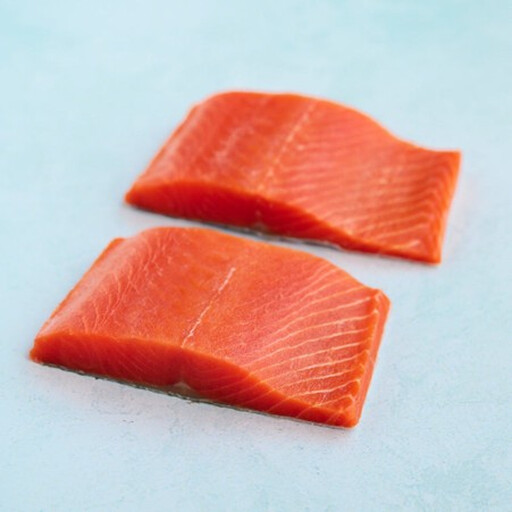
The Fish Society Wild Sockeye Salmon Fillet Steaks 220g
Consider these salmon steaks if you can keep them properly chilled if they thaw and have a way to cook fish thoroughly at camp. Check the pack’s thawing, cooking and allergen information before the trip.
Joybuy
 No image available
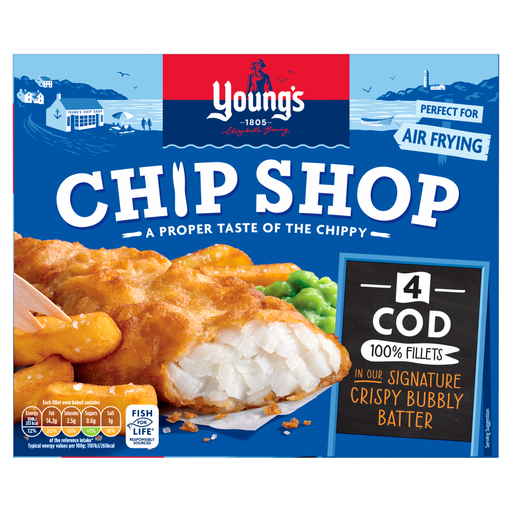
Young's Chip Shop 4 Cod Fillets 400g
A portioned cod option to consider if your campsite has the oven or air fryer called for in its cooking directions. Check the current pack for wheat and mustard, possible bones and the instructions for cooking the fillets through; do not assume a camp stove is an equivalent method.
Joybuy
 No image available
Ocean Classic Pangasius Fillet Skinless & Boneless IQF 170/200g, 1kg (800g Net)
An uncoated fillet option if you can plan chilled storage for any portions that thaw and cook them using the pack’s directions. The 1kg pack is worth checking against the number of portions needed for your trip; read its thawing and use-after-defrosting instructions before setting off.
Joybuy
 No image available
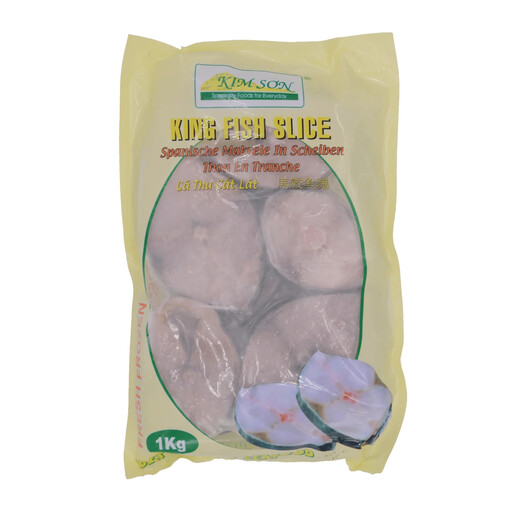
Kim Son King Fish Slice 1kg
These fish slices suit a meal plan with equipment for thoroughly cooking raw fish and dependable chilled storage if the pack thaws. Check the pack’s possible-bones warning and its instruction not to refreeze after thawing.
Joybuy
 No image available
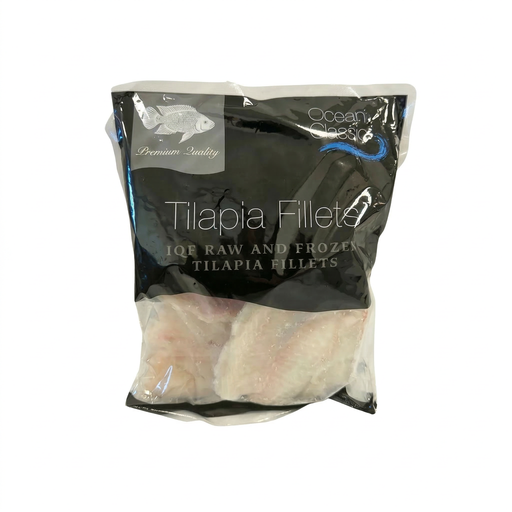
Ocean Classic Tilapia IQF Fillets 1kg (800g Net)
Consider these uncoated tilapia fillets if you can accommodate the pack’s thaw-before-cooking directions, keep thawed fish chilled and cook it thoroughly. Check how much of the 800g net pack you will use on the trip and follow its no-refreezing instruction after defrosting.
Joybuy
Frequently asked questions
Can I take frozen fish camping in a cool box?
A cool box may work for a short trip if you can keep food below 5°C and check its temperature. The Food Standards Agency warns that a cool box is unlikely to keep food chilled for an extended period; if you cannot maintain the required temperature, choose food that does not need chilling.
Must the fish stay frozen throughout the trip?
Follow the pack’s frozen-storage and defrosting directions. If the fish thaws, keep it below 5°C until cooking, and do not refreeze it when the product label prohibits refreezing after thawing.
Can I cook breaded or battered fish on a camping stove?
Only choose a product for a camping stove if its own instructions give a suitable method for your equipment. The named Birds Eye battered and gluten-free fillets have oven or air-fryer directions, which should not be treated as stove instructions.
Does “boneless” mean I can skip checking for bones?
No. Some products described as boneless still warn that bones may remain, including Sainsbury’s chunky hake fish fingers. Read the current pack and check portions before serving, particularly to children.


