Care-home caterers planning lower-fat meals
Plain frozen fish is worth comparing for regular-texture meals when a resident’s current nutrition plan calls for less fat. Check protein and the rest of the meal too, rather than choosing on fat alone.


Choose a plain frozen fish fillet when a resident’s assessed plan calls for less fat and they can eat the finished dish safely; compare its nutrition label with coated fish on the same per-100g or serving basis. Reduced fat is not a blanket care-home rule: Norfolk and Waveney Integrated Care System guidance calls for individual nutritional assessment, while the British Dietetic Association advises that a dish for someone with dysphagia must meet their prescribed texture requirements.
Plain frozen fish is worth comparing for regular-texture meals when a resident’s current nutrition plan calls for less fat. Check protein and the rest of the meal too, rather than choosing on fat alone.
A lower-fat dish may conflict with a resident’s need for more energy. Norfolk and Waveney Integrated Care System guidance calls for nutritional needs to be assessed and reviewed, so the individual care plan should guide the menu.
A retail fish fillet is not, by itself, a texture-modified meal. The British Dietetic Association places modified-texture diets within multidisciplinary dysphagia care; prepare and assess the finished dish against the resident’s prescribed IDDSI level.
Start with the resident’s nutrition and texture requirements, then compare product labels using matching quantities and preparation conditions.
| Priority | What to check | Your needs |
|---|---|---|
| Individual nutrition plan | Check whether less fat fits the resident’s current assessment. Consider the energy and protein supplied by the whole meal, not just the fish. | For this resident, I need a meal that follows their care plan, especially if poor intake or weight loss changes what they require. |
| Fat and protein | Compare fat and protein per 100g on the same raw or cooked basis. Sainsbury’s lists less than 0.5g fat and 22.3g protein per 100g of its oven-cooked cod; Tesco lists 0.6g and 20.8g per 100g when cooked as instructed. | I’m looking for a lower-fat regular-texture fish dish without overlooking its protein contribution. |
| Coating and salt | Read fat and salt figures alongside the stated serving size. Tesco’s listing for a Birds Eye breaded cod fillet gives 7.3g fat and 0.81g salt per oven-baked fillet; those per-fillet figures should not be compared directly with per-100g cod figures. | If the menu calls for coated fish, I want to know how its label fits the resident’s plan rather than assuming all fish dishes have similar nutrition. |
| Texture and allergens | Assess the finished dish against any prescribed IDDSI level. Check the current ingredients and allergy record: the Birds Eye and Young’s coated products listed by Tesco and ASDA contain fish, wheat and mustard. | The meal must match this resident’s swallowing requirements and recorded allergies, whatever fish format I buy. |
| Preparation | Follow the current pack’s cooking, storage and defrosting instructions. Check for bones during preparation even when a product is described as boneless; Sainsbury’s warns that bones may remain in its cod fillets. | I need a product the kitchen can prepare according to its instructions and serve in the form the resident requires. |
Coating changes the nutrition of the finished product. Retailer labels for plain cod and breaded fish also use different serving and preparation bases, which can make a quick comparison misleading.
Compare fat and salt on a matching per-100g basis where the labels allow it, then check the planned portion and whole meal.
Norfolk and Waveney Integrated Care System guidance identifies malnutrition risk among people living in care homes. A lower-fat meal may not fit an individual plan that calls for more energy.
Use the resident’s current nutritional assessment and care plan to decide whether a lower-fat fish dish is appropriate.
Boneless describes a product feature, not the consistency of the dish after cooking. The British Dietetic Association warns that inappropriate management of texture-modified diets carries serious risks.
Prepare and assess the final fish dish against the resident’s prescribed IDDSI level, while maintaining the nutrition required by their plan.
The listed coated products include wheat and mustard as well as fish, and retailer information for some plain fillets warns that bones may remain.
Check the current pack or supplier specification when a product changes, and follow its cooking and storage instructions.
These named products illustrate differences between plain and coated frozen fish; their labels should still be checked for the meal being planned.
Tesco Cod Fillets 360G is a plain frozen cod example for comparing regular-texture meals.
Sainsbury’s Skinless & Boneless Cod Fillets 360g provides another plain frozen cod example.
M&S Wild Icelandic Cod Fillets Frozen is a plain-fillet example listed by Ocado.
Birds Eye breaded cod is a coated-fish example for menus where that format is required.
Young’s breaded fish fillets offer a further coated-fish example, rather than a plain-fillet substitute.
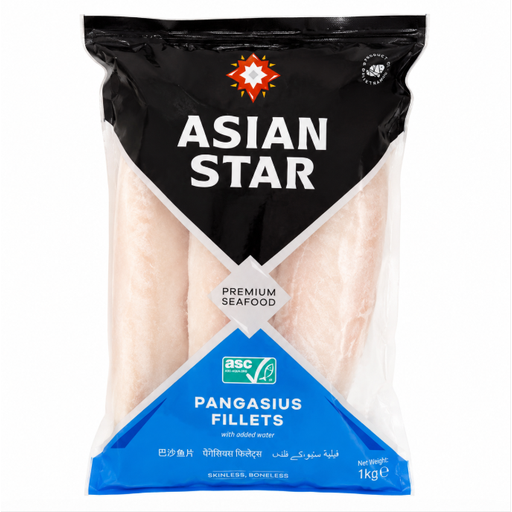
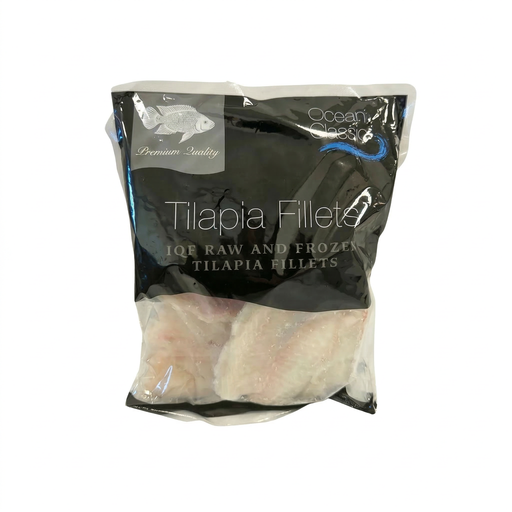
These frozen pangasius and tilapia fillets are options to consider for care-home fish meals. Select a product and prepare the finished dish in line with each resident’s nutrition and texture requirements.
 No image available
For a fish meal where the resident’s plan calls for less fat, compare the pack’s fat, protein and salt figures with other options. Check whether its per-100g nutrition refers to raw or cooked fish before comparing it with cooked-product labels, and assess the finished texture if required.
 No image available
For a regular-texture fish menu, assess this tilapia option against the resident’s fat and protein requirements. Confirm the basis of its per-100g nutrition before comparing it with cooked cod labels; a modified-texture meal requires assessment of the prepared dish.
 No image available
Consider these fillets where the resident’s plan permits a regular-texture fish dish. Compare the fat and protein figures on a consistent raw or cooked basis, and do not treat the skinless and boneless description as proof that the prepared dish meets an IDDSI level.
No. Norfolk and Waveney Integrated Care System guidance calls for residents’ nutritional needs to be assessed and reviewed, and notes the risk of malnutrition. A lower-fat fish meal should fit the individual plan rather than replace a higher-energy meal where one is needed.
Start with plain fillets if the resident can eat a regular texture, then compare labels on the same preparation and quantity basis. Sainsbury’s lists less than 0.5g fat per 100g oven-cooked for its plain cod, while Tesco lists 7.3g per oven-baked fillet for Birds Eye breaded cod; those different serving bases must not be treated as a direct numerical comparison.
Only if the finished dish is prepared and assessed to meet that resident’s prescribed texture requirements. The British Dietetic Association describes texture-modified diets as part of multidisciplinary dysphagia care; a retail fillet’s description does not establish its suitability after cooking.
Check the current ingredients and allergy record, any bone warning, and the new pack’s cooking and storage instructions. Tesco’s Birds Eye and ASDA’s Young’s coated-fish listings include fish, wheat and mustard, while Sainsbury’s warns that bones may remain in its skinless and boneless cod.