Choose the fish format around the meals the kitchen needs to serve: plain fillets leave more room to adapt a recipe, while coated or sauced portions come with ingredients and preparation instructions that need checking against residents’ requirements. For usable value, compare the fish and portions the kitchen can serve, preparation work and likely waste; check the delivered pack’s allergens, nutrition, bone warning and cooking instructions before adding it to a menu.
Who is this for?
Care-home catering managers planning menus
Compare usable portions, preparation work and waste across plain, coated and sauced fish. Public Health England’s 2017 residential-care catering guidance notes that some residents need higher energy or nutrient intakes, so the portion also needs to fit the individual menu plan.
Kitchens managing recorded food allergies
Check ingredients for the exact product and keep service information current. Fish is an allergen; the coated and sauced products listed by Asda in the examples below also identify ingredients such as wheat, milk or mustard.
Teams serving residents with texture requirements
A fillet or coated portion cannot be judged by its frozen appearance alone. The International Dysphagia Diet Standardisation Initiative (IDDSI) defines texture levels for people with dysphagia; the cooked meal needs to be assessed against each resident’s prescribed level through the home’s established procedures.
What matters when choosing?
Start with the meal format, then check the finished portion and the work needed to serve it.
Plain fish fillets
Choose when: The kitchen needs to vary sauces, seasoning or accompaniments between menus.
Trade-off: The kitchen must plan its own preparation and portioning, and check the exact pack’s bone statement.
Breaded or battered portions
Choose when: A stated portion count and a coated-fish menu format suit the planned service.
Trade-off: Check coating ingredients, salt per prepared serving and whether the cooked texture fits each resident’s requirements.
Fish in a prepared sauce
Choose when: The sauce and stated preparation method fit the menu and kitchen workflow.
Trade-off: A prepared sauce gives the kitchen less control over ingredients; check its allergens and nutrition as part of the complete meal.
| Priority | What to check | Your needs |
|---|
| Meal nutrition | Compare energy, protein and salt on the same prepared-serving basis. Check whether the stated portion fits the planned meal. | I need a fish portion that works within individual menus, including where residents have different energy or nutrient requirements. |
| Allergens | Read the current ingredient declaration for the exact product. Check fish and any additional allergens in coatings or sauces, then update records if a product changes. | Our kitchen needs ingredient information it can use for residents with recorded allergies, including when suppliers substitute a pack. |
| Texture and bones | Check the current bone warning. Assess the cooked dish against any prescribed IDDSI texture level through the home’s established procedures. | A familiar-looking fillet is not enough for a resident whose meal needs an assessed texture. |
| Usable portions | Compare stated servings, fish or net weight, glaze where declared, and the portions the kitchen can prepare from the pack. | I want to plan the number of meals a pack can serve without treating its total weight as ready-to-serve fish. |
| Kitchen workflow | Match cooking and frozen-storage instructions to available equipment, freezer capacity and service timing. | The team needs a format it can store and prepare consistently alongside the rest of the menu. |
Common buying mistakes
-
Comparing packs without comparing usable portions
Pack weight, stated servings, coatings and preparation work can differ, so two packs may serve different numbers of meals.
Check the stated fish or net weight, portion count and cooking method, then assess the prepared serving on a consistent basis.
-
Treating coated fish as just fish
Asda’s listings for Birds Eye battered fillets and Young’s breaded fillets identify additional allergens, including wheat and mustard; the cited Birds Eye product also contains milk.
Check the delivered product’s full ingredient declaration and update the home’s allergen information when a product or supplier changes.
-
Assuming a flaky or coated portion meets a texture requirement
Neither “fillet” nor “breaded” identifies the texture of the finished meal against an individual’s prescribed IDDSI level.
Follow the resident’s assessed plan and the home’s established procedures when evaluating the cooked dish.
-
Using an old product page as the final specification
Asda advises that product ingredients, nutrition and allergy information may change. A previous record may no longer describe the delivered pack.
Read each delivered pack and refresh the supplier specification and kitchen records when its identity or declaration changes.
Brand and retailer references
These examples illustrate formats and pack checks; a brand name alone does not establish whether a product fits a resident’s menu.
Birds Eye
The Birds Eye battered-fillet listing at Asda is an example of a coated, two-fillet frozen-fish pack.
- The listing provides allergen, storage and per-fillet nutrition information.
- It identifies fish, wheat, milk and mustard, lists 1.2 g salt per prepared fillet and warns that some bones may remain.
Young’s
Young’s products listed by Asda include breaded fillets and fish steaks in a prepared sauce, each with four stated servings.
- The cited packs provide a stated serving count for menu planning.
- The breaded fillets contain fish, wheat and mustard; the cited butter-sauce steaks contain fish, milk and wheat. Check the nutrition and instructions for the particular pack.
Tesco
For a Tesco frozen-fish option, compare the exact product rather than assuming that products within a retailer’s range share ingredients or preparation requirements.
- Check the delivered pack’s fish weight, portion guidance, allergens and bone statement before adding it to a care-home menu.
Sainsbury’s
Sainsbury’s frozen-fish range lists skinless and boneless cod fillets, white-fish fillets and breaded pollock fish fingers.
- These examples give kitchens plain and coated formats to compare.
- Check the exact product’s current ingredients, prepared-serving information and suitability for the planned meal.
Asda
Asda’s listings for the cited Birds Eye and Young’s products provide pack-level ingredients and nutrition information for an initial comparison.
- The cited listings identify serving information and allergens for specific coated or sauced products.
- Asda advises customers to read the label because product information can change.
M&S
M&S describes its Battered Cod and Lightly Dusted Cod as differently coated frozen-cod options.
- M&S describes the lightly dusted product as coated in seasoned flour.
- Check the current pack’s ingredients, nutrition and cooking instructions for the chosen cod product.
Frozen fish options on Joybuy
These options span plain fillets, sliced king fish, coated portions and prepared eel. Compare each pack with the meal format and resident requirements you need to accommodate.
 No image available
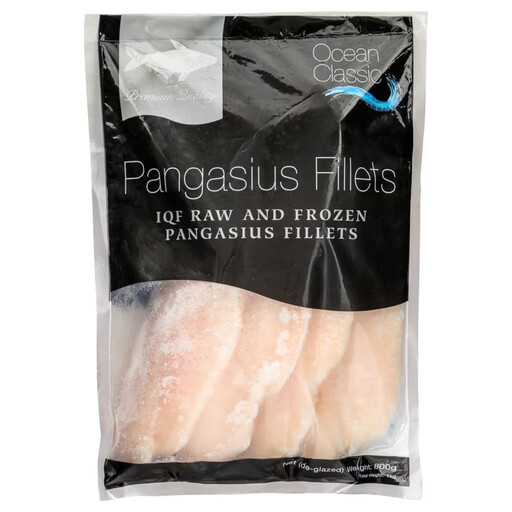
Ocean Classic Pangasius Fillet Skinless & Boneless IQF 170/200g, 1kg (800g Net)
A plain-fillet option for kitchens preparing their own fish dishes. The title gives 170/200g and 1kg (800g Net) pack figures; confirm the usable fish weight and portions against the delivered pack before menu planning. Assess the cooked meal against any resident-specific texture requirement.
 No image available
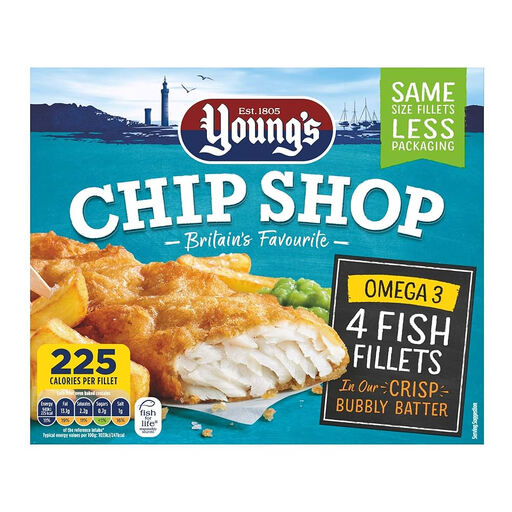
Young’s 4 Chip Shop Omega 3 Fish Fillets 400g
A four-fillet coated option when that format suits the planned menu. Joybuy’s ingredient listing identifies Alaska pollock and allergens including fish, gluten, milk and mustard; check the delivered pack and whether the cooked portion meets each resident’s requirements.
 No image available
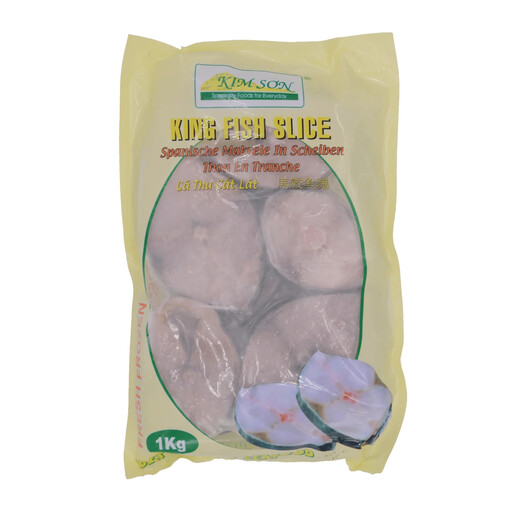
Kim Son King Fish Slice 1kg
A sliced-fish ingredient for a menu the kitchen prepares. The title states a 1kg pack; confirm usable portions, cooking directions and bone information on the delivered product before service.
 No image available
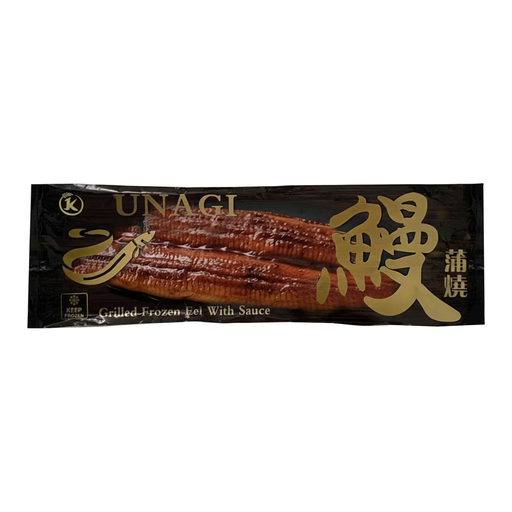
JK Frozen Roasted Eel (Unagi) 7oz (190 g-200 g)
A prepared eel option for a menu that calls for this format. Check the delivered pack’s sauce ingredients and allergens, preparation instructions and usable servings before assigning it to a meal.
 No image available
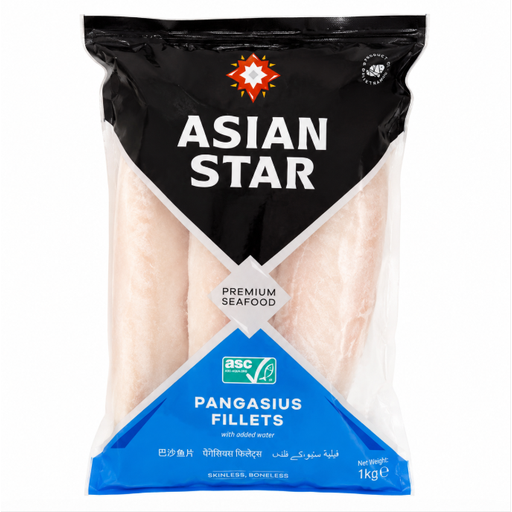
Asian Star White Pangasius Fillet 1kg (Net 800g)
A fillet option for kitchens planning their own recipe. The title distinguishes 1kg from the stated 800g net weight; confirm the usable portions, ingredients and cooking instructions on the delivered pack.
Questions about buying and serving
How should a care home account for different residents’ nutritional needs?
Check the prepared portion against each resident’s assessed meal plan rather than choosing one fish format for everyone. Public Health England’s 2017 residential-care catering guidance notes that some individuals require higher energy or nutrient intakes.
Can breaded or battered fish be served to a resident with a recorded allergy?
Only if the exact product’s ingredients and the home’s allergen controls fit that resident’s requirements. Food Standards Agency guidance calls for effective allergen management; the cited coated-fish listings at Asda identify fish and additional allergens such as wheat, mustard or milk.
Are ordinary frozen fish fillets suitable for a texture-modified meal?
Not automatically. IDDSI defines texture levels, but a frozen product name does not establish the texture of the cooked dish. Follow the resident’s assessed level and the home’s established procedures.
What freezer and cooking details should the kitchen check?
Follow the instructions on the exact pack and check that storage and cooking equipment can accommodate them. Food Standards Agency MyHACCP guidance addresses facilities for freezing, storing frozen food, cooking and temperature monitoring; Asda’s cited Birds Eye listing specifies storage at −18°C or cooler.
Is an online ingredient listing enough for the final menu record?
No. Use it to compare products, then check the delivered pack and current supplier specification before service. Asda warns that ingredients, nutrition and allergy advice may change and advises reading the label.


