Care-home menu planners
A premium fillet may provide a different fish course for a special lunch. Check its bones warning, cooking method and finished presentation alongside the needs of the residents due to eat it.


Choose a premium frozen fillet for a care-home meal when its particular format and presentation suit the residents being served and the kitchen can prepare it to their care plans. Plain fillets offer more control over the finished dish, while coated portions may fit a familiar menu but call for closer checks of ingredients and the served portion. A premium description or a boneless label does not establish suitability for a resident with swallowing difficulties or allergies.
The menu occasion matters, but the requirements of each resident and the way the meal will be prepared determine whether a fish product is appropriate.
A premium fillet may provide a different fish course for a special lunch. Check its bones warning, cooking method and finished presentation alongside the needs of the residents due to eat it.
Plain fillets give the kitchen scope to choose a recipe and portion, while coated products arrive with additional ingredients. Either choice still needs preparation that fits the individual meal plan.
For a resident with an allergy or a prescribed modified texture, match the current product information to the care record. Food Standards Agency guidance for institutional caterers emphasises communicating dietary needs to those serving the food.
Choose the dish format for the menu, then check the product and preparation against the residents who will receive it. A change in fish species or coating does not remove the need for those individual checks.
Consider it when: a special fish course calls for a particular presentation and the finished dish fits residents’ care plans.
Bear in mind: M&S describes its Collection Norwegian Halibut as skin-on and firm with large flakes; neither its premium positioning nor its boneless description establishes suitability for a prescribed modified texture.
Consider it when: the kitchen wants to choose the seasoning, sauce and portion for the meal.
Bear in mind: the finished recipe, rather than the plain fillet alone, must meet each resident’s requirements; check for bones during preparation.
Consider it when: a familiar coated-fish dish fits the planned menu and the residents being served.
Bear in mind: coatings can add allergens and change the nutrition per served portion; their texture also needs checking where a modified-texture diet is prescribed.
| Priority | What to check | Your needs |
|---|---|---|
| Resident and menu fit | Compare the proposed dish with individual care plans, preferences and the planned portion. Check nutrition on the current pack and account for the finished recipe, not just the fish. | I need a fish course that works for the people eating it, rather than choosing a premium label for the whole dining room. |
| Texture and bones | Check the bones warning and the texture after preparation. For a resident with a prescribed modified-texture diet, follow their assessed requirements; South Tees Hospitals NHS Foundation Trust notes that such recommendations may follow a speech-and-language-therapy assessment. | If someone has swallowing difficulties, I need to know how their portion will be prepared and served. A description such as ‘boneless’ or ‘flaky’ cannot answer that question. |
| Allergens and ingredients | Read the current ingredients and allergen declaration for fish and any coating. Match them to the care record and pass the requirement through to preparation and service, as Food Standards Agency guidance for institutional caterers describes. | I may need a specified exclusion, but I cannot assume a free-from coating addresses every allergy. |
| Nutrition per portion | Compare like-for-like pack values, including the stated cooking method and serving size. For example, Tesco Groceries lists 0.79 g salt per oven-baked Birds Eye Breaded Haddock fillet; Sainsbury’s lists 0.96 g per oven-cooked Free From Breaded Cod fillet. | When planning a menu, I want values for the portion we will actually serve, with any sauce or accompaniment considered separately. |
| Storage and cooking | Check whether the product is frozen or has been defrosted, then follow its storage, thawing and cooking instructions. Confirm that the kitchen can store it and monitor temperatures appropriately, in line with Food Standards Agency MyHACCP guidance. | A product needs instructions and a portion format our kitchen can use consistently during service. |
Product descriptions can use ‘boneless’ while warning that bones may remain. That distinction matters when preparing food for someone with swallowing difficulties.
Keep the current pack warning in the kitchen’s preparation instructions, check the fish and follow the resident’s swallowing-risk plan.
Coatings change the ingredient list and the nutrition of the served portion. Tesco Groceries lists wheat and mustard in Birds Eye Breaded Haddock, alongside 0.79 g salt per oven-baked fillet.
Compare current labels by the portion and cooking method you intend to use, and check whether a plain-fillet dish would better fit a particular resident’s plan.
Sainsbury’s labels its Free From Breaded Cod milk and gluten free, but the product contains fish and carries a warning that bones may remain.
Match the named exclusions and full current allergen declaration to the care record, then communicate the requirement to everyone preparing and serving the meal.
M&S describes its Collection Norwegian Halibut as firm and large-flaking. Those characteristics do not show whether the finished dish meets an individual’s prescribed modified texture.
Check the resident’s assessed requirements before choosing the product, and specify how their portion must be prepared and served.
These examples illustrate different frozen-fish formats. A brand’s wider range should not be treated as having the same ingredients, nutrition or preparation instructions as a named product.
M&S offers plain frozen fillets as well as its Collection Norwegian Halibut, which the brand presents as a fish for a special meal.
Tesco Haddock Fillets provide a plain-fish reference for a menu prepared by the kitchen.
Breaded Haddock offers a coated format for a menu where that style of fish is wanted.
Young’s Chip Shop Haddock is a battered option rather than an uncoated fillet.
Sainsbury’s Free From Breaded Cod is a coated-fish option labelled milk and gluten free.
These options include plain frozen fillets, fish slices and a coated cod product. Compare each one with the intended meal and the residents’ care plans; this is not a list of products approved for modified-texture diets.
 No image available
A plain-fillet option for a kitchen preparing its own fish dish. The title states a 1kg total pack weight and 800g net weight; check the current pack’s instructions and prepare each portion to the resident’s care plan.
 No image available
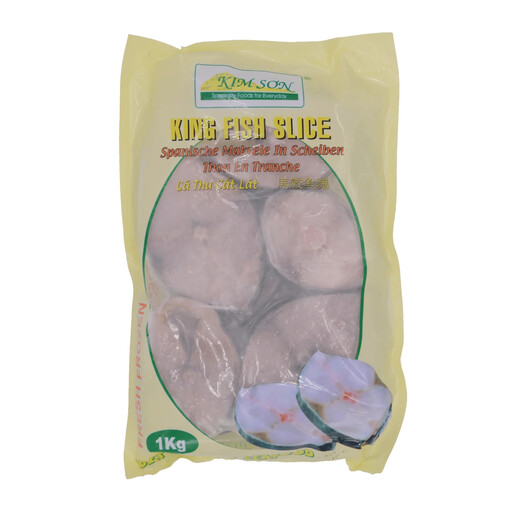
A sliced-fish option where that cut fits the planned dish. The fish is raw and requires thorough cooking; its product information warns that small bones may be present. Check the prepared portion against the resident’s care plan.
 No image available
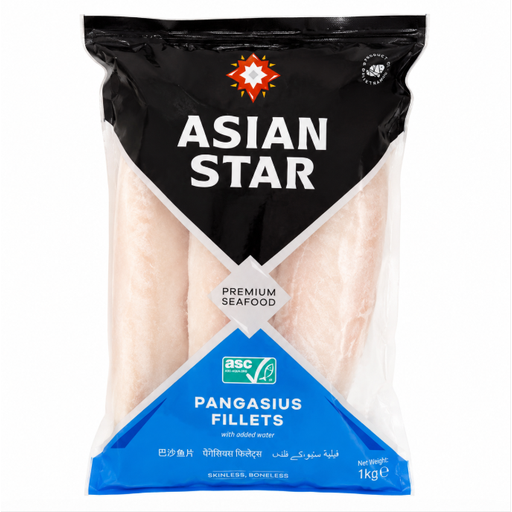
A plain pangasius option for a kitchen-led recipe, with 800g net weight stated in the title. Check the current pack’s ingredients, bones warning and preparation instructions before planning individual portions.
 No image available
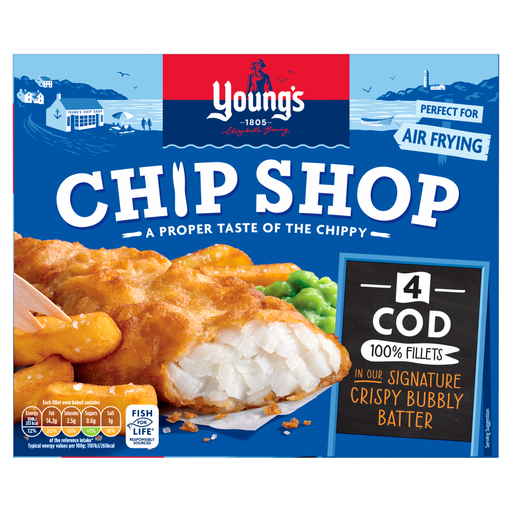
A cod option for a familiar coated-fish meal. Check the current pack’s coating ingredients, allergens, nutrition per prepared fillet and cooking instructions, as well as whether the finished texture fits each resident’s plan.
 No image available
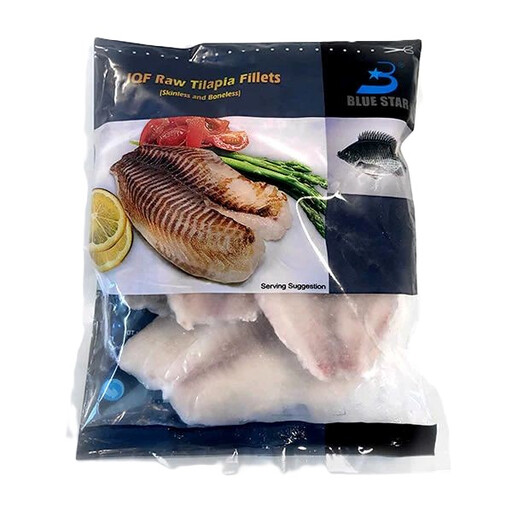
A plain tilapia option identified as IQF in the title. Although the title says boneless, the product description warns that bones may occasionally remain. Check the current warning, prepare the fish accordingly and follow each resident’s care plan.
No. Choose it for a particular meal only after checking the residents’ assessed needs, preferences, allergies, bones risk and the texture of the finished dish. A premium description says nothing about suitability for an individual care plan.
Only if the prepared dish meets that resident’s assessed requirements. South Tees Hospitals NHS Foundation Trust explains that some care-home residents with swallowing problems are recommended modified-texture diets following a speech-and-language-therapy assessment. Follow the individual recommendation rather than relying on words such as ‘flaky’ or ‘boneless’.
Check the coating’s ingredients, allergens, nutrition per served portion and finished texture as well as the fish itself. The Tesco Groceries listings for Birds Eye Breaded Haddock and Young’s Chip Shop Haddock show different salt and fat values per oven-baked fillet, so use the current label for the exact product and preparation method.
Match the current product label to each resident’s care record and communicate the requirement to those preparing and serving the food. Food Standards Agency guidance for institutional caterers describes this communication process; a milk- or gluten-free label does not mean that a fish product is free from fish.
Follow the instructions on the specific pack, including its frozen-storage, thawing, cooking and refreezing directions. M&S states that its British Hake Fillets should be kept frozen at −18°C; the kitchen also needs suitable frozen-storage and temperature-monitoring arrangements, as described in Food Standards Agency MyHACCP guidance.