Couples planning flexible meals
Plain fillets let you decide on the seasoning and accompaniments for each meal. Before choosing a pack, check how many portions it contains and whether its preparation instructions fit your plans.


For meals for one or two, choose plain frozen fillets if you want to add your own seasoning, salmon if you are planning an oily-fish meal, or coated fish if you prefer its flavour and preparation format. Check the number of portions and the exact pack’s ingredients, bone warning and cooking instructions: a coated product is not interchangeable with a plain fillet, and not every frozen fish can be cooked without defrosting.
Plain fillets let you decide on the seasoning and accompaniments for each meal. Before choosing a pack, check how many portions it contains and whether its preparation instructions fit your plans.
If you want to include different types of fish during the week, distinguish oily fish such as salmon from white fish such as cod or haddock. The NHS recommends at least two portions of fish a week, including one of oily fish; it describes a portion as around 140g.
A cook-from-frozen product avoids planning a defrosting step. Young’s describes its natural fillets as suitable for cooking from frozen, and Sainsbury’s gives a frozen-to-oven method for its skinless and boneless cod. Follow the instructions for the product you buy.
Choose the fish and preparation format first, then check whether the portions, ingredients and cooking method work for your household.
Choose when: You want to season a fillet yourself and use it with different sides or sauces.
Bear in mind: You will need to provide the flavouring and accompaniments; a boneless description may still carry a bone warning.
Choose when: You are planning an oily-fish meal as part of the NHS guidance on varying fish types.
Bear in mind: Salmon has a different flavour from white fish, so decide whether it suits the meal you have in mind.
Choose when: You want the coating or seasoning included rather than adding your own.
Bear in mind: Batter, breadcrumbs, sauces and seasonings change the ingredients and nutrition information you need to compare.
| Priority | What to check | Your needs |
|---|---|---|
| Fish type | Read the species name rather than relying on the product picture. The NHS identifies salmon as oily fish and cod and haddock as white fish; its fish-portion guidance is around 140g. | I’m planning a fish meal for one or two and want to know whether it includes the oily-fish portion in NHS guidance. |
| Ingredients | Compare plain fish with any batter, breadcrumbs, marinade or sauce. Read the ingredients, allergen information and nutrition values on the exact pack. | Some meals call for my own seasoning; for others, I’d rather use a product that is already coated or flavoured. |
| Portions | Check the number and size of pieces, the stated fish weight and any protective glaze. Sainsbury’s lists its 360g skinless and boneless cod as approximately four servings. | A pack needs to fit the number of meals I intend to make and the space I have in the freezer. |
| Preparation | Check whether the exact product can be cooked from frozen or needs refrigerator defrosting. Use its stated method and instructions for your appliance. | On a day when I have not planned ahead, I want to know whether I can cook the fish straight from the freezer. |
| Storage and bones | Read the freezer, thawing and refreezing directions. Check for bone warnings even on products described as boneless: Sainsbury’s warns that some bones may remain in its boneless cod. | I want to plan when to use any thawed fish and check pieces before serving them. |
| Sourcing | Look for a sourcing or certification statement on the specific product, along with species and catch-area details where given. Do not assume a claim applies to every item in a range. | If sourcing matters to me, I want the claim to relate to the fish in the pack I’m buying. |
A coating or sauce adds ingredients and changes the product’s nutrition information. The NHS also notes that frying can increase fat content, particularly with batter; check the preparation method rather than judging by the fish species alone.
Choose plain fish when you want to control the additions yourself. If you choose coated fish, compare its ingredients, allergens and per-serving nutrition information.
Sainsbury’s warns that some bones may remain in its skinless and boneless cod fillets despite the steps taken to remove them.
Read the warning on your pack and check the fish before eating or serving it.
Protective glaze and portion format affect how useful a pack is for meal planning. Sainsbury’s identifies its 360g cod weight as excluding protective glaze and describes the pack as approximately four servings.
Compare the stated fish quantity and number of portions, then consider how many meals you plan to make from the pack.
A product that requires defrosting needs advance planning. Marks & Spencer’s hake and cod instructions say not to refreeze after thawing; their directions should not be assumed to apply to every fish product.
If you need to cook straight from frozen, choose a pack that gives that method. Otherwise follow its refrigerator-defrosting and refreezing instructions. The Food Standards Agency recommends refrigerator defrosting where possible and use within 24 hours of full defrosting.
These brand and supermarket ranges illustrate different fish formats; check the individual product rather than assuming every item in a range has the same ingredients or cooking method.
Birds Eye offers frozen fish products for shoppers considering prepared fish alongside fillets.
Young’s natural-fillets range includes Atlantic cod and Pacific pink salmon, alongside its other frozen-fish formats.
Sainsbury’s lists plain frozen fillets including cod, salmon and basa.
Tesco’s frozen-fillet category lists formats including hake, salmon and cod loins.
M&S lists frozen fish fillets including plain and lightly dusted options.
These options include salmon for an oily-fish meal, uncoated pangasius fillets, battered fish and a single marinated fish steak. The steak is an alternative to a fillet, so compare its format as well as its portion size.
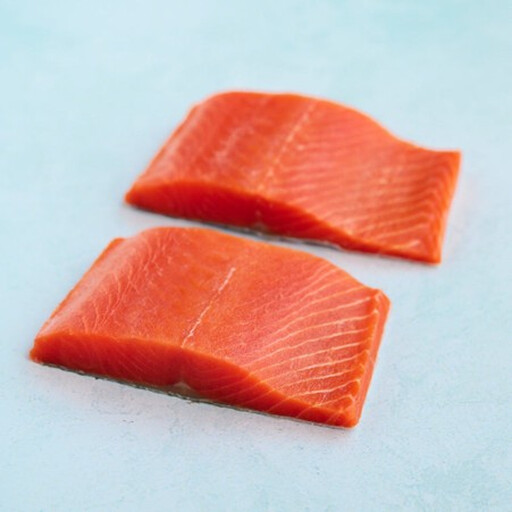 No image available
Consider these salmon fillet steaks when planning an oily-fish meal for one or two. They are skin-on and need thawing before cooking; check for bones when serving.
 No image available
These uncoated fillets offer a fish base to season yourself. The title specifies individually quick-frozen (IQF) fillets and 800g net weight; plan how you will use the pack and allow for refrigerator thawing.
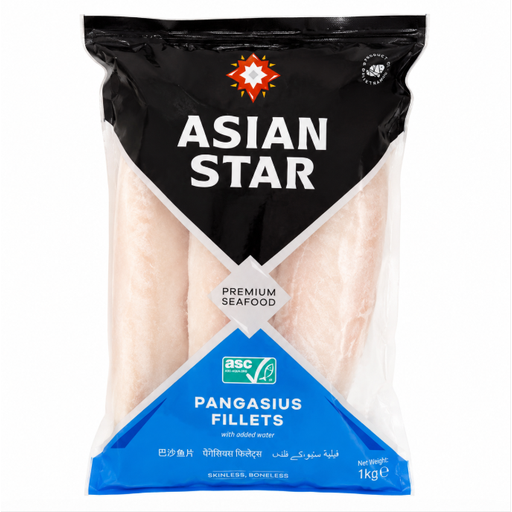 No image available
This uncoated pangasius option suits meals where you want to add your own flavouring. The pack states 800g net weight; check its piece count, whether the frozen pieces separate and its cooking directions before planning individual meals.
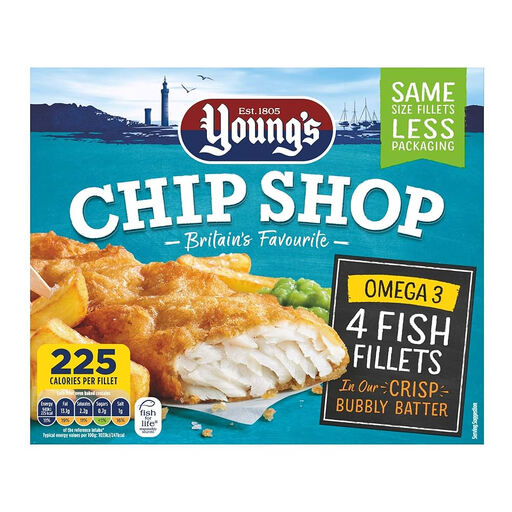 No image available
Choose this four-fillet battered format if you want a coated fish meal rather than a plain fillet to season. It can be oven-cooked from frozen; check the current pack’s allergens, nutrition information and bone warning.
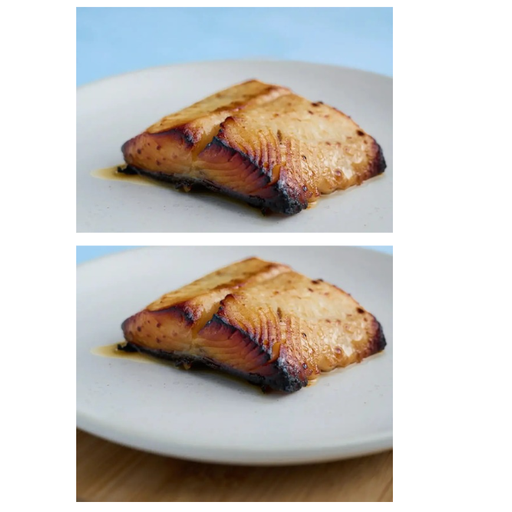 No image available
This single marinated steak fits a one-person meal plan, but it is not a plain fillet. Allow for defrosting and check the current ingredients and allergen information if the miso marinade affects your choice.
Choose cod or haddock when you want a white-fish base to season yourself; choose salmon when you are planning an oily-fish meal. The NHS identifies salmon as oily fish and recommends that one of at least two weekly fish portions be oily fish.
Some can be cooked from frozen. Sainsbury’s gives frozen-to-oven instructions for its skinless and boneless cod, but cooking methods differ, so follow the directions on the exact pack.
Follow your product’s refreezing instructions rather than assuming you can. M&S says not to refreeze its hake and cod after thawing. The Food Standards Agency recommends defrosting food in the refrigerator where possible and using it within 24 hours of full defrosting.
Not necessarily. Sainsbury’s warns that some bones may remain in its skinless and boneless cod, so read the warning on your pack and check the fish before serving.
Read the current ingredients, allergen information, nutrition values and cooking directions for that product. A coating, sauce or marinade changes what you are buying compared with a plain fillet, and the details can differ between products.