Two-slot freezer planners
If space is tight, a plain white fish and salmon offer more distinct meal options than two similar coated fish products.


For two freezer slots, a plain cod or hake option alongside salmon gives you a flexible white fish and an oily fish rather than two similar coated products. Choose coated fish instead when a straightforward oven meal matters more than having a plain ingredient. Check each pack’s storage, cooking and allergen instructions before buying.
If space is tight, a plain white fish and salmon offer more distinct meal options than two similar coated fish products.
Keeping salmon alongside white fish makes it easier to plan a meal with oily fish. NHS guidance recommends two portions of fish a week, including one portion of oily fish.
Breaded or battered fish may suit a familiar oven-cooked meal. Compare the exact product’s fish species, cooking directions and allergens rather than assuming coated products are alike.
Decide what each freezer slot needs to do, then compare the packs themselves: fish type, preparation, quantity and instructions can all change how useful a choice is.
Choose it when: You want an uncoated fish to season and serve in different meals.
Trade-off: A plain fillet needs more preparation than a coated, oven-ready product; check for bones and follow its cooking directions.
Choose them when: Your second slot is for oily fish; NHS guidance includes one oily-fish portion among two weekly fish portions.
Trade-off: Salmon’s richer flavour will not suit every recipe that calls for a mild white fish.
Choose it when: An oven-cooked meal with less preparation matters more than an uncoated ingredient.
Trade-off: The coating makes it less flexible for other recipes, and ingredients and cooking directions differ by product.
| Priority | What to check | Your needs |
|---|---|---|
| Fish variety | Compare species and whether each fish is plain or coated. Check pack weight and portion format rather than assuming two packs cover the same number of meals. | I have room for two choices and want them to work for different meals, not duplicate the same coated-fish option. |
| Preparation | Read the cooking method and directions on each pack. Check whether it calls for cooking from frozen or thawing first. | For a straightforward oven meal, I may prefer coated fish; for seasoning and sauces, I want a plain ingredient. |
| Sourcing | Look for named origin or traceability details on the exact product. If independent confirmation matters, check the pack for an independent label rather than relying on a brand claim alone. | I want clear sourcing information. In the Marine Stewardship Council and GlobeScan’s 2022 survey of 1,000 UK self-identified seafood consumers, 77% said supermarket or brand sustainability and environmental claims need clear labelling by an independent organisation. |
| Storage and allergens | Follow the pack’s frozen-storage, thawing and cooking instructions. Read its current allergen declaration, particularly for coated or marinated fish. | I need to know how to store and prepare the fish I choose, and which ingredients are in that specific pack. |
Two breaded or battered white-fish products may serve much the same kind of meal and leave no oily-fish option in the freezer.
If variety is the aim, consider plain cod or hake alongside salmon. Give a slot to coated fish when easier preparation is the stronger priority.
Species, coatings, ingredients and cooking methods differ, so one product may not work in a recipe intended for another.
Compare the fish species, pack size, preparation and allergens on the exact products you are considering.
Marks & Spencer directs buyers of its Wild Icelandic Cod Fillets to store them at -18°C, defrost in a refrigerator, use within 24 hours of defrosting and not refreeze after thawing. Those are instructions for that product, not every frozen fish.
Keep each product frozen as directed and follow its own thawing and cooking instructions.
Its frozen range includes named plain fish options such as Wild Icelandic Cod Fillets and British Hake Fillets, as well as Scottish Salmon Portions.
Young's lists natural Atlantic cod and Pacific pink salmon fillets alongside other frozen fish formats.
Birds Eye’s frozen range includes coated cod, haddock and Alaska pollock products, as well as fish fingers.
These options cover salmon, plain hake, marinated fish, coated cod and king fish slices. Compare them as alternatives for two freezer slots, choosing the formats that match the meals you intend to make.
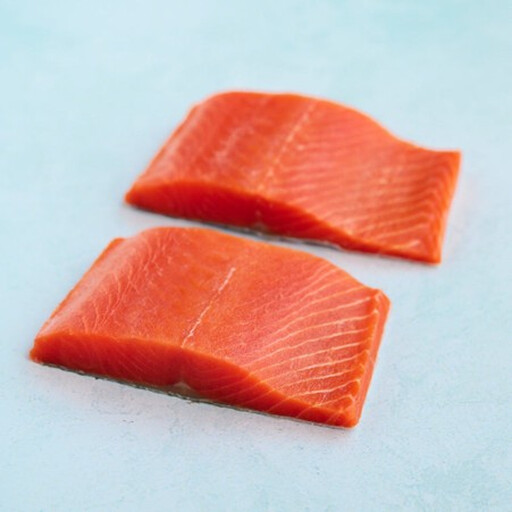 Image unavailable
A salmon option for the oily-fish freezer slot. The pack is labelled 220g; follow its cooking directions and check the current allergen information.
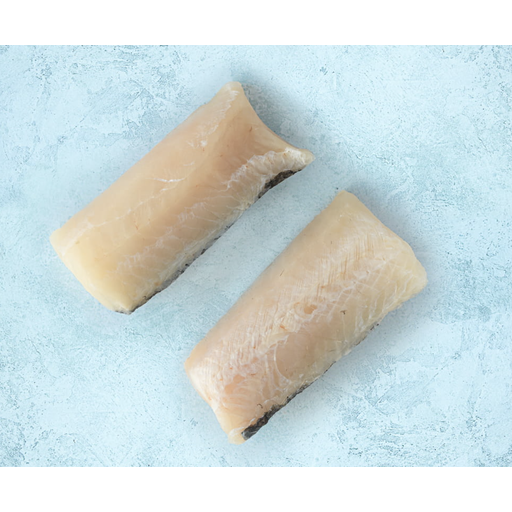 Image unavailable
Hake is a white-fish choice to consider when you want to season the fish yourself. The pack is labelled 280g; check its storage, cooking and allergen instructions.
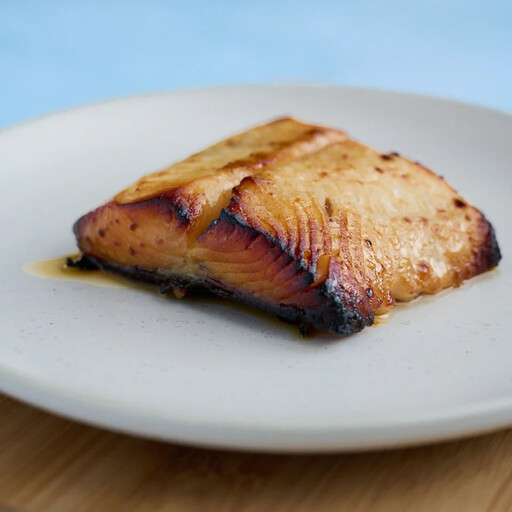 Image unavailable
This single marinated steak is a different choice from a plain fillet; do not assume it fills the salmon slot. Check the current ingredients and allergens, particularly if soy matters to you, and follow the pack’s storage and cooking directions.
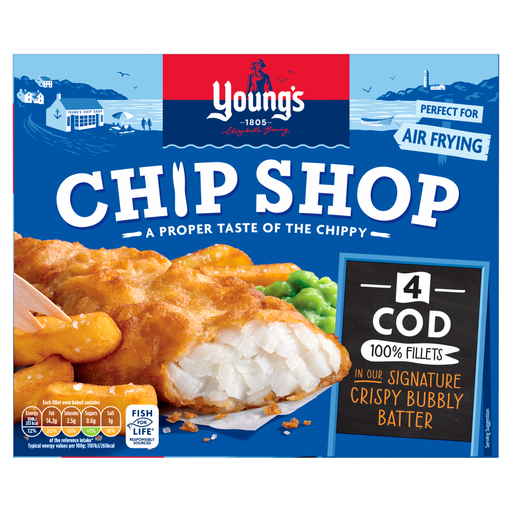 Image unavailable
Consider this four-fillet cod pack when a coated fish meal matters more than having a plain ingredient. The pack is labelled 400g; check its current allergens, bone warning and cooking directions.
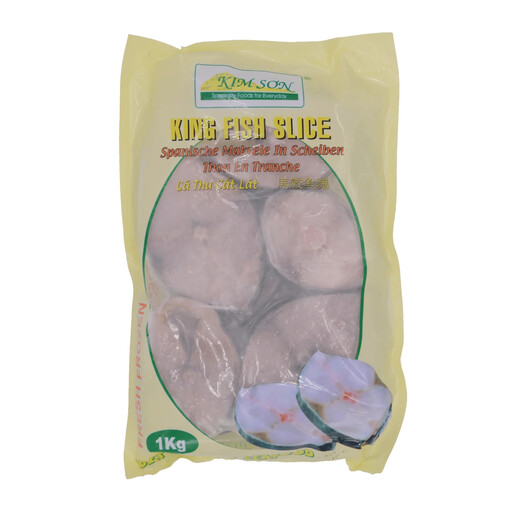 Image unavailable
A 1kg pack of fish slices is worth considering if you plan several meals around plain fish. Do not treat it as a confirmed substitute for either the white-fish or oily-fish slot; check the species, bones and cooking directions on the pack.
Consider a plain cod or hake option alongside salmon if you want a flexible white fish and an oily fish for different meals. If a straightforward coated-fish meal is more useful to you, give it one slot instead of buying a second similar plain or coated product.
Salmon is an oily-fish option. NHS guidance recommends at least two portions of fish a week, including one of oily fish; check the pack’s quantity against the portions you intend to serve rather than assuming every pack contains two portions.
Yes, if a familiar meal with less preparation is the priority. Choose a plain fillet when you want to add your own seasoning or use the fish in different recipes, and read the coated product’s ingredients, allergens and cooking directions.
Follow the instructions for the exact product. Marks & Spencer says its Wild Icelandic Cod Fillets should be defrosted in a refrigerator, used within 24 hours and not refrozen after thawing; the product is raw and must be cooked.
Read the current pack’s allergen declaration for the fish and any coating or marinade ingredients. Do not assume that two products containing the same fish species have the same ingredients.