Hosts planning a fish main
Plain fillets leave you to choose the seasoning, sauce and Christmas sides. Compare pack weights and any portion guidance with your guest count before settling on a fish.


Choose plain frozen fillets when you want to set the portions, seasoning and sides yourself; choose coated fish for a simpler family meal; or consider a prepared fish centrepiece if its size and cooking instructions fit your Christmas plans. Check the specific pack for ingredients, allergens, cooking and defrosting directions rather than treating these formats as interchangeable.
The meal you are planning matters more than whether the pack simply says “frozen fish”.
Plain fillets leave you to choose the seasoning, sauce and Christmas sides. Compare pack weights and any portion guidance with your guest count before settling on a fish.
Coated portions can suit a familiar meal with less preparation. Check the chosen pack’s appliance instructions and ingredients, particularly when serving guests with allergies.
Look for species, origin, traceability information and any ecolabel on the particular pack. A retailer’s or brand’s general sourcing statement does not establish that every product carries the same certification.
Decide whether the fish is your main course, a prepared centrepiece or a quick family meal. Then match the pack to your guests and cooking plans.
| Priority | What to check | Your needs |
|---|---|---|
| Meal format | Compare plain fillets, coated portions and prepared dishes. Check pack weight and any stated serving guidance against the number of diners. | I want to choose my own sauce and sides, so plain fish suits my plan. If I want a prepared centrepiece instead, its size must work for my guests. |
| Cooking schedule | Read the exact oven, air-fryer or other appliance directions on the chosen pack. Check whether it says to cook from frozen or defrost first, and allow for other Christmas dishes using the appliance. | The oven will be busy, so I need a fish product whose stated cooking method fits the meal schedule. |
| Ingredients and allergens | Read the current ingredient and allergen declarations, especially on coated or prepared fish. Check the fish content and whether a coated portion is formed from fish pieces if that distinction matters to you. | When serving guests with allergies, I need to check the particular pack rather than assume that two cod products contain the same ingredients. |
| Storage and defrosting | Check the pack’s frozen-storage temperature, defrosting method, use-after-thawing period and cooking directions. For example, Marks & Spencer’s British Hake Fillets page specifies refrigerator defrosting, use within 24 hours and no refreezing after thawing. | I need to know whether the fish can stay frozen until cooking or needs fridge space and preparation time beforehand. |
| Sourcing information | Look for species, origin and any certification label on the specific product. Distinguish an independently certified ecolabel from a retailer’s or brand’s sourcing statement. | If sourcing affects my choice, I want information I can check on the fish I am actually buying. |
Coating changes both the ingredients and how you can season or serve the fish. Birds Eye’s Large Cod Fillets in Breadcrumbs are formed from cod pieces and have a breadcrumb coating; its ingredient declaration includes fish and wheat and says the product may contain milk.
Compare coated portions with plain fillets as different meal formats. Read the current fish-content, ingredient, allergen and cooking information before choosing.
A prepared dish and a pack of plain fillets leave different amounts of work to do, and their pack weights alone do not establish how many guests they will suit. Tesco lists a 700 g Finest Salmon Wellington, while its frozen range also includes cod loins.
Set your guest count, sides and oven schedule first. Then check the chosen product’s serving and cooking guidance.
Not every frozen fish product follows the same route from freezer to plate. Marks & Spencer’s British Hake Fillets page directs shoppers to defrost that product in a refrigerator, use it within 24 hours and not refreeze it after thawing.
Read the directions for your exact pack before fitting the fish into your Christmas cooking schedule.
These ranges illustrate different frozen-fish formats; check the individual product rather than applying a range-wide description to every pack.
Its frozen-fish range includes fillets for a meal built around your own accompaniments.
Tesco’s frozen Finest listing includes both cod loins and a prepared Salmon Wellington, giving shoppers different ways to plan a fish course.
Its natural-fish range is relevant when you want plain fish with product-specific cook-from-frozen directions.
Its fish fingers and breaded cod portions offer coated-fish formats for a family meal rather than a plain fish main.
These options include plain fish for a meal with your own seasoning and sides, plus coated cod for a simpler family meal. Match each pack’s format and quantity to your plans; the prepared-centrepiece choice discussed above calls for its own product checks.
 No image available
Plain skinless and boneless fillets leave you to choose the seasoning and sides for a Christmas fish meal. The title states a 1kg total weight and 800g net weight; check the pack’s portion and thawing directions against your plans.
 No image available
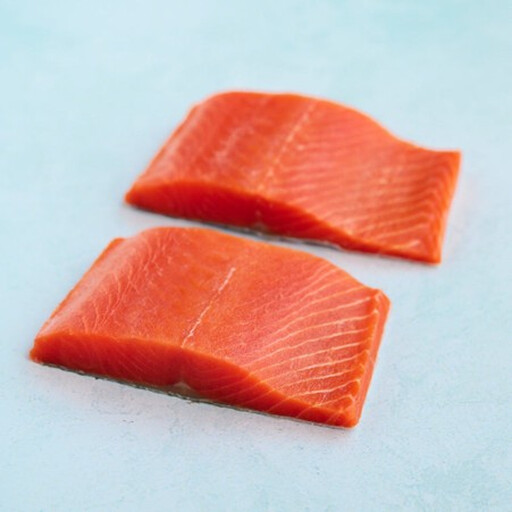
Choose this plain salmon format when you want to decide the accompaniments yourself. Check whether the 220g pack suits your guest count, and read its current thawing and allergen information before cooking or serving.
 No image available
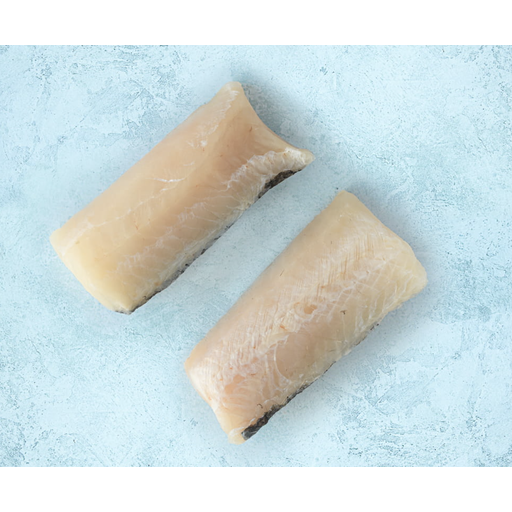
These plain hake steaks are an option for a fish course with your own sauce and sides. Use the stated 280g pack weight when planning quantities, and check the physical pack for cooking, defrosting and allergen directions.
 No image available
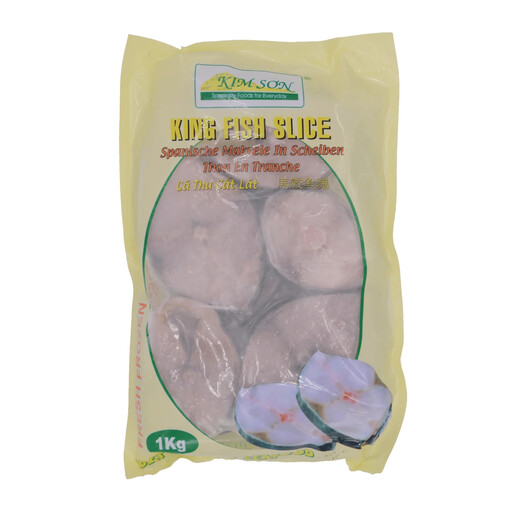
Fish slices offer another way to build a meal around your own preparation. Compare the 1kg pack with the number of diners; the product information cautions that small bones may be present, so follow the current pack’s handling and cooking directions.
 No image available
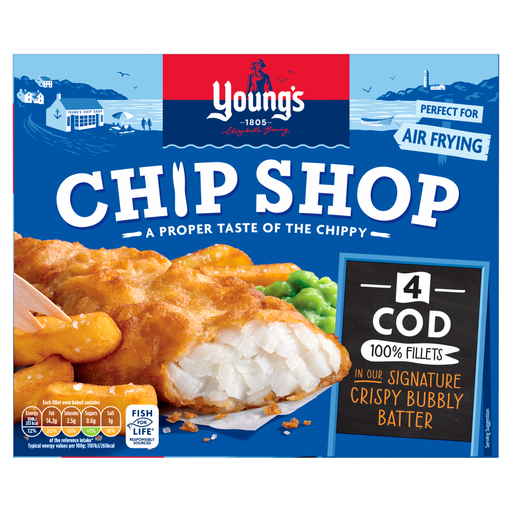
These coated cod portions fit a simpler meal between Christmas events rather than a plain fish main. The pack title states four fillets and 400g; check the current coating ingredients, allergen declaration and oven instructions before serving.
Choose plain fillets if you want to set the sauce, seasoning and sides yourself. Breaded or battered fish suits a simpler family meal, but check its coating ingredients: Birds Eye’s reviewed breaded cod product includes fish and wheat and may contain milk.
Yes, when the particular pack gives cook-from-frozen instructions. Selected Birds Eye and Young's products give that route; follow your chosen pack’s appliance settings and full cooking directions rather than using instructions from another fish product.
Follow its own pack directions and allow time and fridge space in your meal plan. Marks & Spencer’s British Hake Fillets page says to defrost that product in a refrigerator, use it within 24 hours and not refreeze it after thawing.
Read the current pack’s ingredient list, allergen declaration and any precautionary warnings for the exact product you intend to serve. Coatings and prepared dishes can introduce ingredients beyond fish, so do not rely on the fish species or an older listing alone.
Check the species, origin, traceability information and any ecolabel on the specific pack. Young's describes its approach to origin information and relevant ecolabelling, while Marks & Spencer describes its frozen-fillet range as responsibly sourced and traceable; neither statement means every individual product carries the same certification.