Shoppers keeping added fat down
Plain frozen white-fish portions give you control over the oil, butter, sauce or coating used for a Christmas meal. Compare the finished nutrition on the same basis before choosing between packs.


If keeping fat down is the main aim for a Christmas fish course, start by comparing plain frozen white-fish fillets; they leave the coating and added cooking fat in your control. Lightly dusted fish offers some coating, while breaded or battered fillets offer a ready-coated option. Check fat on a comparable preparation basis, then check ingredients, allergens and cooking instructions for the product you choose.
Plain frozen white-fish portions give you control over the oil, butter, sauce or coating used for a Christmas meal. Compare the finished nutrition on the same basis before choosing between packs.
Breaded, dusted or battered fillets provide a ready-coated course. Check the fat and salt per serving, the portion size and the cooking directions rather than treating every frozen fish product alike.
For a shared meal, inspect each product’s current ingredient and allergen label. Coatings may introduce cereals containing gluten or mustard in addition to the fish allergen.
Choose the finish you want for the meal, then compare labels and cooking requirements for products in that format.
| Priority | What to check | Your needs |
|---|---|---|
| Fat and finish | Compare fat per 100g on the same preparation basis. Check whether the fish is plain, lightly dusted, breaded or battered, and account for anything added during cooking. | I want to choose how much coating or added cooking fat goes into the Christmas fish course. |
| Serving size | Check the weight of a portion and its fat and salt values. A per-fillet figure cannot be compared directly with a per-100g figure. | Will one fillet make the serving I have planned, and what does that serving contribute? |
| Cooking | Read the directions for the exact product and appliance. Check whether its instructions cover cooking from frozen; do not transfer another fillet’s cooking time to it. | I need a fish course that fits the oven or air-fryer space available while the rest of the meal cooks. |
| Ingredients | Read the current ingredient and allergen statements, including any precautionary wording. Batter, flour and breadcrumbs can contain cereals with gluten, as the Food Standards Agency notes. | Before serving everyone, I need to know whether the chosen pack contains ingredients a guest must avoid. |
| Storage and bones | Follow the pack’s frozen-storage and defrosting directions. Check for bone warnings even when a product is described as boneless. | I need to fit the fish in the freezer and serve it with appropriate care, especially to children. |
The recipe matters as well as the fish. Sainsbury’s lists under 0.5g fat per 100g of its oven-cooked plain cod, while M&S lists 5.9g per 100g of its lightly dusted cod; the stated preparation bases must be checked before a direct comparison.
Start with the finish you want, then compare the current packs’ fat values on an equivalent basis.
A fillet and a 100g portion need not weigh the same, so their figures do not describe equivalent servings.
Use comparable per-100g values first, then check the actual serving size and its fat and salt values.
Coated fish can contain allergens beyond fish. ASDA Groceries lists fish, wheat and mustard for its cited Young’s breaded fillets.
Read the physical pack’s ingredient and allergen statements before buying and again before serving a shared meal.
Bone warnings on products described as boneless still matter when deciding how to serve them.
Check the pack’s warning, handle portions carefully and follow its storage, defrosting and cooking instructions.
These product examples show why the label and preparation basis matter; they are not a ranking of entire brands or ranges.
A reference for ready-coated frozen fish, including the cited breaded haddock fillets.
A reference for coated frozen fish, including the cited Chip Shop Omega 3 fillets.
The cited Tesco Groceries listing provides product-level information for Birds Eye breaded haddock.
A reference for plain frozen cod in this comparison of fish formats.
The cited ASDA cod loins provide another plain-fish example.
The cited hake and lightly dusted cod illustrate two different frozen-fish formats.
These fillets offer options for a fish course you prepare and season yourself. The selection does not cover the ready-coated route; check each pack’s ingredients, nutrition and cooking directions before deciding.
 No image available
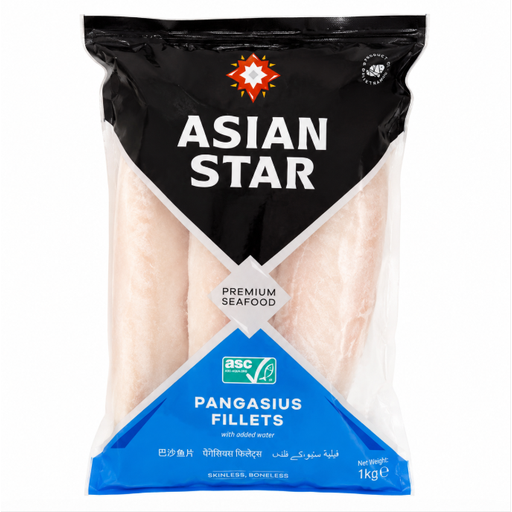
For a fish course you season yourself, check this pangasius fillet’s current ingredient list and fat values per 100g and per serving. The named pack is 1kg with 800g net; check how the pack defines those weights when planning portions.
 No image available
The named skinless, boneless pangasius fillets are an option when you want to prepare the fish without a ready-made coating. The title specifies 170–200g fillets and an 800g net weight; check the current pack’s nutrition basis, ingredients and bone warning before serving.
 No image available
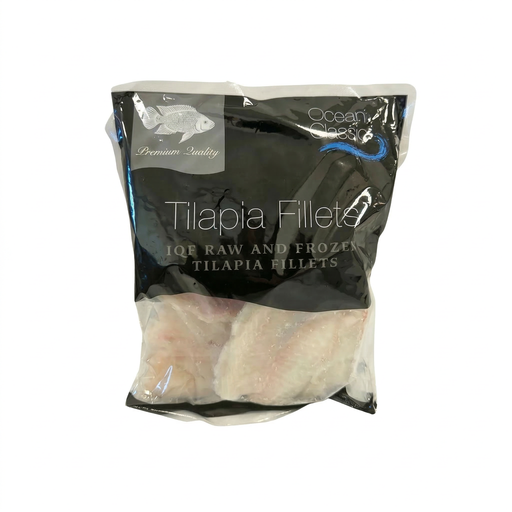
These tilapia fillets offer another fish choice for a meal you season yourself. The named pack is 1kg with 800g net; compare its current fat and serving figures on the same preparation basis as any alternative, and follow its own cooking instructions.
Plain white fish is a useful starting point when you want control over coating and added cooking fat. For specific examples, Sainsbury’s lists under 0.5g fat per 100g of its oven-cooked cod, M&S Food lists 1.2g per 100g for its hake, and ASDA Groceries lists 0.8g per 100g for cod loins prepared as directed. Check preparation bases and anything you add during cooking before comparing finished meals.
Yes, if a ready-coated course suits the meal, but do not assume its fat figure matches plain fish. Tesco Groceries lists 7.3g fat per oven-baked fillet for the cited Birds Eye breaded haddock, while Sainsbury’s lists 11.3g per oven-baked fillet for the cited Young’s coated fish. Compare equivalent serving sizes and check salt as well as fat.
Follow the storage, defrosting and cooking directions on the exact pack rather than using another product’s timing. Check its bone warning too: a boneless description does not remove the need for care when serving.
Check the exact product before serving it. The Food Standards Agency notes that batter and breadcrumbs can contain cereals with gluten, and ASDA Groceries lists wheat in the cited Young’s breaded fillets. Read the current physical pack’s full ingredient and allergen statements; fish itself is also an allergen.