Shoppers checking fish sourcing
If sustainability matters to your comfort-food dinner, you need more than a familiar species name. The Marine Conservation Society advises checking what the fish is, where it came from and how it was caught or farmed.


For a home-cooked fish supper, choose a plain fillet if you want to decide how to season and serve it; choose a breaded or battered fillet if a ready-made coating suits the meal. In either case, look for a named fish and clear sourcing information rather than relying on “cod” or “white fish” alone. Check certification alongside the species and source, then read the current pack for ingredients, allergens and cooking directions.
If sustainability matters to your comfort-food dinner, you need more than a familiar species name. The Marine Conservation Society advises checking what the fish is, where it came from and how it was caught or farmed.
If the meal needs to fit around an oven or another available appliance, compare the exact products’ cooking directions before choosing between plain and coated fillets.
Plain fish and coated fish are different ingredient choices. Breaded or battered products can introduce ingredients beyond the fish, so check the current pack when cooking for someone with an allergy or dietary requirement.
Start with the fish and its source, then choose a format that fits the dinner and check the directions on the pack.
| Priority | What to check | Your needs |
|---|---|---|
| Sourcing | Look for a named species, source information and the meaning of any certification. The Marine Stewardship Council says its blue label identifies wild-caught fish from independently assessed fishing practices. | I want to know what is behind a sustainability claim, rather than treating the name of the fish as proof. |
| Fish choice | Check where the fish was caught or farmed and how. In its April 2026 update, the Marine Conservation Society reported no recommended choices for UK-caught cod; that finding does not describe every cod source. | If I choose cod or another white fish, I want enough source detail to check that particular choice. |
| Dinner format | Decide whether you want a plain fillet to prepare yourself or a ready-coated product. Check the portion count and fish content when comparing coated packs. | For a homemade supper, I would rather add my own seasoning and sides. For a fish-and-chips-style dinner, a ready-made coating may be more convenient. |
| Ingredients | Read the current ingredients and allergen declaration, especially for breaded or battered fish. Compare salt figures only on the stated per-serving and preparation bases. | I need the fish to fit the household’s ingredient requirements, not just the meal I have in mind. |
| Preparation | Check whether the exact product needs defrosting, which appliances its directions cover and how it must be stored and cooked. | On a busy evening, I need a cooking route that works with the time and equipment available. |
The Marine Conservation Society assesses seafood by species, source and production method, so a generic fish name cannot settle the sustainability question.
Check the named fish and source on the current pack, then use those details to consult the Good Fish Guide.
Breading or batter changes the ingredients and the proportion of fish in a portion. It can also introduce allergens that matter to the people sharing dinner.
Read the ingredient and allergen statements and compare nutrition information on like-for-like serving and cooking bases.
A coated pack includes its batter or breadcrumbs, while a plain frozen fillet may have a protective ice glaze. Pack weight alone does not tell you how much fish each portion contains.
Check the fish percentage where stated, portion count and net-weight wording before comparing dinner portions.
Ingredients and preparation directions can change, which matters particularly when a meal must meet an allergen requirement.
Use the current pack for ingredients, storage and cooking instructions before serving.
These examples describe particular products or a stated sourcing policy, not every frozen fish item sold under each name.
Tesco Groceries lists Birds Eye 4 Breaded Cod Fish Fillets 400g with an MSC-certified seafood statement, making it a product-level example of coated fish with a stated sourcing credential.
Young's Seafood says its sourcing approach includes traceability and relevant eco-labelling for fish from independently certified fisheries.
Tesco Groceries listings provide examples of plain cod fillets and breaded or battered Alaska pollock, illustrating different fish and coating choices within its own-label products.
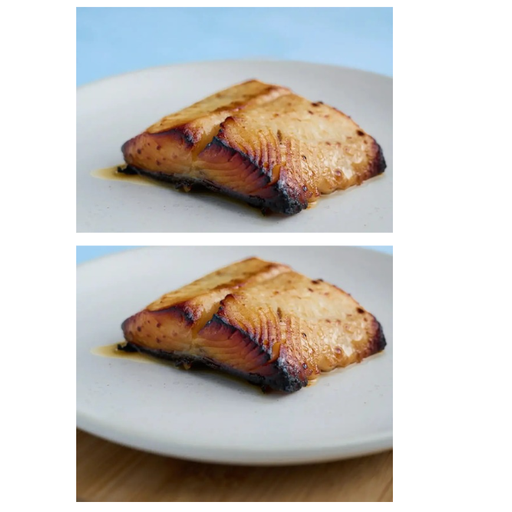
This marinated, single-steak option suits a cooked fish dinner rather than a breaded fish-and-chips-style meal. Check its current pack for sourcing and preparation details before deciding whether it fits your plans.
 No image available
This miso-marinated steak is an option for a home-cooked fish dinner. The listing describes one 140g steak that needs defrosting before cooking; one steak does not establish portions for a household meal. Check the current pack for cooking directions, soya and other allergen information, and details behind its MSC sourcing claim.
For wild-caught seafood, the Marine Stewardship Council says the blue label identifies fish from fishing practices independently assessed against its standard. Still check the exact product’s fish, ingredients and format to decide whether it suits your dinner.
No. The Marine Conservation Society assesses what the fish is, where it came from and how it was caught or farmed. Its April 2026 update reported no recommended choices for UK-caught cod, so check the source of the particular cod product rather than judging by species alone.
Choose plain fillets if you want to prepare the seasoning and sides yourself; choose breaded fish if a ready-made coating fits the meal. Coated products have additional ingredients, so check their fish content, allergen statement and cooking directions on the current pack.
No single preparation route applies to every product. Follow the current pack’s storage and cooking instructions: a coated fillet and a steak that requires defrosting may need different handling.
No. The Marine Management Organisation says traceability helps evidence that fish were legally caught and fully reported. An MSC label refers to an independently assessed wild-caught fishery; for a more specific choice, also check the fish and source identified on the pack.