Home cooks planning a fish-centred dinner
A plain fillet or loin leaves the seasoning and sides to you. Compare the named species, cut and any skinless or boneless description before choosing.


Choose a plain fillet or loin when you want the fish to lead the meal and prefer to decide how to season it. A coated portion offers a prepared flavour, while an en croûte or shellfish dish suits a meal built around presentation or added ingredients. Whichever format appeals, check the species, ingredients, allergens, portions and cooking directions on the exact pack rather than relying on its premium-range name.
A plain fillet or loin leaves the seasoning and sides to you. Compare the named species, cut and any skinless or boneless description before choosing.
Coated fish and composed seafood dishes provide more of the finished meal. Check the ingredients, portions, cooked nutrition where shown and pack cooking directions to see whether the format fits your plans.
Look for the species, origin information and any certification claim on the individual product. A brand-wide sourcing statement does not describe every detail of a particular pack.
Choose when: You want to build a fish-centred dinner with your own seasoning and sides.
Allow for: You will need to prepare the rest of the meal yourself.
Choose when: Batter or breadcrumbs are part of the flavour and preparation you want.
Allow for: The coating adds ingredients, so a coated portion is not interchangeable with a plain fillet.
Choose when: A prepared centrepiece or shellfish starter fits the meal you are planning.
Allow for: Pastry, sauces and mixed seafood can make ingredients and allergens more complex.
Once you know the meal format, compare the exact packs on the points that affect how you will cook and serve them.
| Priority | What to check | Your needs |
|---|---|---|
| Species and format | Read the named species and cut. Check whether it is plain, coated or part of a dish, and whether skin or bones are mentioned. | I want to know how much of the meal I will prepare myself, rather than choosing by the premium-range name. |
| Nutrition | Compare the cooked per-serving panel for coated or sauced products. The NHS identifies salmon as oily fish and cod and haddock as white fish. | If I am choosing an oily fish or comparing prepared portions, the species and the exact pack’s nutrition matter more than the word “fish” on the front. |
| Sourcing | Look for species and origin information, then check whether a stated MSC or ASC certification applies to the exact product. | I would like to understand the sourcing claim for the fish I am buying, not assume that a brand policy describes every pack. |
| Ingredients and cooking | Read the full ingredients and allergen declaration, particularly for coatings, sauces and shellfish. Follow the product’s own storage and cooking directions. | Someone at my table may need to avoid an ingredient, or I may need a product that fits the time and equipment available for this meal. |
Premium ranges include loins, battered portions and dishes with pastry or sauce. The range name alone cannot tell you the fish proportion or how much preparation remains.
Decide whether you want a plain fish main or a prepared dish, then read the species, ingredients and serving information.
A composed dish can contain several allergen categories. ASDA’s King Prawn & Scallop Gratin Shells, for example, list crustaceans, molluscs, fish, milk, wheat and sulphites.
Check the allergen declaration and ingredients on the exact pack, including when buying a familiar product again.
A plain loin, two battered fillets and a shared centrepiece serve different roles. Their pack weights do not describe equivalent amounts of plain fish.
Check the serving count, fish content where stated and whether the weight includes batter, pastry, sauce or shells before comparing similar formats.
A plain fillet and a prepared gratin have different cooking directions; ASDA instructs shoppers to oven-cook its gratin from frozen at 200°C for 33–35 minutes.
Keep the individual pack directions available and follow its storage, defrosting and cooking instructions.
These ranges illustrate different frozen-fish formats; check the individual product rather than treating a range name as a specification.
Its frozen range spans fish cuts and prepared dishes, including M&S Collection Scottish Salmon En Croûte.
The Tesco Finest frozen listing includes cod loins alongside prepared fish and seafood options.
Taste the Difference includes prepared frozen-fish formats such as beer-battered cod.
Extra Special includes composed seafood dishes such as King Prawn & Scallop Gratin Shells.
Young’s offers frozen convenience formats, including Gastro scampi and tempura-battered fish listed by UK retailers.
Birds Eye’s frozen-fish range includes cod and haddock fish fingers.
These options cover fish for a meal you prepare yourself, a marinated fish steak and an occasion-led shellfish choice. Compare their formats and pack details against the dinner you have in mind.
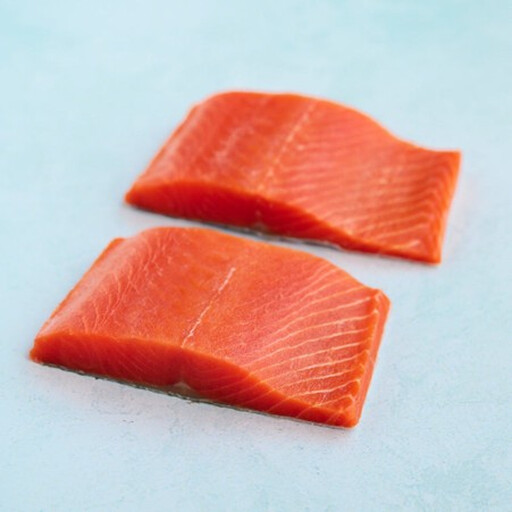 Image unavailable
Two skin-on salmon steaks for a fish-centred meal with your own seasoning and sides. The listing suggests grilling, baking or pan-searing and says some bones may remain. Check the exact pack if crustaceans or molluscs are a concern, or if its sourcing claim matters to you.
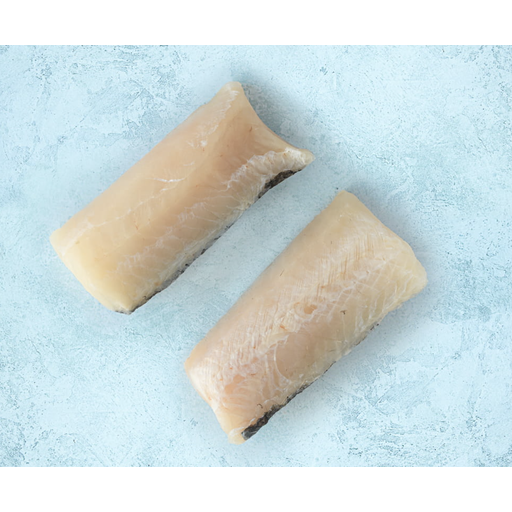 Image unavailable
Two hake loin steaks suit a meal where you choose the seasoning and accompaniments. The listing suggests grilling, baking or pan-searing. Check the exact pack for skin and bone details if either affects how you plan to serve them.
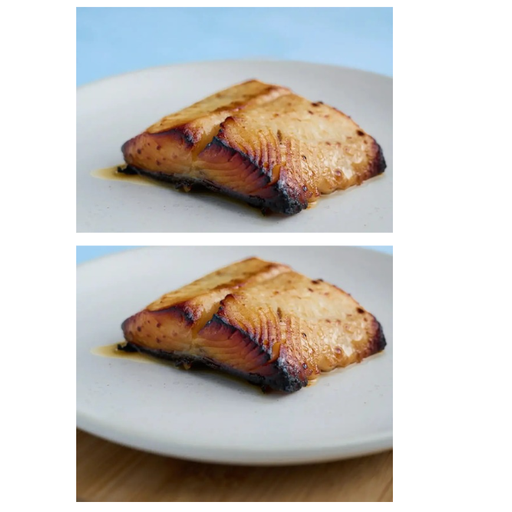 Image unavailable
A single marinated steak for a fish main with a prepared miso flavour rather than a plain fillet. The listed ingredients include miso, mirin and sake; consult the exact pack for allergens, cooking directions and any sourcing certification you wish to assess.
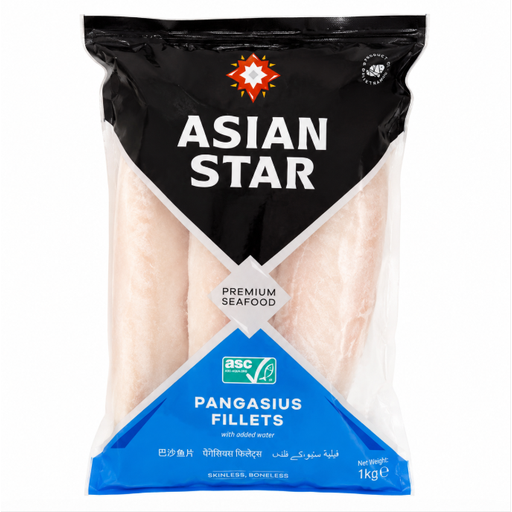 Image unavailable
Plain pangasius fillets provide a base for a meal you season yourself. The listing describes them as skinless and boneless and states a 1kg pack with 800g net fish and a 20% ice glaze. Its ingredients also include added water, salt and stabilisers, so read the full declaration when comparing packs.
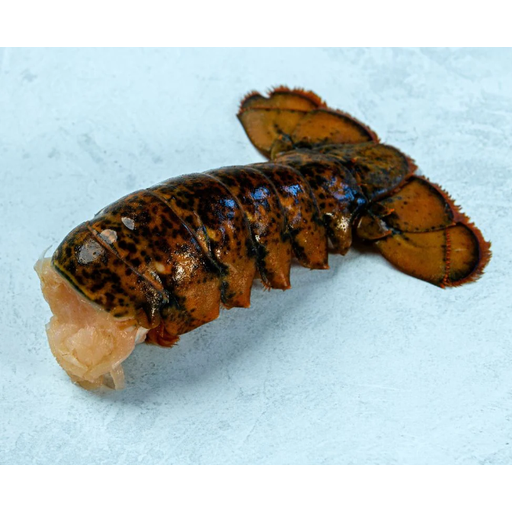 Image unavailable
This cooked shellfish option is for a seafood meal rather than a finfish main. The listing describes chilled serving or brief reheating after thawing; follow its handling directions, including removal of the intestinal vein and grit sac. It contains crustaceans, and the pack should be checked for tail count and servings when planning for a group.
Choose a plain fillet or loin if you want to decide the seasoning and sides yourself. Check the species, cut and skin or bone description on the exact pack; Tesco Finest lists skinless and boneless cod loins, while M&S lists several frozen fish cuts.
Compare ingredients and the cooked per-serving nutrition, because batter or breadcrumbs change what is in the portion. Sainsbury’s lists 17.9g fat and 1.06g salt per oven-cooked fillet for its Taste the Difference beer-battered cod; those figures describe that product, not every coated fish portion.
Read the allergen declaration and full ingredients on the exact pack before serving. UK government allergen guidance covers categories including fish, crustaceans, molluscs, milk, cereals containing gluten and sulphites under its stated conditions; a mixed seafood dish can contain several of them.
No. Check which sourcing claim applies to the exact fish product, then assess its species, other ingredients and preparation separately. Birds Eye and Young’s publish sourcing policies, but a policy alone does not establish every detail of an individual pack.
No. Follow the storage, defrosting and cooking instructions for the product you have bought rather than transferring directions between a fillet, coated portion and prepared dish. For example, ASDA instructs shoppers to oven-cook its King Prawn & Scallop Gratin Shells from frozen at 200°C for 33–35 minutes.