Couples planning a fish-centred dinner
A plain frozen fillet lets you decide how much oil, butter or sauce to add while preparing a dinner for two. Check the pack size and cooking directions against your plans.


Start with an uncoated frozen white-fish fillet if keeping added fat low is the priority, then compare the exact products’ fat values on the same per-100g and preparation basis. NHS guidance describes white fish as low in fat and notes that frying, particularly in batter, can increase fat content; the oil, sauce and sides you add also matter to the finished dinner.
A plain frozen fillet lets you decide how much oil, butter or sauce to add while preparing a dinner for two. Check the pack size and cooking directions against your plans.
Compare fat per 100g on the exact products, noting whether each value describes the fish as sold or after cooking. A fish species alone does not tell you the fat content of a coated or sauced product.
If presentation matters, look at the cut, portion size and preparation required alongside the nutrition panel. YouGov’s research on British grocery shoppers identifies value, quality and taste as reasons for buying frozen food generally, rather than measures of date-night fish choices.
Choose the fish format first, then compare labels and cooking instructions for the products you might serve.
| Priority | What to check | Your needs |
|---|---|---|
| Added fat | Compare fat per 100g on the same preparation basis. Check for coating and how much oil or sauce your recipe adds; NHS guidance notes that frying, especially in batter, can increase fat content. | I want control over the fat added to the main course, without giving up a sauce or garnish I have chosen myself. |
| Dinner presentation | Look at the cut, number and size of portions, and whether the product is plain, coated or sauced. Check how it needs to be cooked before choosing a recipe. | For a meal for two, the fillets need to suit the dish I plan to serve, not just look appealing on the packet. |
| Preparation | Read the exact pack for cook-from-frozen or defrosting directions, cooking method and storage instructions. Check raw-fish and bone warnings. | I need to know whether the fish fits the time available and how to handle any portions I do not cook. |
| Ingredients | Read the ingredients and allergen information for the exact fish, coating and sauce. GOV.UK says regulated allergens in prepacked food must be clearly labelled within the ingredients list. | If I am serving a guest, I need to check the whole product rather than assume a plain-looking fillet contains only fish. |
Batter, frying oil, butter and creamy sauces can change the fat content of the finished dish. NHS guidance specifically notes the effect of frying, particularly in batter.
If lower fat is your priority, consider a plain fillet and a pack-approved cooking method, then account for what you add when serving it.
A value for oven-cooked fish is not directly comparable with one given for fish as sold without checking the basis. Sainsbury’s, for example, labels its cod and basa values per 100g after the stated cooking method.
Compare per-100g values with their preparation descriptions alongside them, and use the current pack when planning the meal.
A frozen or boneless description does not remove the need to follow cooking directions or check for bones. Sainsbury’s cod listing warns that some bones may remain despite care taken to remove them.
Read the exact pack before preparing the fish, cook it according to its directions and take account of any bone warning when serving.
A special-occasion description does not establish that a fillet meets your fat preference or provides the portions you need.
Check the nutrition basis, cut and usable portions first; choose the presentation you want within those conditions.
Its frozen-fish range includes plain fillets as well as prepared products, so compare individual labels rather than relying on the category.
Its British hake and Norwegian halibut fillets offer plain-fish cuts to consider when presentation is important.
Its range includes natural white-fish fillets alongside breaded and battered options.
Its frozen-fish range includes coated products such as battered cod fillets.
Its frozen-fish category brings together plain fillets and prepared formats for product-by-product comparison.
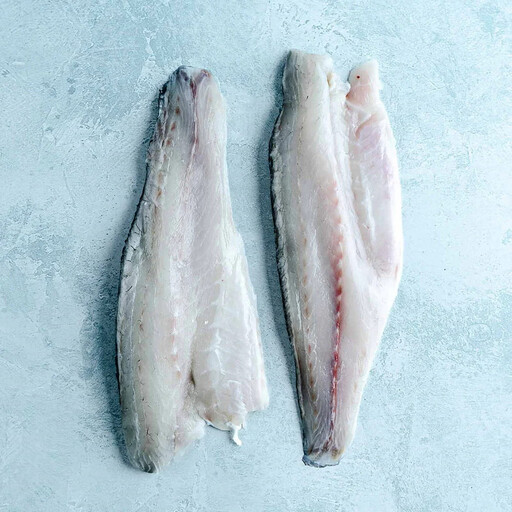
These plain sea bass, pangasius and hake products offer different cuts and pack sizes for a fish-centred dinner. Compare their exact nutrition labels on a consistent basis before choosing specifically for lower fat.
 No image available
The two-fillet pack gives you portions to plan around for dinner. Check the pack’s fat-value basis and cooking and storage instructions before comparing it with other fish.
 No image available
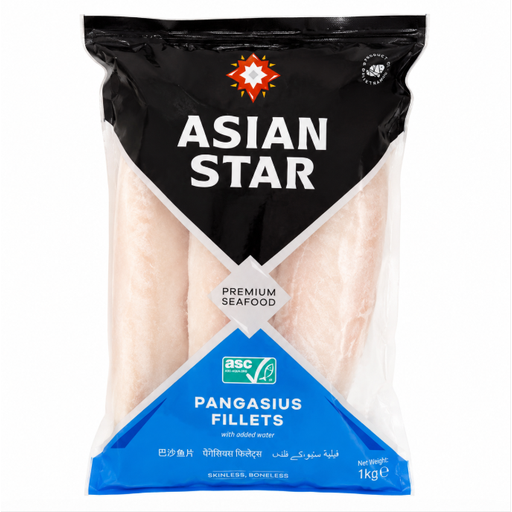
This larger pack may suit a dinner with portions left to plan for another meal. Check the pack’s nutrition basis, cooking directions and storage instructions before deciding how much to prepare.
 No image available
The skinless, boneless fillets provide a plain fish option for a recipe you season yourself. Joybuy lists 2.5g fat per 100g for this product; check the pack’s preparation basis before comparing that figure with cooked-product values. Its stated net fish weight is 800g, with ice included in the 1kg total.
 No image available
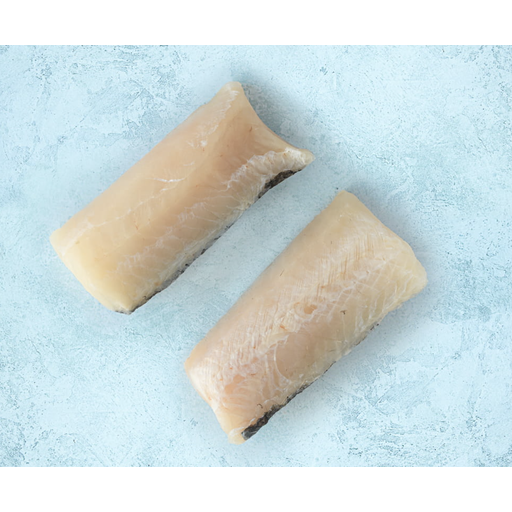
Hake loin steaks offer a different plain-fish cut for the dinner. Check the product-specific fat value and the pack’s cooking and storage instructions before settling on a recipe.
Yes, if keeping fat low is the main aim: NHS guidance describes white fish as low in fat. Check the exact product and remember that batter, frying oil and additions such as butter sauce affect the finished dish.
Yes, if you want the coating and its exact nutrition information fits your plans, but do not assume it matches a plain fillet for fat content. NHS guidance notes that frying, especially in batter, can increase fat content; compare the pack’s per-100g and per-serving values.
Follow the directions for the exact product. Sainsbury’s provides oven-from-frozen directions for its cod and basa fillets, but their methods and timings should not be transferred to another fish.
Read the exact pack’s ingredients and allergen information, including any coating or sauce. GOV.UK says regulated allergens used as ingredients in prepacked food must be clearly labelled within the ingredients list; ask the manufacturer or retailer about a particular product if you need clarification.
Oily fish is a different choice if omega-3 is the priority rather than minimising fat in this meal. NHS guidance distinguishes oily fish from low-fat white fish and advises including an oily-fish portion as part of weekly fish intake.