Couples planning a cooked dinner for two
Plain or lightly coated fillets leave room for your own sauce and sides. Breaded or battered portions make the coating a more prominent part of the meal.


For a dinner for two built around your own sauce and sides, start with plain salmon or white-fish fillets and check that the pack contains two suitable portions. Choose lightly coated, breaded, battered or ready-flavoured fish when you want the product to supply more of the dish’s texture or seasoning. Frozen fish is not fresh fish: let the actual ingredients, portion format and cooking instructions guide the choice.
The useful distinction for a dinner for two is how much of the dish you want to prepare yourself.
Plain or lightly coated fillets leave room for your own sauce and sides. Breaded or battered portions make the coating a more prominent part of the meal.
Look for instructions that explicitly allow cooking from frozen, then use the stated method and allow for its cooking time. Tesco gives oven-from-frozen instructions for its haddock fillets; Young’s says its Natural Fish Fillets can be cooked straight from frozen.
Fish products with breadcrumbs, batter or sauces can have different ingredients from plain fillets. Check the current pack’s ingredient list and allergen declaration for the exact product.
Decide on the fish format first, then check portions, ingredients and cooking directions for the pack you intend to serve.
| Priority | What to check | Your needs |
|---|---|---|
| Fish format | Check the species and whether the fillet is plain, lightly dusted, breaded, battered or marinated. A coating or marinade becomes part of the finished dish. | I’d like to choose my own sauce and seasoning, so a plain fillet makes more sense than a ready-flavoured portion. |
| Cooking method | Read the exact pack’s directions for cooking from frozen or after defrosting, including its method, temperature and time. Do not assume oven instructions also apply to pan-frying. | If I’m cooking after work, I need to know whether this fish fits the time and equipment available that evening. |
| Ingredients and allergens | Check the current ingredient list, emphasised allergens and precautionary allergen information. Recipes can differ between plain, coated and sauced products. | Someone joining me needs ingredient information for the exact pack, not an assumption based on another fish product. |
| Portions for two | Compare the number of fillets, their format and the pack weight together. Four coated portions are not the same dinner format as two plain fillets. | Two similar plated portions matter more to my plan than pack weight on its own. |
Seasoned flour, breadcrumbs, batter and marinades change what you are cooking and how much control you have over the finished plate.
Choose an uncoated fillet if your own sauce is central to the meal. Choose a coated product because you want that coating, not as a substitute for a plain fillet.
Instructions differ by product. Sainsbury’s gives frozen and chilled oven options for its salmon fillets, while Tesco specifies oven cooking from frozen for its haddock fillets.
Check the method before buying. If you defrost fish, follow the pack’s directions and use refrigerated defrosting; the Food Standards Agency advises using defrosted food promptly, within one day.
Portion count and preparation format affect what reaches each plate. A four-piece coated pack calls for a different plan from two plain fillets.
Check how many full fillets or steaks the pack contains, alongside its weight and fish species.
Coatings and flavourings add ingredients beyond fish, and recipes can vary between products.
For an allergy or intolerance, read the physical pack’s current ingredients, emphasised allergens and precautionary allergen information each time.
These examples show the range of fish formats to compare; a brand name alone does not establish the ingredients or cooking method of a particular pack.
M&S lists Wild Icelandic Cod Fillets and Lightly Dusted Cod as different frozen-fish options.
Tesco’s frozen-fish categories include white fish, salmon and fish in sauce.
Sainsbury’s lists frozen fish fillets, including salmon.
Young’s describes a range spanning Natural Fish Fillets and prepared fish formats.
Birds Eye identifies breaded and battered cod products in its frozen-fish range.
Asda lists a product named Extra Special Icelandic Cod Loins.
These options span fish you can season yourself and more prepared formats. Check each pack against your plan for two: some are sold as two portions, while others contain one steak or four fillets.
 No image available
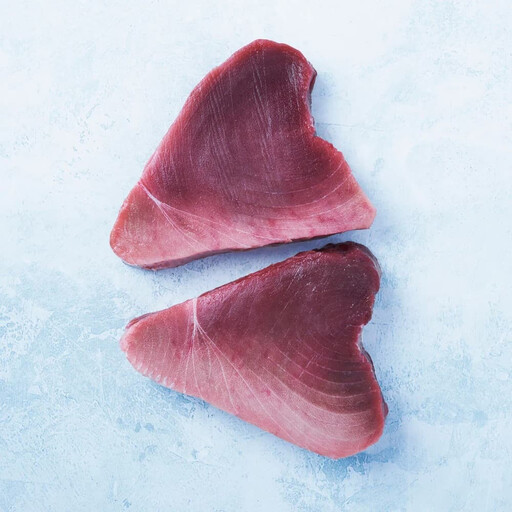
Two tuna steaks offer a portion each for a cooked dinner for two. Check the pack’s cooking and defrosting directions; the product name’s raw-eating claim should not be treated as assurance that the fish is suitable to eat raw.
 No image available
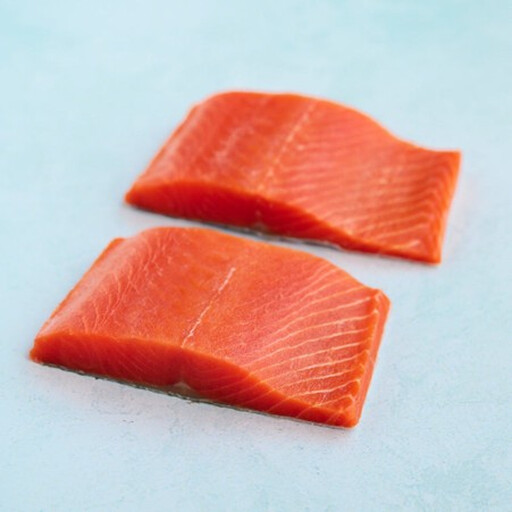
These salmon fillet steaks suit a meal where you want to choose the seasoning and accompaniments. Check the pack’s portion count and cooking directions before setting a serving time; if defrosting, follow its refrigerated-thaw instructions.
 No image available
Skinless, boneless pangasius fillets provide a white-fish option for your own seasoning or sauce. The name states 800g net within a 1kg total weight; check the portion count and pack instructions when planning dinner for two.
 No image available
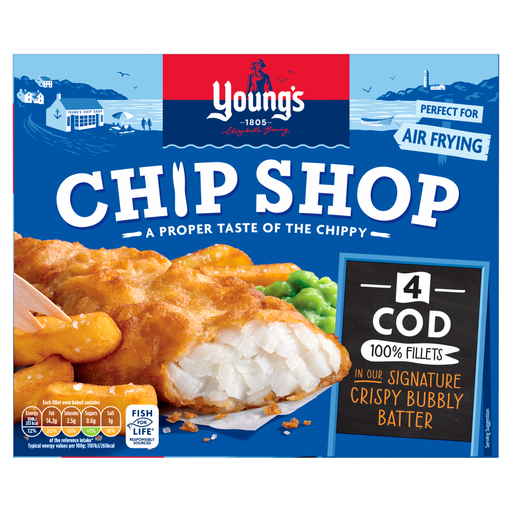
This four-fillet pack is a prepared fish-supper option rather than a plain fillet for your own sauce. Check whether four portions suit your dinner, and read the current coating ingredients, allergen declaration and cooking directions.
 No image available
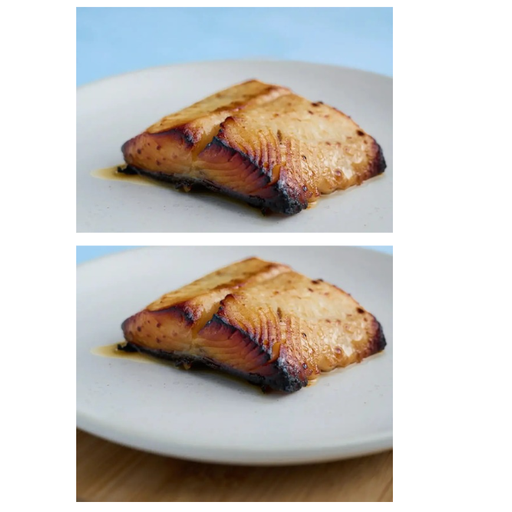
The miso flavouring makes this a different choice from fish you plan to season entirely yourself. One 140g steak does not provide a steak for each diner; check the current ingredients and cooking directions before building a dinner for two around it.
Yes, when the exact product’s instructions permit it. Tesco specifies oven cooking from frozen for its Haddock Fillets 360g, and Sainsbury’s gives a frozen oven option for its Salmon Fillets 360g. Use the method and cooking time on the pack you buy.
Follow the product’s defrosting instructions and use the refrigerator rather than leaving fish at room temperature. Keep it separate from other food while it defrosts; the Food Standards Agency advises using defrosted food promptly, within one day.
Not without changing the dish: breading or batter supplies its own texture and ingredients. Start with a plain fillet if you want to build the plate around your sauce and seasoning; choose a coated product if its coating is part of what you want to serve.
Read the current ingredients, emphasised allergens and precautionary allergen information on the exact pack. Fish is itself an allergen, and coated or flavoured products can contain additional ingredients; a similar-looking product or an older pack may have a different recipe.