Couples making their own sauce and sides
Plain cod or hake leaves the seasoning and presentation largely up to you. Check whether the chosen fillets are raw, how they must be defrosted and whether the pack warns of possible bones.


Choose a plain frozen fillet if your own sauce and sides will define dinner; choose a coated fillet if you want a ready-made crisp finish, or a seasoned one if its existing flavour suits the menu. Salmon is another option when you specifically want oily fish. Whichever you choose, check the exact pack for portion count, allergens and whether it needs defrosting before cooking.
Plain cod or hake leaves the seasoning and presentation largely up to you. Check whether the chosen fillets are raw, how they must be defrosted and whether the pack warns of possible bones.
Lightly dusted, breaded or battered fish provides a coating without making one from scratch. Choose by the finish you want, then read the cooking directions and allergen declaration for that particular pack.
Salmon offers an oily-fish alternative to the plain white-fish and coated-fillet routes. If it suits the planned meal, check the portion count and the pack’s preparation method rather than assuming all frozen salmon cooks alike.
Start with the flavour and finish you want on the plate, then check whether the pack fits your timing and the number of diners.
| Priority | What to check | Your needs |
|---|---|---|
| Flavour and finish | Compare plain fillets with seasoned, lightly dusted, breaded or battered options. Check which flavours and ingredients are already part of the fish. | I’m making the sauce myself, so a plain fillet leaves room to shape the dish. If I’d rather serve a crisp coating, I can choose one that fits the rest of the meal. |
| Preparation time | Read the exact defrosting and cooking directions, including the appliance specified. Birds Eye gives cook-from-frozen oven directions for its breaded haddock; M&S directs shoppers to defrost its British hake in the fridge. | A straight-from-freezer option suits an evening with little preparation time. If the fish needs defrosting, I need to plan for that before dinner. |
| Pack size | Compare the stated weight and number of steaks or fillets with the diners and sides planned. Check the storage instructions before thawing more than you intend to use. | For dinner for two, I want enough fish for both plates without assuming that one pack always contains two portions. |
| Ingredients and allergens | Read the current pack’s ingredient and allergen declaration. A coating or marinade adds ingredients beyond fish; also check any warnings about possible bones. | If either diner needs to avoid an ingredient, the exact product declaration matters more than whether its front label says plain, dusted or breaded. |
| Fish type and sourcing | Identify the species and, when sourcing matters to you, its origin and catch or farming method. The Marine Conservation Society uses all three in its Good Fish Guide assessments. | I may want salmon rather than white fish, or enough sourcing detail to check a particular product instead of relying on a general seafood claim. |
Instructions differ by product: Birds Eye’s breaded haddock has cook-from-frozen directions, while M&S British Hake Fillets call for fridge defrosting.
Decide how much preparation time you have before shopping, and follow the directions on the fish you actually buy.
A coating changes both the flavour you can add yourself and the ingredients a diner needs to check. Research on M&S lightly dusted cod and Birds Eye breaded haddock identifies wheat-based ingredients; the haddock also lists mustard.
For a sauce-led plate, consider an uncoated fillet. For a coated option, check its current allergen declaration before settling on the menu.
Product warnings for the M&S plain fillets include possible bones and directions not to refreeze after thawing.
Allow for the stated preparation method, cook according to the pack and make diners aware of any bone warning.
The Marine Conservation Society assesses seafood using the species, where it was caught or farmed, and how it was produced. A species name by itself does not provide the full picture.
Use the pack details to check a current seafood guide if sourcing is important to your choice.
These ranges illustrate different frozen-fish formats; a brand reference does not mean every product in its range has the same ingredients or cooking directions.
Its frozen-fish range includes plain fillets and lightly dusted options, with product pages for British hake, Icelandic cod and lightly dusted cod.
Its frozen-fish range includes breaded haddock and battered fillets for dinners built around a ready-made coating.
Young's lists natural fish alongside breaded, battered and other prepared fish formats.
These options span plain fish for your own sauce, salmon, a miso-marinated steak and battered cod. Their pack sizes and preparation requirements matter differently for dinner for two.
 No image available
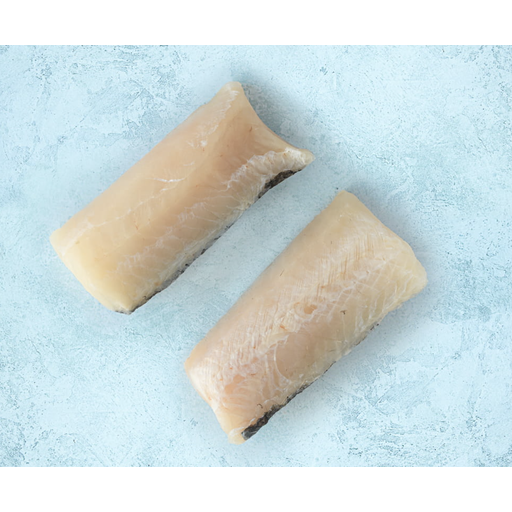
Plain hake is an option when your own sauce and sides will define the meal. The pack is 280g; check its steak count, defrosting directions and cooking instructions when planning dinner for two.
Check the current pack for possible crustacean or mollusc traces if these matter to a diner.
 No image available
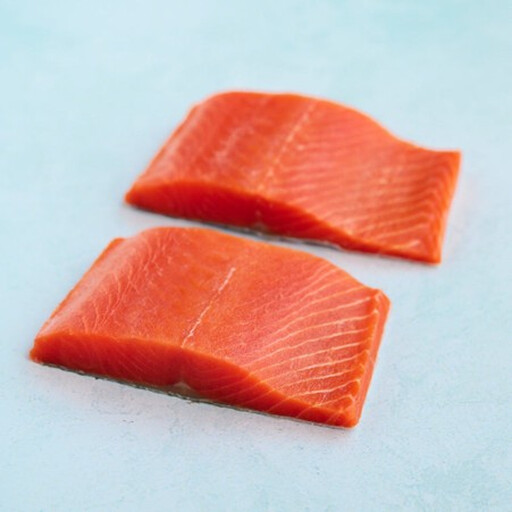
Choose this salmon route if oily fish suits the planned dish rather than a mild white-fish base. The pack is 220g; check how many steaks it contains and follow its cooking directions.
Check the current pack for possible crustacean or mollusc traces if relevant.
 No image available
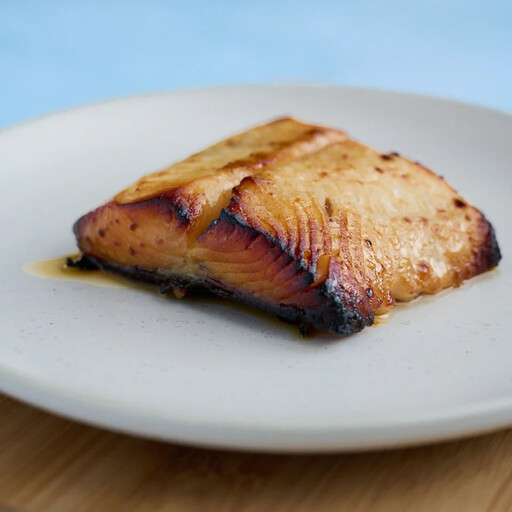
This pre-seasoned option fits a menu where miso flavour is wanted without making the seasoning yourself. The pack lists one 140g steak, so check the quantity needed for two diners.
Plan for defrosting before cooking, and check the current pack’s soy and other allergen information.
 No image available
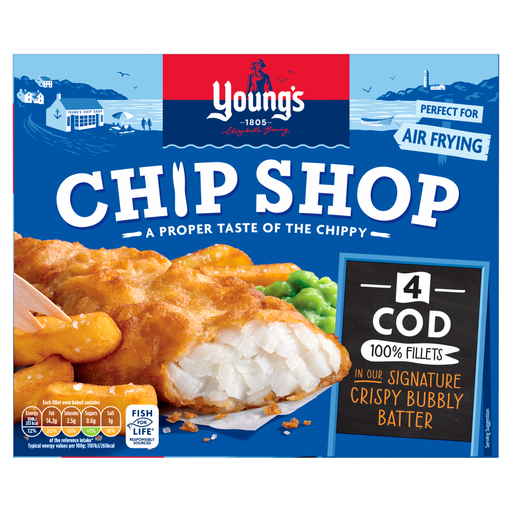
These battered cod fillets suit a dinner built around a ready-made coating. The pack lists four fillets and 400g, so consider what you will use for two diners.
Follow the pack’s directions for your chosen appliance and check its wheat and mustard declarations if relevant.
 No image available
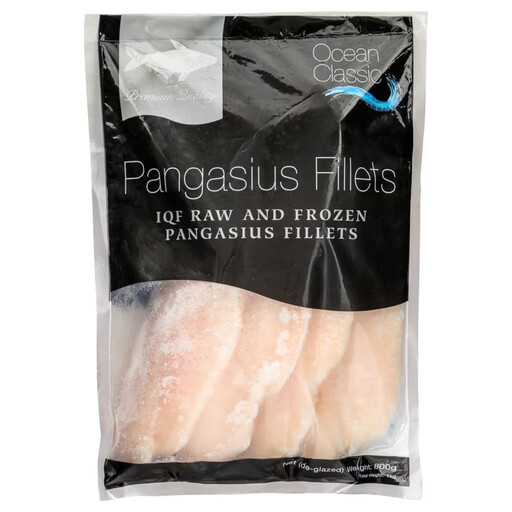
Plain pangasius is another starting point for your own seasoning and sides. This pack states 1kg total weight and 800g net, so check whether its quantity fits your dinner and freezer space.
Plan around the pack’s fridge-thawing and cooking directions before serving.
Choose a plain white-fish fillet if you want your sauce and sides to set the flavour; choose salmon if you want an oily-fish option. Neither choice determines the cooking method, so check the directions and portions on the exact pack.
Only when that product’s instructions permit it. Birds Eye’s breaded haddock has cook-from-frozen directions, whereas M&S British Hake Fillets require fridge defrosting and use within 24 hours. Follow the pack you buy rather than a general method for frozen fish.
Read the current ingredient and allergen declaration for the exact fish product. The researched M&S lightly dusted cod includes wheat-based ingredients, while Birds Eye breaded haddock lists wheat and mustard. Plain fish still contains fish and is not suitable for someone with a fish allergy.
Follow the instruction on the particular pack. The researched M&S and Birds Eye product pages say not to refreeze their fish after thawing or defrosting, so plan how much you will thaw for the meal.
Look for the species, where the fish was caught or farmed, and the catch or farming method. The Marine Conservation Society uses these factors in its Good Fish Guide assessments; a species name or broad sourcing statement alone does not settle a particular product’s rating.