Hosts plating individual mains
Plain frozen fillets or loins leave you to choose the seasoning, sauce and sides. Check the number of pieces and stated servings before planning a plate for each guest.


Choose plain frozen fillets or loins if you want to season and plate each guest’s fish with your own sides; choose a larger prepared fish item if a centrepiece suits the meal and its stated portions fit the guest count. Breaded or battered fillets suit a more informal supper, but check the exact pack’s portions, allergens and cooking directions before settling on the menu.
Plain frozen fillets or loins leave you to choose the seasoning, sauce and sides. Check the number of pieces and stated servings before planning a plate for each guest.
Breaded or battered fillets can fit a simpler menu. Match the fillet count to the group, then check the coating ingredients and the product’s cooking directions.
Compare the current label of every fish product you intend to serve. Coatings, marinades and sauces can add ingredients beyond fish, so a familiar brand name is not enough to establish suitability.
Choose when: You want to season and plate separate fish portions with your own accompaniments.
Allow for: Preparing the sauce, sides and seasoning yourself, as well as following that product’s cooking method.
Choose when: A coated fish supper suits the gathering better than individually seasoned plates.
Allow for: The coating’s fixed flavour and any additional allergens declared on the pack.
Choose when: You plan to serve one fish centrepiece rather than separate fillets.
Allow for: Less flexibility if guests need different ingredients or individual preparations; check the stated servings.
Decide how the fish will be served, then check quantity, ingredients and cooking directions on the exact product.
| Priority | What to check | Your needs |
|---|---|---|
| Portions | Compare stated servings, piece count and pack weight with the confirmed guest count. Do not treat weight alone as a serving count. | I need enough fish for everyone, whether I am plating separate pieces or serving one larger item. |
| Presentation | Choose between plain pieces for your own seasoning, coated fillets for a fish supper, and a prepared item for centrepiece service. Check what else the meal will require. | I want the fish format to suit the menu, not just the number of people at the table. |
| Ingredients | Read the current ingredients and allergen declaration for each product, including its coating, marinade or sauce. Check guest requirements against the exact pack. | If a guest has an allergy or another dietary requirement, I need to know what is in every fish dish I serve. |
| Cooking | Check whether the exact product calls for cooking from frozen or defrosting, its stated method and timing, and any standing instructions. Confirm the equipment can hold the required quantity. | I need a preparation plan that fits the oven space and the time available before guests eat. |
| Sourcing | Look for sourcing statements, species information or certification on the exact item where these matter to you; do not extend one product’s claim across a range. | I would like to identify the fish I am serving and assess any sourcing claim attached to that particular pack. |
Individual fillets, multi-fillet packs and larger prepared fish call for different serving plans. A large pack by weight does not necessarily state the number of portions you need.
Settle on individual plates, a casual supper or a centrepiece first; then compare the stated servings and piece count with your guest list.
Tesco gives an oven-from-frozen method for its Haddock Fillets, while ASDA lists both frozen and defrosted methods for its cod loins. Applying one item’s directions to another could leave the meal improperly cooked or disrupt serving time.
Read each pack’s method and timing before buying, and check that the required quantity fits your cooking equipment.
Coated fish may declare allergens beyond fish: ASDA’s breaded cod lists wheat, while the Young’s Chip Shop Omega 3 listing declares gluten, milk and mustard as well as fish.
Check the current label against each guest’s requirements rather than assuming that products from the same brand share ingredients.
An earlier listing may not reflect the pack you eventually serve, particularly if ingredients or instructions have changed.
Check ingredients, allergens, storage and cooking directions on the pack at purchase and again before preparing the meal.
These brand and retailer ranges illustrate different frozen-fish formats; compare the individual products rather than assuming that every item in a range has the same ingredients or cooking method.
A reference point for coated fillets when planning an informal fish supper.
Young’s lists natural fillets as well as coated fish, allowing a choice between your own preparation and a coated supper.
Tesco’s frozen-fish listings include individual fish options and larger prepared items.
Its frozen-fillet listing offers plain and coated formats to compare for different menus.
ASDA provides examples of plain cod fillets and loins as well as breaded cod.
M&S lists both plain frozen fillets and larger prepared fish items.
These options include coated fillets for an informal supper, fish pieces for individual plates and a marinated single steak. Match each pack’s piece count and preparation requirements to your menu.
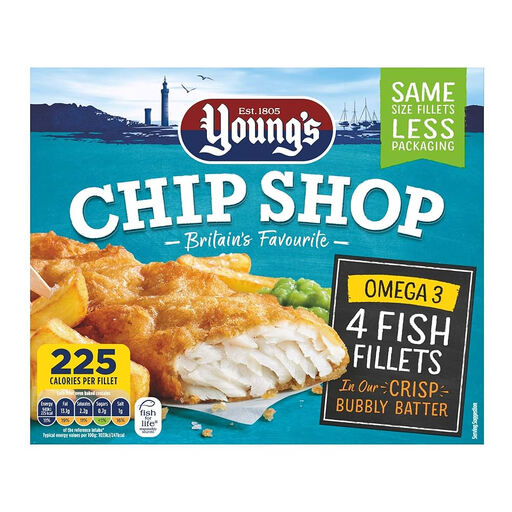 Image unavailable
Four coated fillets are a format to consider for an informal supper; compare the count with your guest list. The Joybuy listing describes battered Alaska pollock and declares fish, gluten, milk and mustard. Check the current pack’s cooking directions and allergen information before serving.
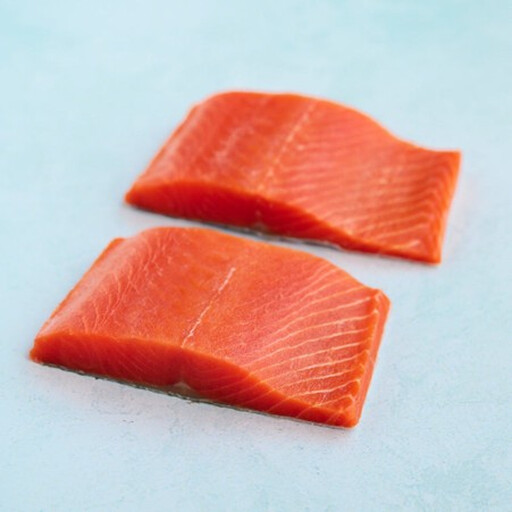 Image unavailable
A 220g pack of salmon fillet steaks is an option for individually plated fish. Confirm the number of portions needed, the current allergen label and the pack’s cooking method and timing before building the rest of the menu.
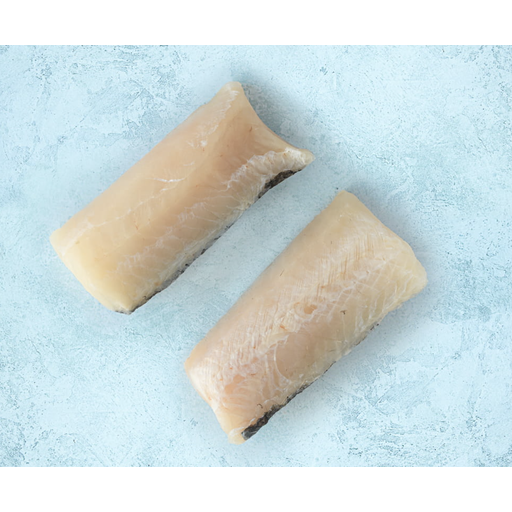 Image unavailable
These 280g hake loin steaks offer another format for separate fish plates. Check the pack’s piece count against the guest list, and read its cooking directions and allergen information before planning accompaniments.
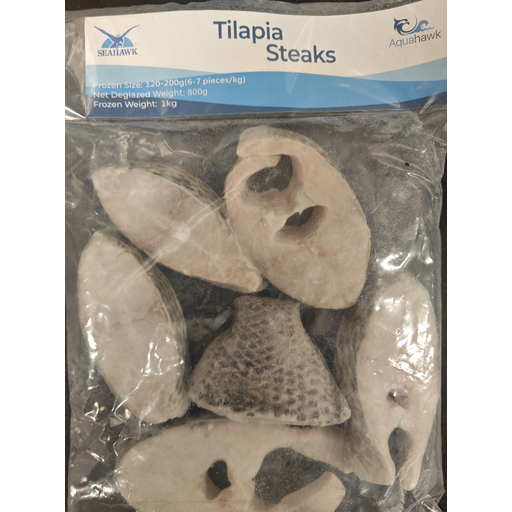 Image unavailable
The stated six or seven steaks provide pieces to count when planning individual plates. Compare that count with your guests and check the pack’s serving guidance, cooking directions and timing before deciding how to prepare them.
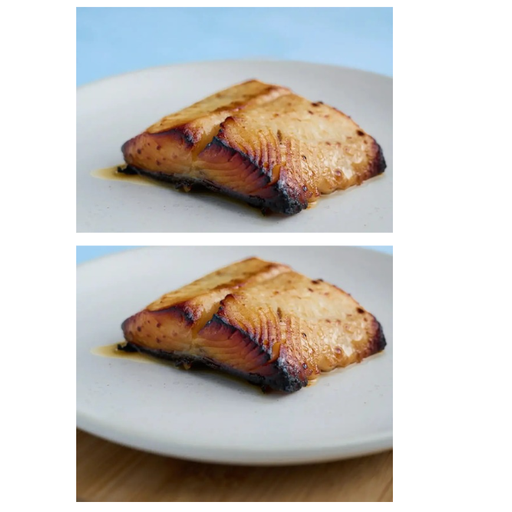 Image unavailable
This miso black cod is listed as one 140g steak, so a meal for several guests calls for a deliberate pack count. Check the current marinade ingredients and allergens, along with the defrosting and cooking directions, before including it in the menu.
Start with the guest count and compare it with the exact pack’s stated servings and piece count, not its weight alone. ASDA suggests three servings for its 320 g cod fillets but two for its 300 g cod loins; check how many packs your chosen format requires.
Yes, if the exact product’s directions specify a from-frozen method. Tesco specifies oven cooking from frozen for its Haddock Fillets, while ASDA gives its cod loins both a frozen oven method and a separate method after refrigerator defrosting. Follow the directions for the product you serve.
Do not assume they are. ASDA’s breaded cod declares fish and wheat, and the Young’s Chip Shop Omega 3 listing declares fish, gluten, milk and mustard. Check the current physical pack against each guest’s requirements, including where someone has coeliac disease.
Follow the exact pack’s storage instruction: M&S Wild Icelandic Cod Fillets and the Young’s Chip Shop Omega 3 listing both say not to refreeze after thawing. The Food Standards Agency notes that thawing followed by storage at higher temperatures can allow surviving microorganisms to grow.
Yes. Tesco’s Haddock Fillets warn that some bones may remain despite efforts to remove them, and M&S gives a similar warning for its Wild Icelandic Cod Fillets. Check the product warning and take care when serving.