Hosts serving a plated fish main
Plain fillets or loins leave room for your own sauce, seasoning and sides. Look for a stated piece count and cut if you want to serve guests comparable portions.


For a plated main with your own sauce, start with plain, skinless and boneless fillets, then check the pack weight and piece count against your guest list. Coated cod suits a more casual oven-to-table meal, while salmon is an option when the menu calls for oily fish. Whichever you choose, check the exact pack’s ingredients, allergens and cooking directions before planning the meal.
Plain fillets or loins leave room for your own sauce, seasoning and sides. Look for a stated piece count and cut if you want to serve guests comparable portions.
Coated fillets fit a fish-and-chips-style menu. Check the oven directions and the ingredients of the particular product, rather than treating all coated fish alike.
Fish itself is an allergen. Coatings and marinades can introduce others, so check the current label for every product you intend to serve.
Decide how you want to serve the fish, then check quantities, ingredients and preparation against that menu.
| Priority | What to check | Your needs |
|---|---|---|
| Menu format | Choose between plain fish for your own seasoning and coated fish for a casual meal. Check whether the cut is a fillet, loin or steak. | I’m making a sauce-led plated main, or I’d rather serve a coated fish dish with sides. |
| Fish type | Check the named species. The NHS classifies salmon as oily fish and cod, haddock and pollock as white fish. | If oily fish is part of my menu plan, I’ll look for salmon rather than assuming every fish fillet meets that description. |
| Portions | Compare the piece count, net weight and any stated weight per piece with the guest count. Check whether you need more than one pack. | Everyone should receive a suitable plated portion; a pack containing several fillets does not tell me that they are evenly sized. |
| Ingredients | Read the current ingredients and allergen statement, including any coating or marinade. Young’s Chip Shop cod, for example, declares fish, wheat containing gluten and mustard. | Before serving guests, I need to know what is in the exact product, not just which fish species is named on the front. |
| Preparation | Check whether your chosen method starts from frozen or requires defrosting. Follow that pack’s storage, thawing and cooking instructions. | I want the preparation to fit the time and fridge space available before guests arrive. |
Piece counts alone can conceal small portions: Joybuy’s Morrisons skinless and boneless cod pack states four fillets at approximately 90g each.
Compare each pack’s weight and piece count with your guest list and the rest of the menu before deciding how many packs to buy.
A coating changes both the dish and its ingredient list. Young’s Chip Shop cod declares wheat containing gluten and mustard alongside fish.
Check the current label against guests’ needs and choose a format that works with the sauce and sides you plan to serve.
Cooking routes vary by product. The Food Standards Agency notes that thawing and then holding food at substantially warmer temperatures can increase spoilage and foodborne-illness risks.
Read the pack directions before shopping, and make space in the fridge if its method calls for refrigerated defrosting.
Birds Eye’s stated certification policy concerns sourcing; it does not tell you a particular pack’s portion size, ingredients or cooking method.
Consider sourcing information alongside the exact product’s species, cut, allergen statement and preparation directions.
Its frozen fish range includes fillets, coated products and steamed fish products.
Young’s offers natural fish fillets and coated fish as distinct menu options.
Tesco lists frozen own-label fish, including a Finest pack of two skinless and boneless cod loins weighing 300g.
These options cover marinated fish, salmon, battered cod, tilapia steaks and plain pangasius fillets. Compare each pack with your intended menu and number of guests.
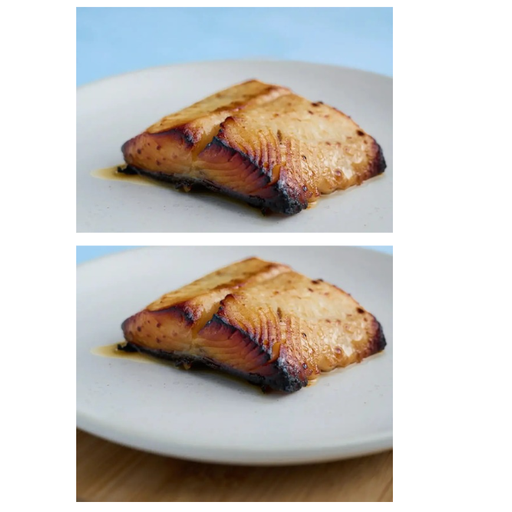 No image available
For a plated fish main with miso marinade, this pack contains one 140g steak; count one pack per steak needed. Check the marinade ingredients against guests’ allergens and follow the current pack’s preparation directions.
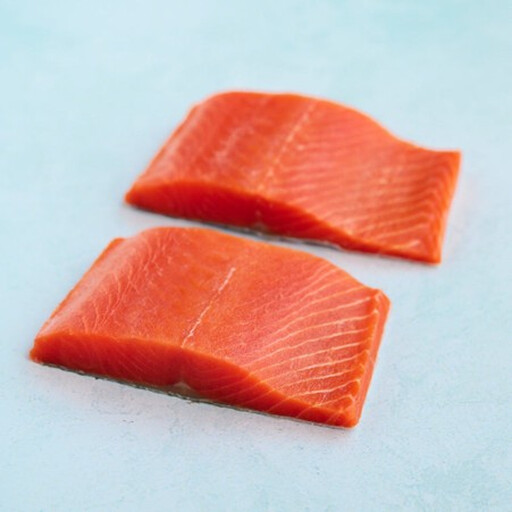 No image available
For a menu calling for oily fish, this pack contains two skin-on salmon steaks with a stated total weight of 220g. Compare the quantity with your guest list, check the pack for bone information and plan for its thawing directions.
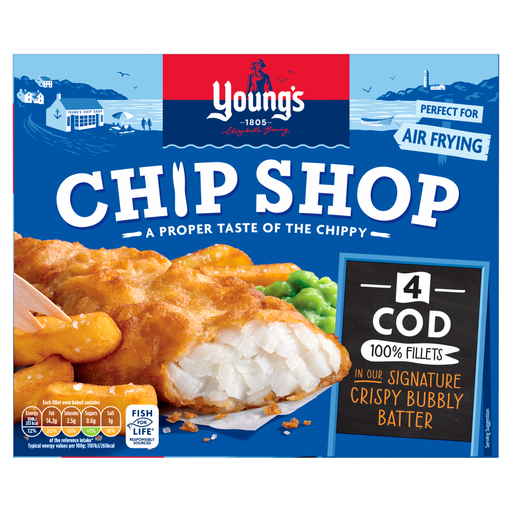 No image available
For a casual coated-fish meal, the pack contains four battered cod fillets and gives an oven-from-frozen method. It declares fish, wheat containing gluten and mustard; check the current label and follow its cooking directions. The listing also cautions that bones may remain.
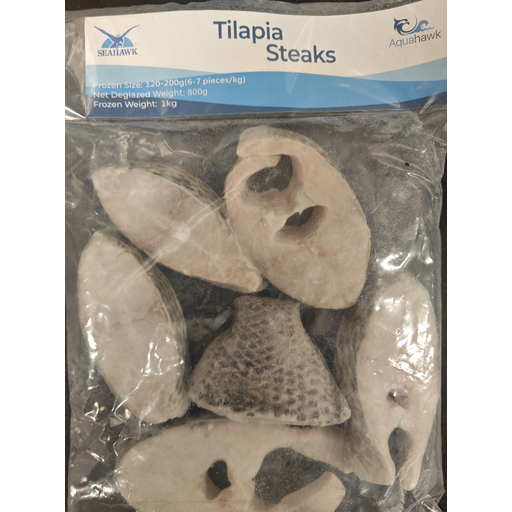 No image available
For a meal needing several pieces of fish, compare the stated six or seven steaks with your guest count. Check individual sizes and whether skin or bones remain if those details affect plating; follow the pack’s thaw-before-cooking directions.
 No image available
For a plain fish main with your own sauce, the product is described as skinless and boneless. Its title states 1kg total weight and 800g net; confirm the fillet count and fish weight apart from ice before calculating servings. Follow the pack’s refrigerator-thawing directions.
Start with the exact pack’s piece count and weight, then compare them with the guest list and the rest of the menu. A stated fillet count does not guarantee equally sized main-course portions; the NHS’s 140g fish-portion reference should not be treated as the raw weight of every frozen fillet.
Choose plain fillets if you want to add your own sauce and control the plating; battered fish fits a more casual meal. Check the exact product’s ingredients either way: Young’s Chip Shop cod, for instance, declares fish, wheat containing gluten and mustard.
Use an oven-from-frozen method only when the exact pack gives one. Young’s describes its natural-fillets range as cook-from-frozen, but preparation directions can differ between products and cooking methods.
Follow the directions for the fish you buy and allow the required time and fridge space. Joybuy’s Morrisons four-cod-fillets pack, for example, instructs refrigerator defrosting for approximately 12 hours and use on the same day; those timings should not be applied to a different pack.
Check the current ingredients and allergen statement for the exact pack: fish is itself an allergen, while coatings or marinades can contain additional ingredients. Plain fish is not an alternative for someone with a fish allergy.