Hosts planning a plated dinner
A larger prepared dish can make a visible main course with fewer components to assemble. Check its stated servings and whether it fits your oven before settling the guest count.


For a more formal main with less assembly, consider a prepared centrepiece; plain fillets give you more control over portions and accompaniments, while coated fish or scampi can suit a relaxed meal. To judge value for your dinner party, match the format to the guest count, check usable weight and stated servings, and allow for cooking capacity, preparation time and guests’ allergens.
A larger prepared dish can make a visible main course with fewer components to assemble. Check its stated servings and whether it fits your oven before settling the guest count.
Compare fish intended for the same place on the menu. Pack weight, usable fish quantity and stated portions help show whether a format will cover the table.
Plain fillets give you more scope to prepare accompaniments separately, but the exact fish and every other component still need checking against each guest’s allergies.
Choose the menu role first—a centrepiece, individual portions or a relaxed sharing dish—then check how the pack will work for your guest count and cooking setup.
| Priority | What to check | Your needs |
|---|---|---|
| Usable portions | Compare formats serving the same menu role. Check net fish weight, pack weight and any stated serving count; allow for sides when planning the meal. | I need enough main-course fish for the confirmed guests, not simply a pack that looks large. |
| Cooking schedule | Read the exact cook-from-frozen or defrosting directions. Check oven space, tray capacity and whether several batches are needed. | Everyone’s main course needs to be ready close enough together to serve at the planned time. |
| Ingredients and allergens | Read the current ingredients list for the fish, coating, sauce and sides. Check fish, crustaceans and molluscs separately where relevant. | I need to check each component against my guests’ allergies rather than assuming all seafood dishes have the same ingredients. |
| Presentation | Consider a larger prepared dish for a shared centrepiece, fillets for individual plates, or coated fish and scampi for a casual menu. | For a formal meal, I want a main that suits the way I plan to serve it; for a relaxed gathering, sharing may matter more. |
| Preparation | Check how much seasoning or assembly is already done and which sauces or accompaniments you will prepare separately. | I may prefer a prepared dish to limit assembly, or plain fish so I can choose the flavour and portions myself. |
A prepared dish, loose fillets and a coated fish pack may provide different numbers of useful main-course portions.
Compare products intended for the same menu role, then check net weight and any stated servings against your guest count.
Cooking in batches can leave the first fish ready well before the last. Birds Eye’s instructions for its cited battered fillets specify no more than two fillets in an air-fryer basket.
Read the instructions for your chosen product and plan the trays, oven space or batches needed for all guests.
A product intended for cooking from frozen may have different preparation directions from one that needs defrosting.
Follow the pack. GOV.UK food hygiene guidance says to defrost food fully before cooking unless the manufacturer says to cook it from frozen, and advises defrosting in the fridge.
The Food Standards Agency distinguishes fish, crustaceans such as prawns and scampi, and molluscs. Coatings and sauces can introduce other ingredients.
Ask guests about allergies in advance, check the current label for every component and keep the packaging available while serving.
These ranges illustrate different menu formats; check the particular product rather than assuming every item from a brand is prepared or cooked alike.
Its cited frozen-fish range includes breaded, battered and lightly dusted formats.
Young’s lists natural fillets alongside prepared dishes and its Gastro range of coated, marinated and other fish products.
Tesco Groceries lists frozen fillets, coated fish and prepared products, including a Tesco Finest Salmon Wellington.
Sainsbury’s lists frozen white fish, salmon, cod, prawns and coated fish.
M&S lists frozen fillets, fish pies, coated fish, fishcakes and larger salmon dishes.
These options include plain fish for a host-prepared course, a sauced eel dish and fish in larger or pre-cut formats. Compare their stated quantities with your menu and check the pack before serving guests.
 No image available
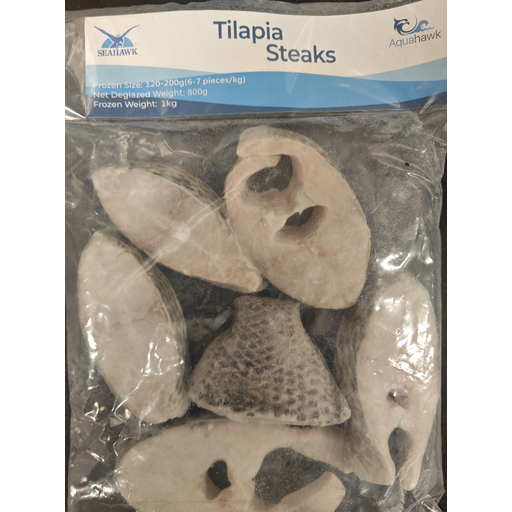
The fillet format lets you plan a course with your own sides. Allow time to thaw in the fridge as directed, and confirm how many portions the 800g net fish weight will provide for your guests.
 No image available
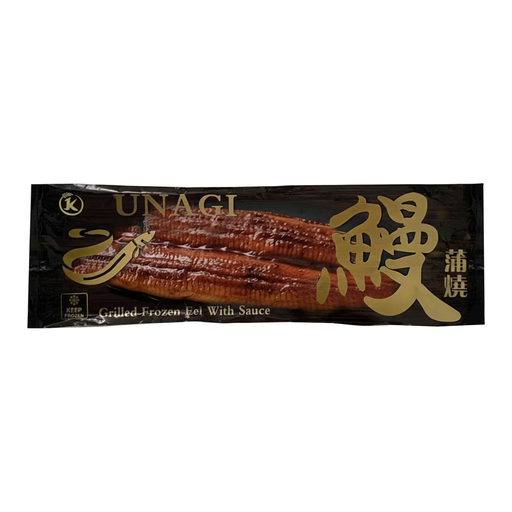
A sauced fish option for a menu that calls for less assembly. Check whether the pack quantity suits your intended portions, follow its heating directions and check the current sauce ingredients for soya and wheat.
 No image available
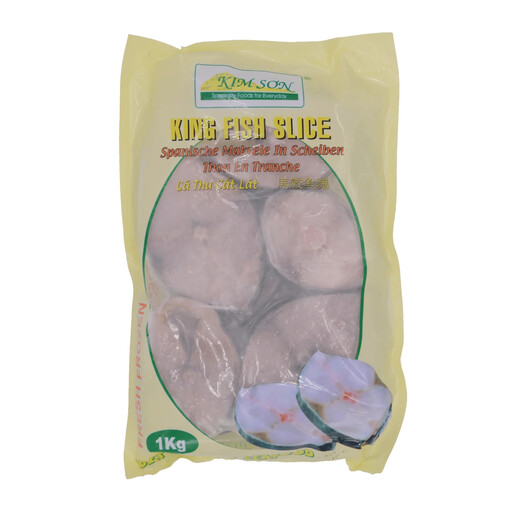
Pre-cut fish for a course you will season and cook yourself. The fish is raw and needs thorough cooking; small bones may be present, so check portions and serving suitability carefully.
 No image available
Consider this for a menu built around preparing the fish yourself rather than individually plated fillets. It is a whole, raw fish that needs thorough cooking; small bones may be present, and the usable portions need checking against your guest count.
 No image available
The stated steak count helps you plan individual pieces, but check whether six to seven steaks provide the portions your menu requires. Read the current pack for ingredients, allergens, defrosting and cooking directions before serving.
Compare products intended for the same menu role, then check net weight and any stated servings against the guest count. A salmon Wellington, plain fillets and fish fingers are not interchangeable main-course portions; remember to plan the accompaniments too.
A prepared dish suits a menu where you want less assembly and are happy with its set ingredients. Plain fillets give you more control over portioning, sauces and sides, although every component still needs checking for guests with allergies.
Do so only when that product’s instructions say to cook it from frozen. GOV.UK food hygiene guidance says food should otherwise be fully defrosted before cooking and advises defrosting in the fridge.
Check the current ingredients list for every dish and accompaniment. The Food Standards Agency distinguishes fish, crustaceans and molluscs; coatings and sauces may also contain ingredients such as milk, egg, soya or cereals containing gluten, depending on the recipe.
Confirm that the chosen product is available for your order, provides suitable portions and fits your cooking setup. Check its current label and cooking instructions before committing to a preparation schedule for your guests.