Hosts planning a small Easter lunch
Plain fillets leave room for your own sauce and side dishes. If you would rather assemble less of the main course, consider a prepared format, then check its stated portions and cooking directions.


Choose plain frozen fillets if you want to season the fish and build the Easter meal around your own sauce and sides. A prepared centrepiece reduces assembly, while coated portions offer a set flavour and finish; for either option, check the pack’s portions, allergens and cooking directions against your guest list and serving schedule. A premium label alone does not settle those choices.
Plain fillets leave room for your own sauce and side dishes. If you would rather assemble less of the main course, consider a prepared format, then check its stated portions and cooking directions.
Seasoned or coated portions provide a defined flavour or finish. Check the fish species, coating ingredients and instructions for the exact pack before fitting them into the meal.
Compare ingredient lists rather than relying on a product name or photograph. GOV.UK says allergens used as ingredients in prepacked food must be clearly labelled; a coating can introduce allergens beyond fish.
Decide how much of the dish you want to prepare yourself, then compare packs that fit your guest numbers and cooking schedule.
Choose when: You want to set the seasoning, sauce and presentation yourself.
Allow for: Preparing those additions and following the fillets’ own cooking instructions.
Choose when: You want a more assembled main course; Tesco lists a Finest Salmon Wellington 700 g as one example of the format.
Check: The current pack’s ingredients, portions and cooking directions before planning the rest of the meal.
Choose when: A set flavour and textured coating suit the course you have planned.
Bear in mind: Coating ingredients may affect allergy suitability and leave less room to change the dish’s flavour.
| Priority | What to check | Your needs |
|---|---|---|
| Format and portions | Compare the stated fish species, preparation style, pack weight and number of portions. Check that the format suits the same number of diners when comparing packs. | I want enough fish for the table without choosing a larger assembled dish when individual fillets would suit the menu better. |
| Flavour and provenance | Check whether the fish is plain, seasoned or coated, and read any specific sourcing statement. Treat a retailer’s traceability wording as its claim, not a measure of how the dish will taste. | If I am making my own sauce, an uncoated fillet gives me more control over the finished plate. |
| Cooking schedule | Read the exact pack’s from-frozen or defrosting directions, cooking method and serving instructions. The Food Standards Agency advises keeping a freezer around -18°C and following label instructions. | The fish needs to fit the oven space and serving time I have planned, rather than a cooking time borrowed from another product. |
| Allergens | Read the current ingredients list and any may-contain statement, including those for coatings and sauces. GOV.UK says allergens used as ingredients in prepacked food must be clearly labelled. | Before cooking for guests with allergies, I need to check the particular packs I will serve, not assume all fish fillets have the same ingredients. |
A named range does not tell you whether the fish is plain or coated, how many people the pack serves or which ingredients it adds to the plate.
Choose the format that suits your meal first, then compare the exact packs for species, portions and preparation.
Birds Eye lists wheat and mustard in its lightly dusted rosemary-and-sea-salt fillets, alongside fish, and notes possible milk. A guest’s allergy checks therefore need to cover more than the fish species.
Read the current allergen declaration for the fish and anything served with it.
The M&S Wild Icelandic Cod Fillets page describes raw fish that must be cooked and warns that bones may remain. Cooking and handling directions can differ between products.
Follow the chosen pack’s storage, defrosting and cooking instructions, and check carefully for bones when serving.
Its Wild Icelandic Cod Fillets are a plain frozen-cod example for a meal built around your own sauce and sides.
Tesco’s frozen range listing names both 2 Skinless & Boneless Cod Loins 300 g and a Salmon Wellington 700 g, representing different ways to plan the main course.
Young’s natural-fish range includes uncoated fillet options for cooks planning their own seasoning and accompaniments.
Its lightly dusted rosemary-and-sea-salt fillets illustrate a coated option rather than a plain-fish main.
These options include plain fish for a dish you season yourself, battered fillets and a single marinated steak. Compare their pack formats with the number of guests and the meal you intend to make.
 No image available
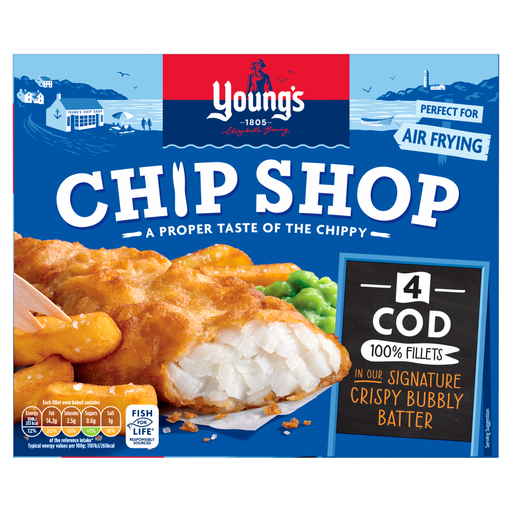
Consider these battered cod fillets if a coated course suits your Easter menu. The pack contains four fillets; check its allergen declaration, cooking directions and bone warning before serving.
 No image available
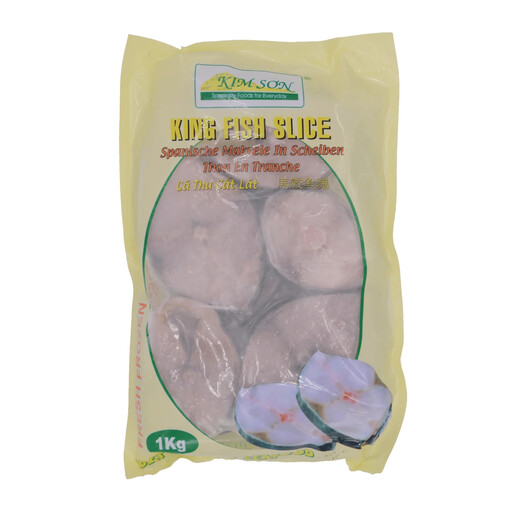
These fish slices leave the seasoning and accompaniments to you. The pack is labelled 1kg; check its slice count and cooking directions when planning portions, and take care over the stated possibility of small bones.
 No image available
These plain fillets suit a dish where you choose the seasoning. The title distinguishes 800g net weight from 1kg total weight and specifies IQF 170/200g; check the number of fillets and allow for the stated refrigerator-thawing step.
 No image available
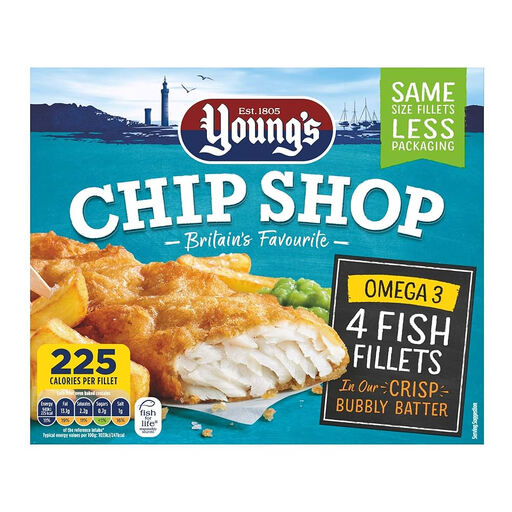
This four-fillet battered format is an option for a coated fish course, not an unseasoned fillet dish. Check the current pack’s allergen declaration, cooking time and bone warning before planning when to serve it.
 No image available
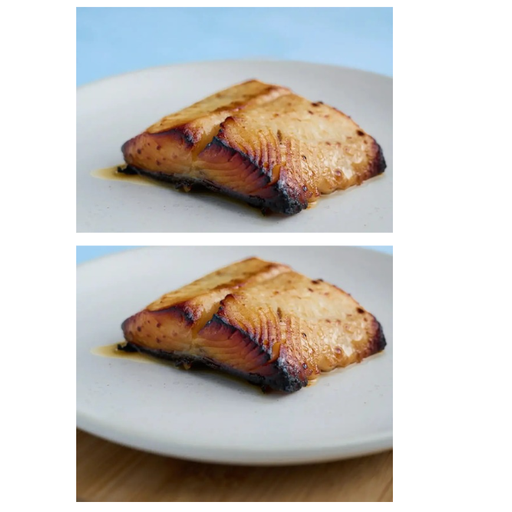
This miso-prepared steak offers a different route from a plain fillet or battered portion. Each pack contains one 140g steak: plan the pack count for your guests, allow for defrosting before cooking and check the current allergen information.
Choose plain fillets if you want to control the seasoning, sauce and presentation; choose coated portions if their set flavour and finish suit your menu. Check the species, coating ingredients and number of portions on the exact pack, particularly when serving guests with allergies.
Only use a from-frozen method when the particular pack instructs you to do so. Birds Eye gives one for its lightly dusted rosemary-and-sea-salt fillets, but cooking methods and times differ between fish products.
Follow the product label’s storage and defrosting directions. The Food Standards Agency advises that a freezer should be around -18°C; the M&S Wild Icelandic Cod Fillets page also specifies -18°C storage and says not to refreeze after thawing.
Check the full current ingredients list and any may-contain statement, not just the fish species. GOV.UK says allergens used as ingredients in prepacked food must be clearly labelled; Birds Eye lists wheat and mustard as well as fish in its lightly dusted rosemary-and-sea-salt fillets, with possible milk.
Use it to narrow your options, then read the label on the pack you will actually serve. Check any sauces and sides separately, and ask the retailer or manufacturer for clarification if an ingredient statement is unclear.