Households planning weekday fish dinners
Count the stated servings before choosing packs for a shared meal. A four-piece pack is easy to divide, but pieces and servings are not necessarily the same thing.


For a large family shop, start with the number of servings on each frozen-fish pack rather than its weight alone. Coated portions make it easier to count pieces for a meal, while plain fillets give you more choice over seasoning and sides; in either case, check the species, fish format, allergens and product-specific storage and cooking directions.
The right mix depends on how many people each pack needs to serve and how you plan to cook the fish.
Count the stated servings before choosing packs for a shared meal. A four-piece pack is easy to divide, but pieces and servings are not necessarily the same thing.
Look for the exact fish species and the words “formed” or “whole fillet”. Similar pack weights can describe different fish formats and recipes.
Plan the freezer space around the meals you intend to make, whether that means coated white fish, plain fillets or salmon. Check the cooking directions and allergens on each product separately.
Decide how many meals the shop must cover, then compare the packs by servings, fish format and the equipment and freezer space available at home.
| Priority | What to check | Your needs |
|---|---|---|
| Portions | Read the serving statement and count the pieces. Compare both with the number of people eating; do not treat pack weight as a serving count. | Will one pack cover dinner, or do I need more fish alongside the other dishes? Tesco Groceries and Sainsbury’s each describe checked 500g breaded-cod packs as four-serving products. |
| Fish format | Check the species, fish percentage and whether the product says “formed” or “whole fillet”. A coating contributes to the pack weight. | If I want whole pieces of cod, I’ll check the description rather than assume every breaded fillet has the same format. Tesco Groceries describes its chunky 500g breaded cod as whole fillet with 65% cod; its other checked breaded-cod pack is formed. |
| Meal variety | Identify the species on each pack and distinguish white fish from an oily-fish choice. Check whether plain or coated fish fits the meals planned. | For meals with my own seasoning and sides, plain fillets may be more useful than several packs of the same coated product. If I’m planning an oily-fish meal, I’ll choose by species rather than an “omega-3” phrase on a white-fish pack. |
| Allergens | Read the declaration on every exact pack, particularly for coated recipes. Check ingredients again when switching product or recipe. | A familiar-looking fish portion still needs checking before I serve it to someone with a dietary restriction. The examined coated products include fish and wheat, and some also list milk or mustard. |
| Freezer space | Check the space available and follow each pack’s storage temperature and defrosting directions. | Several packs need to fit in my freezer at the required temperature. The examined Birds Eye and Young’s instructions specify −18°C or below and say not to refreeze after defrosting. |
| Cooking capacity | Read the instructions for the exact product and appliance, including how many pieces can cook in one batch. | If dinner depends on one air-fryer batch, I need to check capacity first. Birds Eye’s instructions for its four battered fish fillets allow a maximum of two fillets in the basket at once. |
| Certification | If certified wild-catch sourcing matters to you, check the individual pack for the blue MSC ecolabel. | I won’t assume a species or retailer name establishes certification. The Marine Stewardship Council says its blue label identifies seafood certified to its environmental standard. |
A pack of formed cod, a whole-fillet product and battered pollock can differ in species and fish content even when their weights look similar.
Check the serving count, species, fish percentage and “formed” or “whole fillet” wording together.
Birds Eye’s instructions for its four battered fish fillets specify no more than two fillets in the air-fryer basket at once.
Read the directions for the exact pack before planning how to cook dinner.
Cooking the full pack in an air fryer would require more than one batch under those instructions.
It does not tell you whether a coated product contains oily fish. The NHS distinguishes oily fish such as salmon from white fish such as cod, haddock and pollock.
Use the species named on the pack when planning different fish meals.
The examined frozen-fish instructions specify storage at −18°C or below and say not to refreeze after defrosting. Coated recipes can also contain allergens beyond fish.
Check freezer space and temperature before buying several packs, then follow each product’s storage, cooking and allergen directions.
These ranges illustrate different fish formats to check; a brand name alone does not establish the ingredients or instructions of an individual pack.
Its frozen range includes coated fish formats for meals built around countable portions.
Young’s lists natural cod and white-fish fillets as well as coated fish products.
The checked own-label breaded-cod packs offer a clear formed-versus-whole-fillet distinction.
Its frozen-fish listings include coated cod and other white-fish fillets.
Its examined frozen-fish listings include Young’s battered pollock and Birds Eye battered cod.
Its frozen-fillets range lists options including haddock and lightly prepared fish.
These options include larger plain-fillet packs, a four-piece cod pack and a smaller snakehead-fish pack. Compare the stated quantities with your meal plan, and check the individual packs for servings and preparation directions.
 Image unavailable
For meals using plain fillets, the title distinguishes the 800g net fish quantity from the 1kg total weight. Check the pack’s serving guidance and thawing directions when planning how many people it will feed.
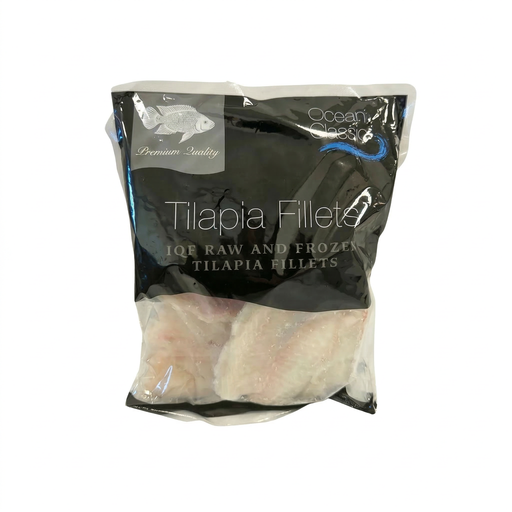 Image unavailable
Another plain-fillet option for a planned fish meal, with 800g net stated in the title. Check the serving guidance and preparation directions before deciding how many packs the household needs.
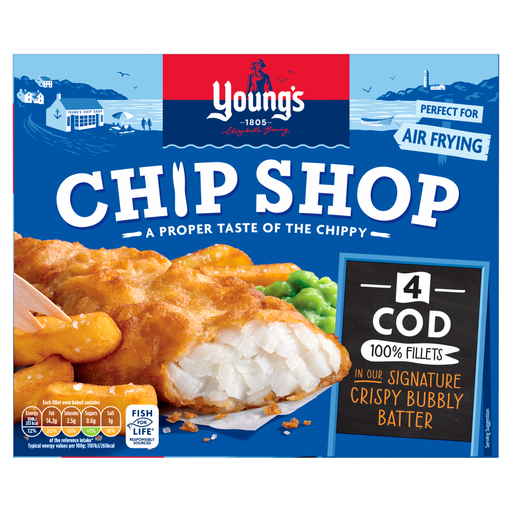 Image unavailable
Four countable cod fillets can help you plan how many pieces to cook, but four pieces should not be assumed to equal four stated servings. Check the pack’s allergen declaration, bone warning and cooking instructions before serving.
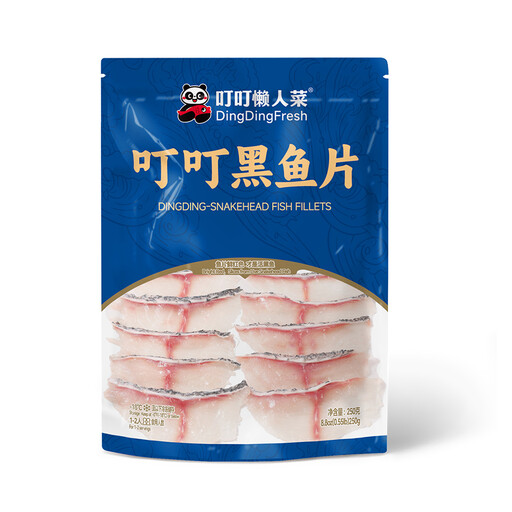 Image unavailable
Consider this smaller labelled size for a specific dish or as an addition to a larger fish shop, rather than assuming it covers a family meal. Confirm the net quantity, servings and preparation directions on the pack.
Start with the serving statement on each exact pack and compare it with the number eating. The checked Tesco Groceries and Sainsbury’s 500g breaded-cod products each state four servings; do not assume every pack of a similar weight serves four.
No. A whole-fillet description and a formed-fish description identify different formats, so choose according to the meal you intend to make and check the species and fish content too. Tesco Groceries describes its checked chunky breaded cod as whole fillet with 65% cod, while its other checked breaded-cod pack is formed.
Check the species named on each pack rather than relying on a coated product’s marketing phrase. The NHS advises at least two portions of fish a week, including one of oily fish; salmon is an oily-fish option, while cod, haddock and pollock are white fish. Advice can differ for children and for people who are pregnant or breastfeeding.
Read the declaration on the exact pack before serving. The examined coated products contain fish and wheat, and some list milk or mustard; ingredients differ between recipes.
Follow each product’s own storage and cooking directions. The examined Birds Eye and Young’s instructions specify −18°C or below and say not to refreeze after defrosting; cooking methods and the number of fillets permitted in an air-fryer batch can differ by product.