Families comparing fat figures
If fish is the centre of dinner and reducing fat is the priority, compare plain white-fish fillets and loins with coated products using the fat value per 100g. Check the preparation basis shown beside each figure.


For a family fish dinner where reducing fat matters most, start with plain, uncoated white-fish fillets or loins and compare the fat figures per 100g on the current packs. ASDA lists 0.8g per 100g prepared as directed for its Atlantic cod loins, while M&S lists 1.2g per 100g for its British hake fillets; M&S Battered Cod lists 10g per 100g. Coated fish offers a different cooking and eating format, so check the preparation instructions, ingredients and allergens as well as the nutrition panel.
If fish is the centre of dinner and reducing fat is the priority, compare plain white-fish fillets and loins with coated products using the fat value per 100g. Check the preparation basis shown beside each figure.
A frozen pack can fit a planned family dinner, but cooking methods differ. Check whether the exact product needs defrosting before you rely on it for a meal straight from the freezer.
Plain white fish and oily fish need not serve the same buying priority. If you are considering salmon for its omega-3 content, compare its own nutrition panel rather than treating it as a substitute for the lowest-fat white-fish option.
Choose when: Reducing total fat is the main consideration for the fish portion of dinner.
Allow for: Adding your own flavour and checking whether the pack calls for defrosting before cooking.
Choose when: Including an oily-fish meal matters more than selecting the lowest total-fat fish.
Bear in mind: An omega-3 description does not tell you that a product has less total fat than plain white fish.
Choose when: A battered or breaded format matters more to the meal than minimising its fat figure.
Check carefully: The coating changes the ingredients and may change the nutrition and allergen information.
| Priority | What to check | Your needs |
|---|---|---|
| Total fat | Compare fat per 100g and note whether the value is for the product as sold or prepared as directed. ASDA lists 0.8g per 100g prepared as directed for its Atlantic cod loins; M&S lists 10g per 100g for its Battered Cod. | I want the fish portion of dinner to have a lower stated fat figure, so I will compare the exact packs rather than assume every frozen fillet is alike. |
| Fish type | Distinguish plain white fish from oily fish and check the nutrition panel of the product you are considering. The NHS discusses oily fish separately in its fish guidance. | If including oily fish is my priority, I would choose on that basis rather than assume it is also the lowest-fat option. |
| Preparation | Read the pack’s frozen-cooking or defrosting instructions, cooking method and storage directions. Do not transfer instructions from one fish product to another. | For a dinner with little preparation time, I need to know whether this particular pack can go into the oven from frozen. |
| Ingredients and bones | Check the full ingredient and allergen statements, especially for coatings and seasonings. Follow any warning that bones may remain, even on a fillet. | With several people sharing the meal, I need a pack whose ingredients and handling instructions work for everyone eating it. |
The format matters. M&S lists 1.2g fat per 100g for its British hake fillets and 10g per 100g for its Battered Cod; those figures describe different products, not frozen fish as a whole.
When reducing fat is the aim, compare the total-fat values per 100g on the packs you are choosing between, including their stated preparation basis.
Omega-3 information and total fat answer different questions. Sainsbury’s lists 12.7g fat per 100g oven baked for Young’s Chip Shop Omega 3 Fish Fillets.
Decide whether you are choosing for an oily-fish meal or comparing total-fat figures, then read the relevant nutrition panel.
Batter or breadcrumbs add ingredients beyond fish. The allergen statement for a coated product therefore needs its own check, even if the household has eaten plain fish before.
Read the ingredient and allergen information on the exact pack before serving anyone with an allergy.
A dinner planned around cooking straight from frozen may need a different pack from one that requires defrosting. The cooking method also affects which nutrition figure is relevant to your comparison.
Check the pack’s cooking, defrosting and storage directions before choosing it for a particular evening.
A brand or retailer name cannot establish a fish product’s fat figure: compare the particular plain, seasoned or coated pack.
ASDA’s listed Atlantic cod loins provide a plain-fish point of comparison.
M&S listings include both plain white-fish fillets and battered cod, making the product format important.
Birds Eye appears in the coated-fish options relevant to a family dinner.
Young’s describes natural frozen fish fillets as well as coated fish products.
Tesco’s Birds Eye battered-fillet listing illustrates the information to check for a specific coated product.
Sainsbury’s lists Young’s coated fish with product-specific nutrition information.
These fish fillets offer options for a fish-centred family dinner, including pangasius, tilapia and a seasoned snakehead product. Compare each pack’s fat figure and cooking directions before deciding whether it fits a reduced-fat or freezer-to-oven meal.
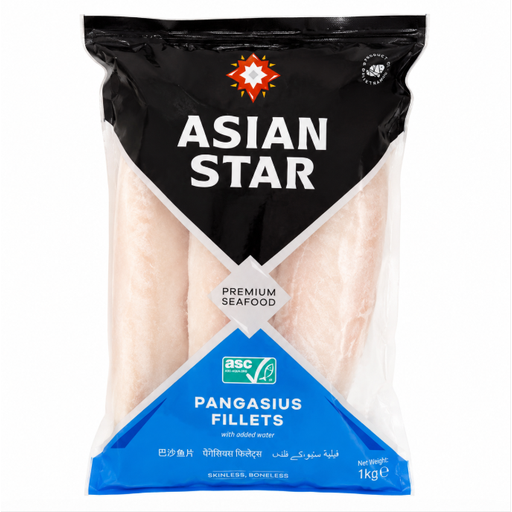 Image unavailable
For a family dinner built around fish you season yourself, compare the pack’s fat and salt figures per 100g. The product name specifies a 1kg pack with 800g net; check its cooking instructions if you need to cook straight from frozen.
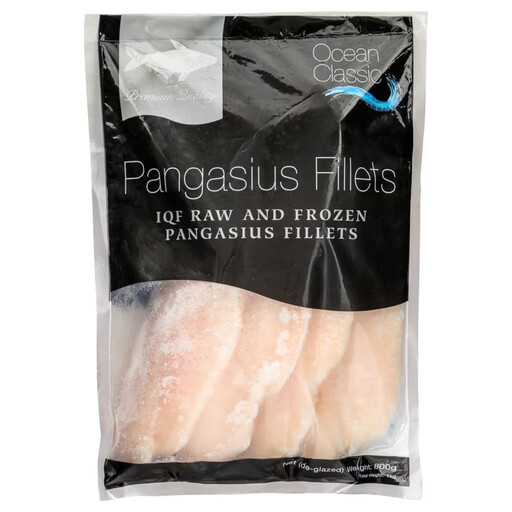 Image unavailable
The skinless and boneless fillets are an option for a fish-centred dinner when there is time to prepare the pack as directed. The product name specifies IQF 170/200g and 800g net; check the defrosting and cooking directions before planning the meal.
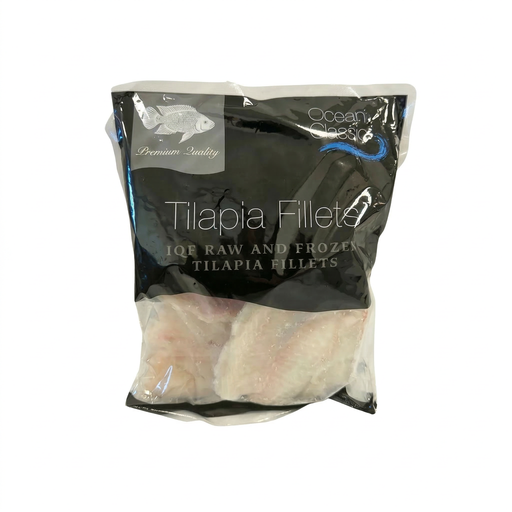 Image unavailable
These tilapia fillets provide another fish option to assess for a shared dinner. The product name specifies an 800g net quantity; compare the current fat figure per 100g and follow the pack’s defrosting and cooking directions.
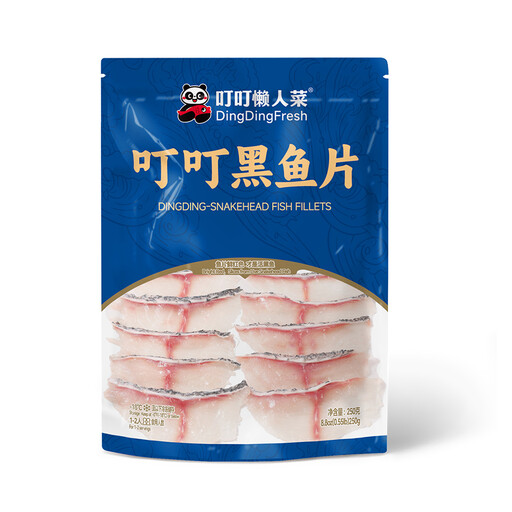 Image unavailable
These seasoned fillets offer a different option from plain fish for a family dish. Compare their fat, salt and ingredient information with an unseasoned pack, and confirm the cooking directions and quantity on the pack.
Start with plain, uncoated white-fish fillets or loins and compare total fat per 100g on the current packs. ASDA Groceries lists 0.8g per 100g prepared as directed for its Atlantic cod loins, while M&S Food lists 1.2g per 100g for its British hake fillets; the preparation basis matters when comparing figures.
No. Omega-3 information does not tell you the product’s total-fat value. For example, Sainsbury’s lists 12.7g fat per 100g oven baked for Young’s Chip Shop Omega 3 Fish Fillets, so read the nutrition panel if reducing total fat is the priority.
Follow the directions for the exact pack rather than assuming every frozen fillet uses the same method. Check whether it calls for defrosting, which cooking methods it specifies and how it should be stored after thawing before relying on it for a quick dinner.
Check the exact product’s fish, coating ingredients and full allergen statement, as well as its cooking directions. A battered product has ingredients beyond the fish itself, and its allergen information should not be inferred from a plain fillet.