What should you check?
Choose the type of fish for the meals you are planning, then compare labels on a like-for-like basis and check whether the portions and cooking method work for you.
| Priority | What to check | Your needs |
|---|
| Fat content | Compare fat per 100g and whether figures describe fish as sold or prepared. Check for batter, breadcrumbs or sauce rather than judging by the fish species alone. | I want a plain fish option for meals where reducing fat is the main consideration. |
| Fish variety | Distinguish white fish from oily fish. The NHS recommends two fish portions a week, including one oily-fish portion. | My weekly fish meals need to include more than the lowest-fat type. |
| Preparation and portions | Check net weight, portion count and whether the stated appliance method starts from frozen or requires thawing. Follow that product’s storage and cooking instructions. | Will the portions fit my freezer and meal routine, and can I use the cooking method on the pack? |
| Allergens and bones | Read the current ingredients and allergen statement, particularly on coated fish. Check any residual-bone warning, including on products labelled boneless. | I need to know what is in each pack and take care when serving fish that may contain bones. |
Plain frozen fish options on Joybuy
These plain frozen fillets are options to consider for uncoated fish meals. Compare each pack’s fat declaration and preparation directions before choosing; the products here do not cover the oily-fish part of a weekly fish plan.
 No image available
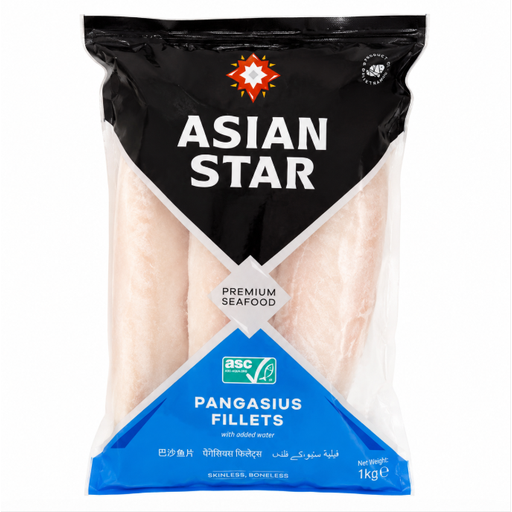
Asian Star White Pangasius Fillet, 1kg (800g net)
Consider these fillets if plain fish fits your meal plan. The title gives a 1kg pack weight and 800g net weight; check the pack’s per-100g nutrition basis, portion size and cooking directions before buying.
 No image available
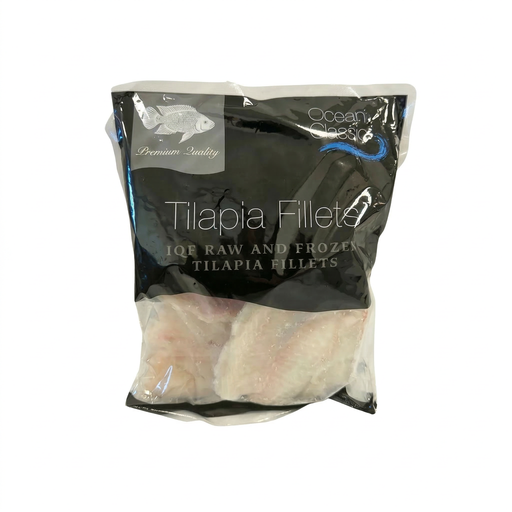
Ocean Classic Tilapia IQF Fillets, 1kg (800g net)
These individually quick-frozen fillets may suit a routine where you can follow the pack’s thawing directions. The title gives 800g net weight; check the fat figure’s declaration basis, cooking method and bone information on the pack.
 No image available
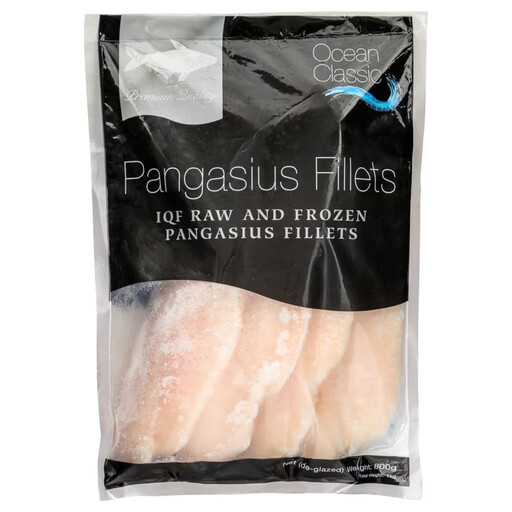
Ocean Classic Pangasius Fillet, Skinless & Boneless IQF 170/200g, 1kg (800g net)
This skinless and boneless-labelled option may suit meals using plain fillets, but take care over possible bones. The title specifies 170/200g and 800g net weight; check the current pack for its nutrition basis, thawing directions and bone warning.
Questions about frozen fish
Which frozen fish should I check first when reducing fat?
Start with plain, uncoated white-fish fillets or loins and compare fat per 100g on matching preparation bases. Product examples from Sainsbury’s, ASDA and M&S have different declared figures, so the exact pack matters more than a general fish name.
Should I leave oily fish out of a reduced-fat shop?
Not automatically. The NHS recommends two fish portions a week, including one oily-fish portion; plan that meal separately from those for which a lower fat figure is your main consideration.
Can I cook any frozen fish straight from the freezer?
Use the directions for the particular product. Permitted methods and whether thawing is required vary, so follow its pack instructions for storage, preparation and cooking.
Do coated fish products need a separate allergen check?
Yes. Coatings can introduce ingredients beyond fish: Birds Eye’s battered cod lists milk and mustard, while the supplied Young’s battered cod information lists wheat and mustard. Read the current ingredients and allergen statement on the pack you buy.
Can fish labelled boneless still contain bones?
Yes. The supplied information for several plain fish products warns that some bones may remain despite processing, so take care when serving and eating them.


