Shoppers comparing fat content
If you plan meals around a particular fat figure, compare the nutrition information for the exact pack. Coating descriptions and fish species alone do not give you a per-100g value.


For a lower-fat frozen-fish order, compare the fat per 100g on the exact product listing and delivered pack rather than relying on the fish name or a description such as “lightly dusted”. M&S lists 1.2g fat per 100g for its uncoated cod and hake fillets, against 5.9g for its lightly dusted cod; if your retailer offers a substitute, check its nutrition, ingredients and allergens before accepting it.
If you plan meals around a particular fat figure, compare the nutrition information for the exact pack. Coating descriptions and fish species alone do not give you a per-100g value.
If the species, coating, ingredients or allergens matter to your order, check any proposed replacement against the product you selected.
Frozen fillets can be portioned for future meals, but check each pack’s storage, thawing and cooking directions before deciding how you will use it.
Start with comparable nutrition figures for the exact product, then check whether its preparation and your retailer’s delivery arrangements fit the meal you have planned.
| Priority | What to check | Your needs |
|---|---|---|
| Fat content | Compare stated fat per 100g on the exact products. Check the delivered pack too, particularly when comparing plain and coated fish. | I want to compare like with like, rather than assume “lightly dusted” means less fat. M&S lists 1.2g per 100g for its uncoated cod and hake, and 5.9g per 100g for its lightly dusted cod. |
| Fish format | Check whether the fillets are plain, seasoned or coated, and read the ingredients alongside the nutrition table. Follow the preparation directions for that product. | A plain fillet leaves me to prepare the rest of the meal; a seasoned or coated option may fit when I want less preparation. The format name alone will not settle the fat comparison. |
| Substitutions | Review the retailer’s substitution setting and any replacement offered. Compare its species, coating, nutrition and allergens with your original choice. | If the exact ingredients matter, I need a chance to assess a different pack before keeping it. Sainsbury’s says an unavailable grocery item may be substituted; Asda says unwanted substitutes can be handed back to the driver. |
| Allergens | Read the ingredients and emphasised allergens for the exact product, then check the delivered pack. Do not assume two coated fish products have the same ingredients. | I need to know whether a coating or seasoning changes which ingredients are in my order. GOV.UK guidance says required allergens must be emphasised in ingredients lists for pre-packed food. |
| Storage and cooking | Check the stated frozen-storage temperature, whether thawing is required and any instructions about refreezing. Use the cooking directions on the pack you receive. | I want portions that fit when and how I plan to cook. A cook-from-frozen product and one that requires thawing call for different preparation. |
| Delivery conditions | Check the retailer’s basket requirements and delivery-slot conditions before placing a small order. | If I am ordering only a few frozen items, I need to know whether my planned basket qualifies for the delivery slot. Sainsbury’s publishes a minimum-order requirement for grocery delivery. |
The name describes a preparation style, not a per-100g nutrition result. M&S lists 5.9g fat per 100g for its lightly dusted cod and 1.2g for its uncoated cod fillets.
Compare the fat figures for the exact packs before deciding which meets your aim.
A replacement may differ in species, coating, ingredients or nutrition from the fish you ordered.
Review substitution settings when ordering and inspect any offered replacement. Asda says unwanted substitutes can be handed back to the driver.
A small frozen-fish order may not meet a retailer’s grocery-delivery requirements; Sainsbury’s publishes a minimum-order requirement.
Check your basket and chosen slot before relying on a standalone delivery.
Products can have different thawing, storage and cooking directions, so a planned meal may need more preparation time than expected.
Read the delivered pack before storing or preparing the fish, including any instruction not to refreeze it after thawing.
These names offer different fish formats or grocery-ordering arrangements; check the exact product and delivery details rather than treating a brand or retailer name as a nutrition guarantee.
Its product pages provide per-100g figures for several plain and prepared frozen-fish examples.
Young’s lists natural fish fillets alongside breaded, lightly dusted and battered ranges.
Birds Eye lists fish fingers and coated fish among its frozen-fish ranges.
Tesco’s online frozen-food range includes fish, with coated products listed from Tesco, Birds Eye and Young’s.
Sainsbury’s grocery-delivery information is relevant when an ordered fish product becomes unavailable.
Asda offers frozen-food ordering for delivery or Click & Collect.
These options include plain frozen fillets and a seasoned snakehead-fish pack. Compare the stated nutrition and pack directions for each one; the fish name alone does not establish its fat content.
 No image available
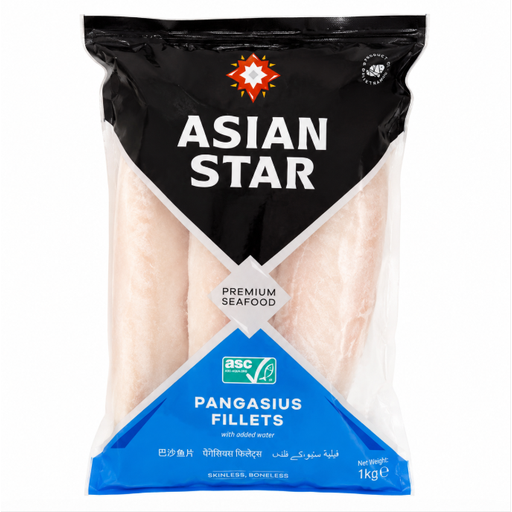
This plain fillet is an option to compare when fat per 100g matters: its listing states 0g per 100g, which you should check against the current pack. The title specifies a 1kg pack with 800g net fish; use the net weight when planning portions and check the pack for cooking directions.
 No image available
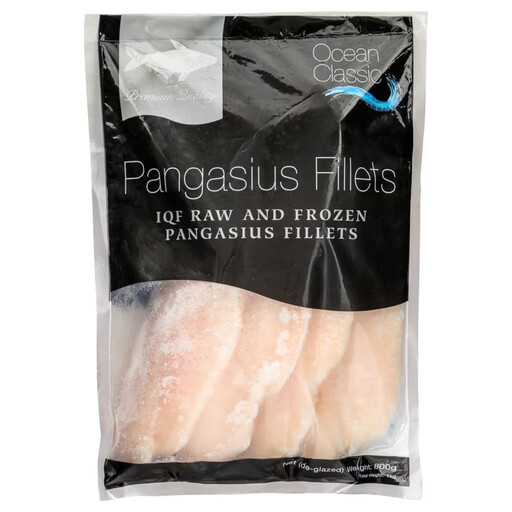
For portioning plain fish, these individually quick-frozen (IQF) fillets are worth checking against your planned meals. The listing states 2.5g fat per 100g; confirm that figure on the current pack. The title specifies 170/200g fillets and 800g net weight in a 1kg pack.
 No image available
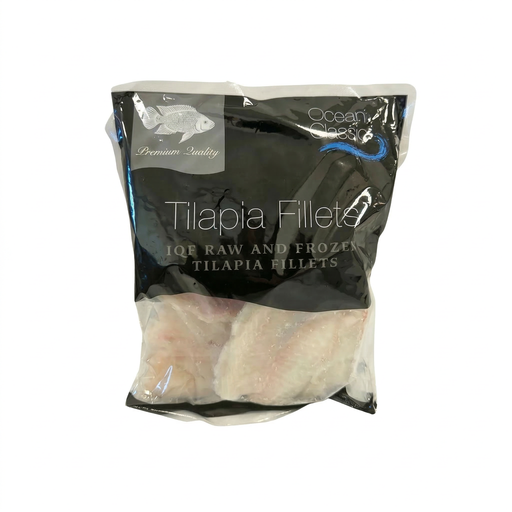
These tilapia fillets offer another uncoated option for a per-100g comparison. The listing states 2.5g fat per 100g; check the delivered pack for the current figure and follow its thawing instructions before cooking. The title gives 800g net weight in a 1kg pack.
 No image available
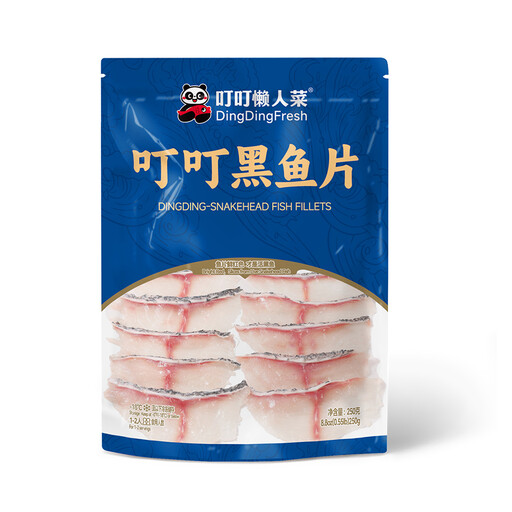
This 250g seasoned fish option suits a meal where you want seasoning included, rather than a plain fillet. Its listing states 4g fat and 1.5g salt per 100g; check the current pack’s nutrition, ingredients and cooking instructions before using it.
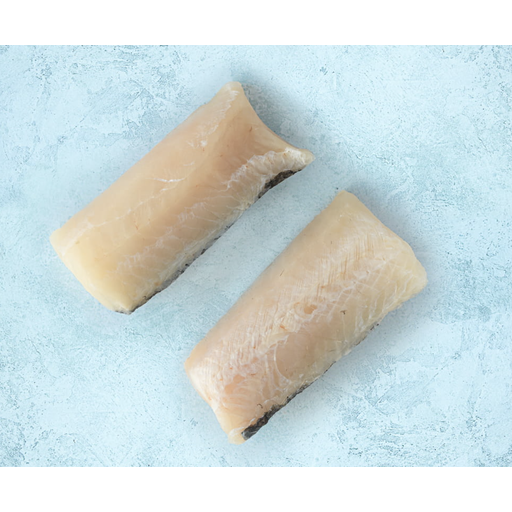 No image available
The two-steak format may suit a meal planned around separate fish portions. If fat per 100g determines your choice, check the current pack’s nutrition panel before comparing these hake steaks with other fillets; also follow its storage and cooking instructions.
No: the description does not establish a fat figure. M&S lists 5.9g fat per 100g for its lightly dusted cod, compared with 1.2g per 100g for its uncoated cod fillets, so compare the exact products’ nutrition panels.
Check the replacement’s species, coating, nutrition, ingredients and allergens before keeping it. Sainsbury’s says an unavailable item may be substituted, while Asda says an unwanted substitute can be handed back to the driver.
Read the exact product’s ingredients when ordering and check the delivered pack before use, especially if the fish is coated or seasoned. GOV.UK guidance says required allergens must be emphasised in ingredients lists for pre-packed food.
Follow the instruction on the exact pack rather than assuming every product has the same handling directions. The M&S cod product information says to keep it frozen at −18°C, and pack-specific thawing and refreezing directions should guide how you store and prepare your delivery.
No. Compare product fat figures when that is the aim for a particular order, without treating one figure as a rule for every fish meal. The NHS advises eating at least two portions of fish a week, including one portion of oily fish; that wider guidance is distinct from selecting a lower-fat frozen product.