Weekly shoppers comparing fat
Plain and coated frozen fish can have different declared fat values. If you are buying for several meals, compare the particular packs rather than treating every fish product as interchangeable.


Start with plain frozen fish fillets if reducing fat is the main aim of your weekly shop. In the M&S products compared here, Wild Icelandic Cod Fillets list 1.2g fat per 100g, against 6.0g for Breaded Cod and 10.0g for Battered Cod. Coated fish may suit a quicker family meal, but compare the current packs on the same nutrition basis and check cooking instructions and allergens.
The useful starting point depends on whether fat per 100g, meal preparation or planning several fish meals matters most in your shop.
Plain and coated frozen fish can have different declared fat values. If you are buying for several meals, compare the particular packs rather than treating every fish product as interchangeable.
Breaded fish, battered fish and fish fingers offer portioned meal options. Check their nutrition information, coating ingredients and cooking directions before choosing one for a regular lower-fat meal.
If you follow NHS general guidance of at least two fish portions a week, including one of oily fish, make room for that oily-fish portion separately from any plain white-fish meals.
Choose a format that fits the meals you plan to make, then compare the labels of the actual packs going into your trolley.
| Priority | What to check | Your needs |
|---|---|---|
| Declared fat | Compare fat per 100g on the same stated basis. In M&S product information, Wild Icelandic Cod Fillets list 1.2g, Breaded Cod 6.0g and Battered Cod 10.0g per 100g; those figures describe these products, not every fish in each format. | For meals where I want to keep declared fat lower, I would start by checking plain fillets against the coated packs I might otherwise buy. |
| Nutrition basis | Check whether the figures describe fish as sold or after cooking, and whether they are per 100g or per portion. Do not treat unlike bases as a precise comparison. | If I am deciding between two convenient products, I want their fat figures to mean the same thing before drawing a conclusion. |
| Weekly fish mix | Plan fish types separately from coating and fat figures. NHS guidance calls for at least two portions of fish a week, including one portion of oily fish. | Plain white-fish meals may fit my plans, but I would not count them as the oily-fish portion in that guidance. |
| Ingredients | Read the current allergen declaration for the exact product. Reviewed coated products include fish and wheat; other listed ingredients vary by product. | When I buy for someone with an allergy, the ingredients on the pack matter more than the familiar appearance of a fish finger or fillet. |
| Preparation | Check the pack for freezer storage, whether thawing is required and the stated cooking method and time. Allow for any preparation needed alongside the rest of the meal. | On a busy evening, I may prefer a coated option; for another meal, I can make time to prepare and cook a plain fillet. |
M&S lists 1.2g fat per 100g for its Wild Icelandic Cod Fillets, 6.0g for its Breaded Cod and 10.0g for its Battered Cod. A fish-based product is not automatically comparable with a plain fillet.
Compare fat per 100g for the packs you are considering, then decide where a coated meal fits in your weekly plans.
The Tesco listing for Young's Chip Shop Omega 3 Fish Fillets gives 12.7g fat per 100g oven-baked. An omega-3 statement answers a different question from the total-fat figure.
Read the fat line on the nutrition panel, along with any other nutrients you want to compare.
Tesco lists the Young's fillets per 100g oven-baked but Birds Eye Omega 3 Fish Fingers per 100g as sold. The two figures do not have the same stated basis.
Look for values on a matching per-100g basis before claiming a precise difference between products.
Coatings and other ingredients vary, as do storage and cooking instructions. A familiar product format does not tell you everything needed to prepare it.
Check the current pack for allergens, storage directions, cooking instructions and any bone warning before serving.
These ranges illustrate formats and label checks; a figure for one named product should not be applied to the rest of a brand's range.
Its named plain, breaded and battered cod products provide a direct comparison of declared fat per 100g.
Young's lists natural fillets as well as fish fingers, fish cakes and other prepared formats in its range.
Its fish-finger range includes the named Omega 3 Fish Fingers listed by Tesco.
Tesco lists own-label and branded frozen fish fingers in different pack formats.
Asda publishes ingredients, nutrition and cooking guidance for the named Young's Chip Shop Fish product.
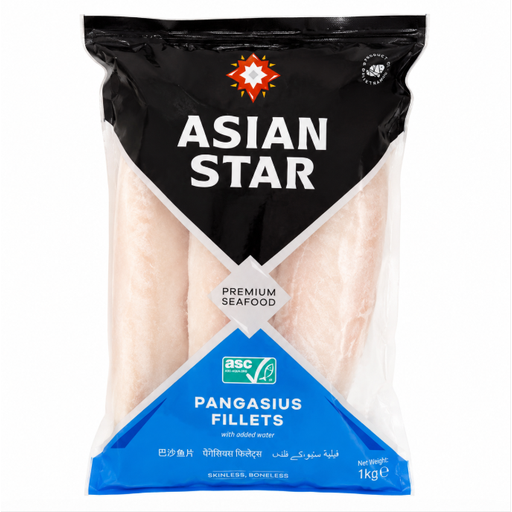
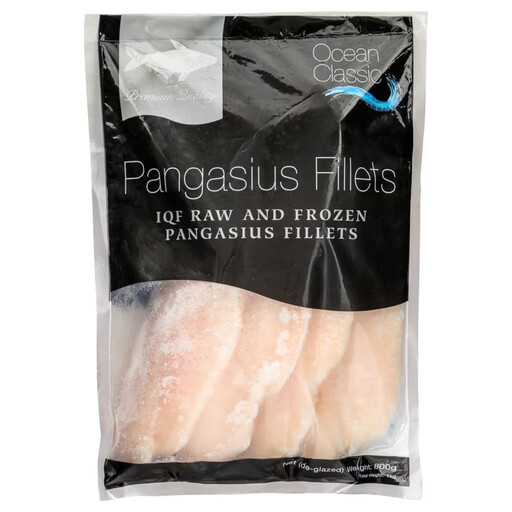
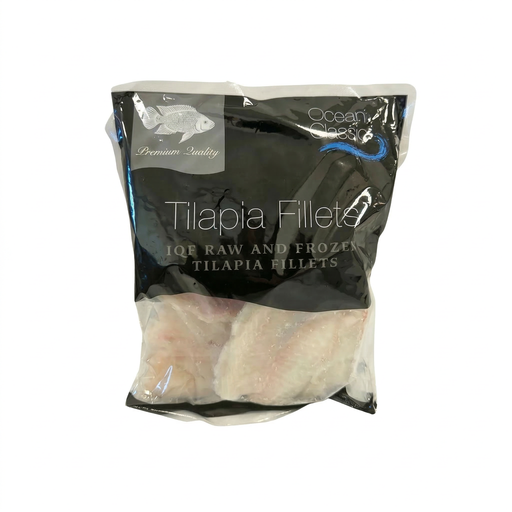
These Joybuy options are plain frozen pangasius and tilapia fillets for shoppers considering meals without a breadcrumb or batter coating. Compare each current pack's nutrition panel and preparation directions before deciding which suits your weekly meals.
 No image available
A plain-fillet option for a meal you plan to prepare yourself. The product name states 1kg and 800g net; check the current pack's fat per 100g and preparation directions when planning portions.
 No image available
Skinless, boneless pangasius fillets offer a plain-fish format for meals you prepare yourself. The name specifies IQF 170/200g and a 1kg pack with 800g net; check the pack's fat figure and cooking directions before comparing it with another fillet.
 No image available
These plain tilapia fillets offer another fish choice for planned freezer meals. The name specifies IQF fillets, a 1kg pack and 800g net; use the current pack label to compare fat per 100g and check how to prepare them.
Start by comparing plain white-fish fillets with the coated products you would otherwise buy. M&S lists 1.2g fat per 100g for its Wild Icelandic Cod Fillets, compared with 6.0g for its Breaded Cod and 10.0g for its Battered Cod. Check the current labels and account for ingredients you add when cooking.
No. An omega-3 statement does not replace the total-fat figure: Tesco lists 12.7g fat per 100g oven-baked for Young's Chip Shop Omega 3 Fish Fillets and 9.4g per 100g as sold for Birds Eye Omega 3 Fish Fingers. Because those cooking bases differ, do not treat the figures as a precise like-for-like comparison.
No. NHS general guidance calls for at least two portions of fish a week, including one portion of oily fish. Plan that oily-fish portion separately if you are following the guidance and buying plain white fish for other meals.
Read the current pack's allergen declaration, nutrition basis, storage instructions and cooking directions. Tesco identifies fish and wheat in the named Birds Eye Omega 3 Fish Fingers, while Asda identifies fish, mustard and wheat in its listing for Young's Chip Shop Fish; ingredients depend on the particular product.